![[2026 Luxor Photography Guide] Capture Timeless Temples (Architecture & Light)](https://boddatours.me/images/hq/westbank-hq.jpg)
Luxor photography guide: Capturing ancient stones under the Nile sun
Ever felt the weight of a pharaoh’s gaze while your camera clicks? That moment is pure magic in Luxor. The city is a living museum, each column whispering stories from the 18th Dynasty to the Coptic era. I still remember the first sunrise I shot at Karnak – the light spilling over the hypostyle hall like gold poured on stone. It made me realize that photography here is not just about pictures; it’s about feeling history.
Luxor sits on the east bank of the Nile, the ancient capital of Thebes. For over three thousand years it was the heart of Egyptian power. The temples, tombs, and streets are layered with Pharaonic, Greco‑Roman, and Islamic imprints. When you walk the Avenue of Sphinxes, you walk through time itself.
Is Luxor worth visiting for photography? Absolutely. The architecture is unrivaled, the light changes dramatically throughout the day, and the crowds are manageable if you plan wisely. You’ll leave with images that tell a story older than any modern city.
Best time to visit Luxor for perfect light
Winter (late October to February) offers soft, cool light and comfortable temperatures – ideal for long shooting sessions. Summer can be scorching, but early mornings and late afternoons still provide dramatic shadows. The “golden hour” in Luxor lasts longer than in many places because the sun hangs low over the desert horizon.
For the most vibrant colors at the Valley of the Kings, aim for early November or early March. The sky is clear, and the desert air is crisp, making the turquoise Nile backdrop pop against the ochre stone.
How to get to Luxor and where to start shooting
Most travelers fly into Luxor International Airport (LXR). The flight from Cairo is about an hour, and the airport is just a short drive from the city center. If you prefer a scenic ride, the train from Cairo to Luxor takes around nine hours, passing through fertile Nile fields and small villages.
Once in Luxor, the best base is the east‑bank hotel district. From there, you can walk to the Luxor Temple at night, or hop in a private car for a sunrise session at Karnak. I always start my day with a quick coffee at a local café, then head straight to the temple before the crowds arrive.
What to wear and respect the sites
Dress modestly – lightweight cotton shirts, long trousers or skirts, and a hat for sun protection. Comfortable shoes are a must; you’ll be walking on sand, stone steps, and uneven ground. A scarf can double as a modest cover for women and a handy shade for your camera.
Remember that many temples are still active religious sites. Speak softly, avoid flash when inside sacred chambers, and always follow the guide’s instructions. Respectful attire not only honors the culture but also keeps you welcome for longer shooting periods.
Luxor photography guide: Light and shadow at Karnak
Karnak is the biggest religious complex on Earth. Built over 2,000 years, it blends the reigns of Hatshepsut, Thutmose III, and Ramses II. The main attraction for photographers is the Great Hypostyle Hall – 134 massive columns, each carved with hieroglyphs and lotus capitals.
Arrive before sunrise. The early light filters through the towering columns, creating a honey‑comb of shadows. Use a wide‑angle lens to capture the sheer scale, and a polarizing filter to reduce glare on the stone. I love framing a single column against the sunrise, letting the warm glow outline its silhouette.
Mid‑day can be harsh, but it’s perfect for high‑contrast shots of the obelisks against a bright blue sky. If you have a drone (and permission), an aerial view of the entire complex shows the precise grid layout that ancient architects designed to align with celestial events.
Valley of the Kings tour: Photographing royal tombs
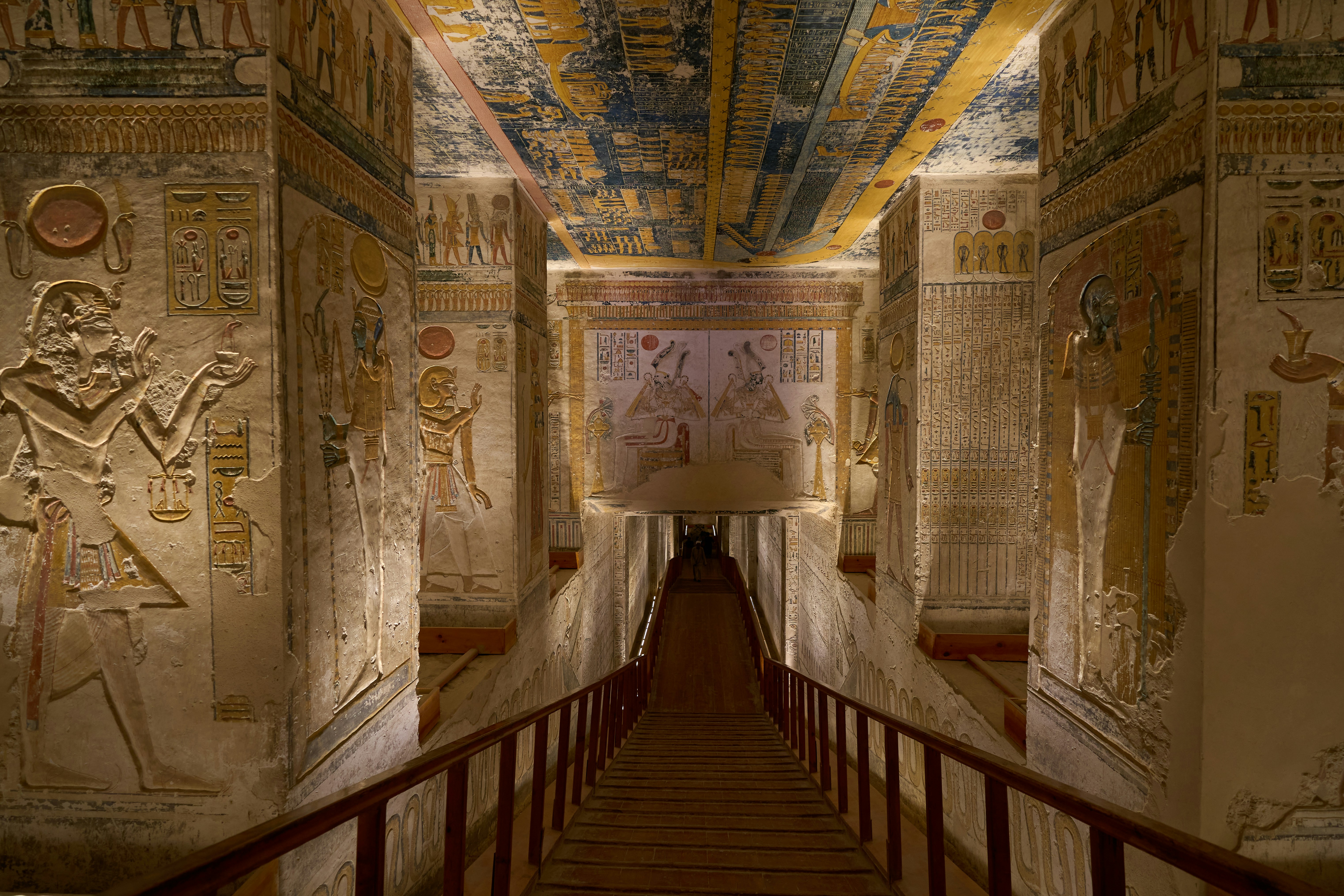
The Valley of the Kings on the west bank is where the New Kingdom pharaohs slipped into the afterlife. Over 60 tombs are open to visitors, each decorated with vivid wall paintings that have survived millennia.
When you step inside a tomb, the light is dim, and the walls glow with ancient pigments. Use a fast lens (f/1.8 or wider) and a high ISO setting to capture the colors without flash. A tripod is essential for longer exposures, especially in the deeper chambers.
My favorite spot is the doorway of Tutankhamun’s tomb. The doorway’s painted reliefs are still bright, and the angle of the entrance lets the morning sun illuminate the scene like a spotlight. Take a few shots from outside, then step in for close‑ups of the hieroglyphic scenes – the “Book of the Dead” verses are incredibly detailed.
Don’t rush. Spend at least 30 minutes in each tomb you visit. The longer you stay, the more you notice subtle color shifts as the natural light changes.
Photography at the Temple of Hatshepsut (Deir el‑Bahari)
Hatshepsut’s mortuary temple is carved into a limestone cliff, blending architecture with nature. The terraces rise like steps of a giant pyramid, each level framed by colonnades.
Morning light washes the terraces in a soft pink hue. Position yourself on the middle terrace to capture the symmetry of the colonnades against the cliff backdrop. A telephoto lens can isolate the statues of the queen, while a wide lens shows the whole structure hugging the cliff.
In the late afternoon, the sun casts long shadows that emphasize the reliefs on the walls. The contrast between the bright limestone and the dark shadows creates a dramatic monochrome effect – perfect for black‑and‑white photography.
Islamic architecture in Luxor: The Mosque of al‑Jamaa and Coptic churches
Luxor isn’t only Pharaonic. The city’s Islamic quarter offers beautiful minarets, arches, and courtyards. The Mosque of al‑Jamaa, built in the 14th century, features intricate stonework that reflects Ottoman influence.
Photograph the mosque at sunset when the minarets silhouette against the orange sky. Inside, the patterned tiles create geometric patterns that look stunning when shot from a low angle.
Just a short walk away, the Coptic Holy Virgin Mary Church showcases early Christian frescoes. The muted colors and soft lighting inside give a contemplative mood, ideal for portrait‑style shots of locals praying.
Capturing everyday life: Nile felucca rides and market scenes
Beyond monuments, Luxor’s streets and riverbanks offer vibrant human stories. A sunrise felucca ride on the Nile provides calm water reflections of the temples across the river. Use a slow shutter to smooth the water while keeping the silhouettes of the temples sharp.
The Luxor market (Souq) is a riot of colors – spices, textiles, and copperware. Approach vendors with a smile, ask permission, and then capture the exchange. The play of light through the market’s awnings creates beautiful patterns on the wares.
When photographing people, always ask politely. Most locals are happy to be part of your story, especially if you show genuine interest in their craft.
Technical tips for shooting stone architecture
Lens choice: A 24‑70 mm zoom covers most interior and exterior shots. Bring a 14‑24 mm for the massive halls of Karnak and a 70‑200 mm for distant details on the west bank.
Filters: A circular polarizer reduces glare on polished stone and deepens blue skies. A neutral density filter helps you use slower shutter speeds for silky water effects on the Nile.
Exposure: Stone can be deceptive – bright highlights and deep shadows. Use spot metering on the brightest part of the wall, then pull back exposure to retain detail in the shadows.
Post‑processing: Keep colors true to the ancient pigments. Slightly boost contrast to bring out the reliefs, and use selective sharpening on hieroglyphic lines.
Why choose Bodda Tours
When you travel with Bodda Tours, you get more than a guide – you get a friend who knows every hidden doorway and the best light. Here’s why many travelers trust us:
- No shared buses, no cramped seats – 100% private, comfortable vehicles with A/C.
- Korean‑speaking local guides mean zero language barrier for Korean‑speaking guests.
- No scams, no surprises – all tours are verified, transparent, and free of hidden fees.
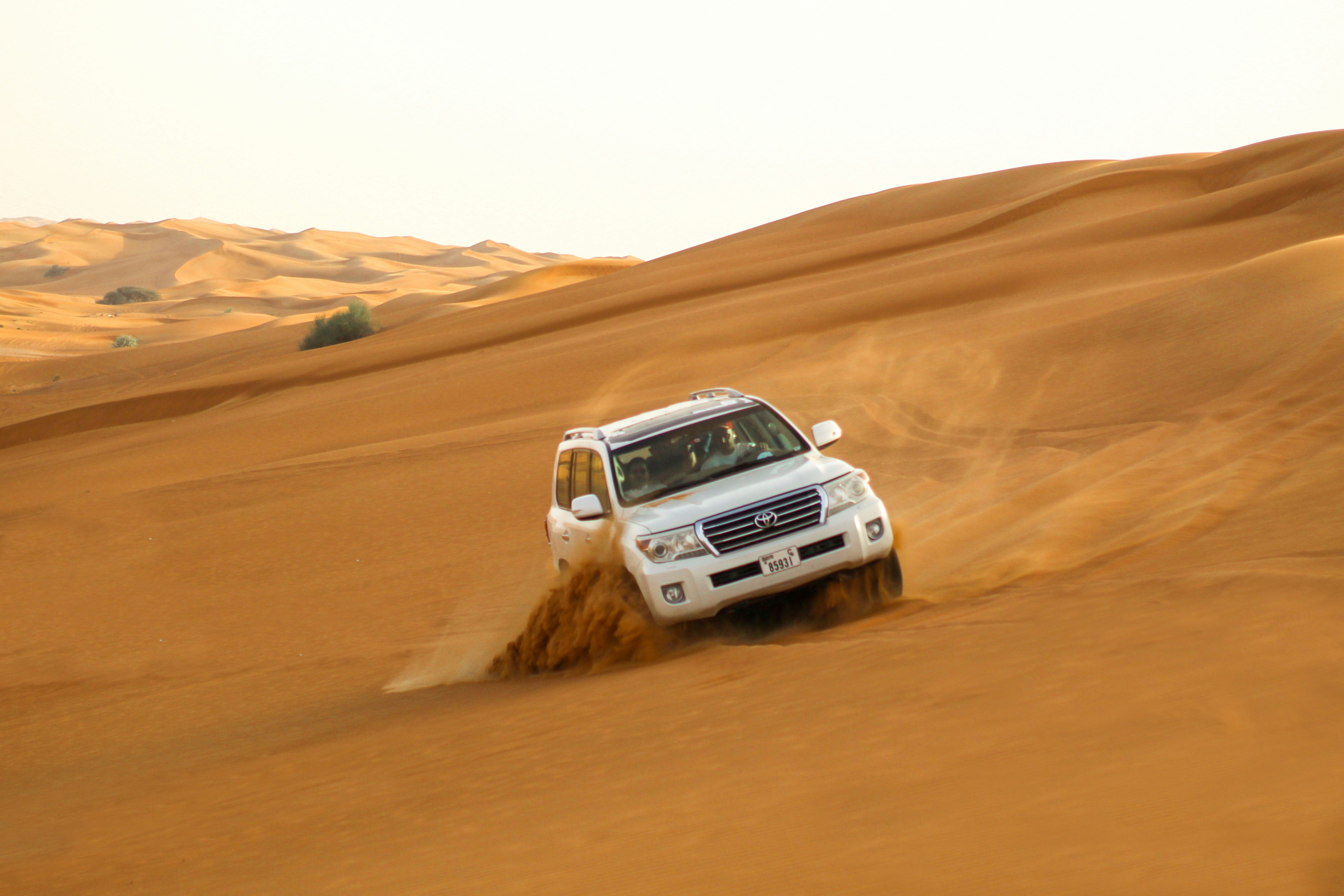
- No tuktuk fake safaris in Siwa – we only use real 4×4 jeeps with professional drivers.
- Direct booking, direct service – we are the locals running the tours, not a middleman.
- No commission fees or agent markups – the price you see is the price you pay.
- Real traveler reviews available on request – ask us for recent guest stories.
- Custom itineraries – we can pause for extra photo time at any site, arrange local meals, or add a visit to a Nubian village.
- If something goes wrong, we make it right – compensation guarantee.
Featured Bodda Tours for Luxor photography lovers
Bodda Tours offers a private Luxor & Aswan tour that includes sunrise at Karnak, a private Valley of the Kings visit, and a felucca sunset on the Nile. The itinerary can be tweaked for extra photography stops at the Temple of Hatshepsut, the Islamic quarter, or even a day trip to the nearby Dendera Temple.
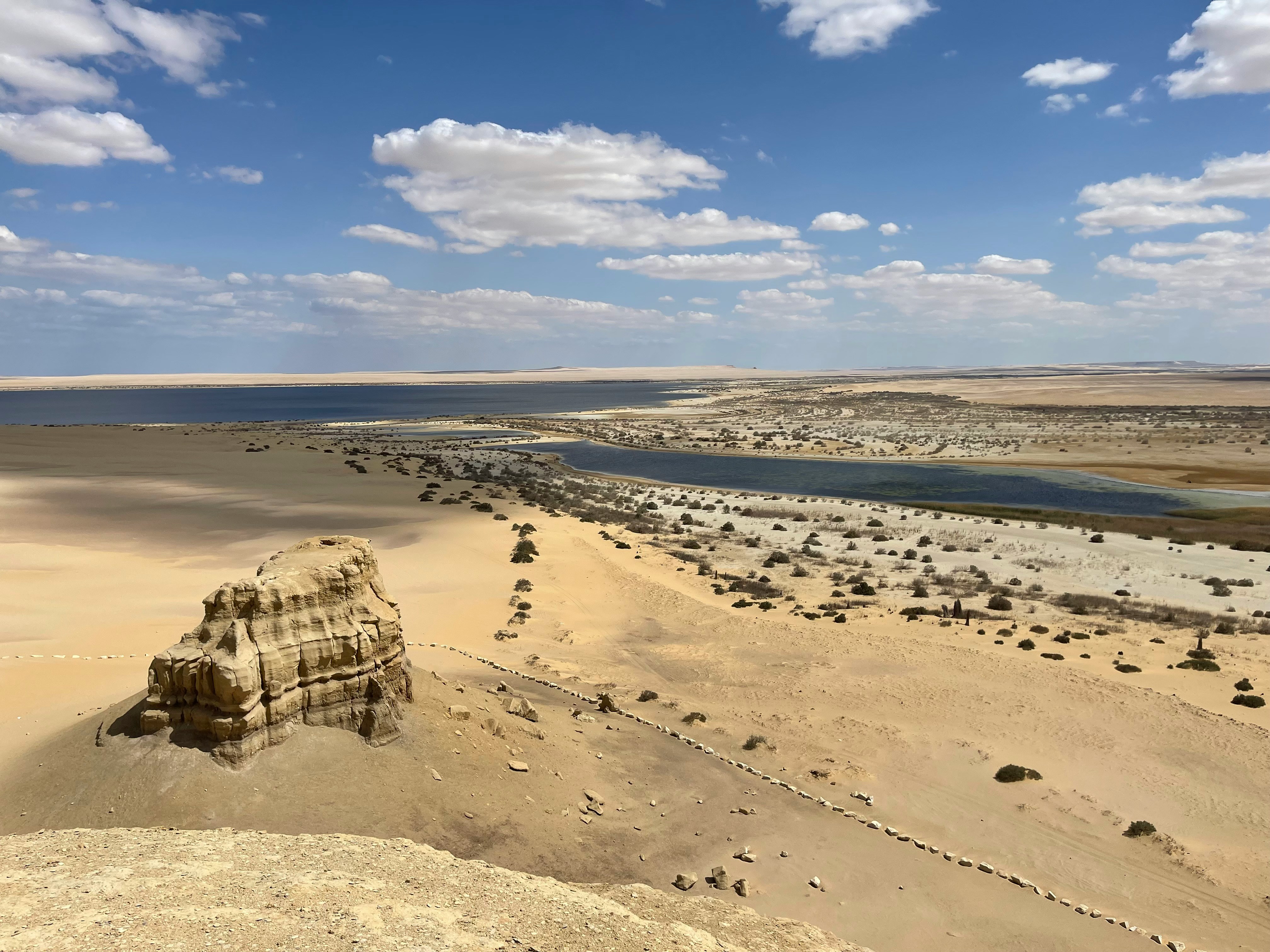
Our private Egypt desert tours also let you combine Luxor with a desert safari in the Black Desert or White Desert, giving you surreal sand‑scapes to contrast with the stone monuments.
Ready to explore Luxor? Contact Bodda Tours today
Whether you dream of capturing the sunrise over Karnak, the quiet corridors of a royal tomb, or the bustling market life along the Nile, Bodda Tours is here to make it happen. Reach out anytime between 07:00‑22:00 daily.
- WhatsApp: wa.me/201040541153
- KakaoTalk: open.kakao.com/o/smU92Hfi
- Email: info@boddatours.me
- Website: boddatours.me
Sources & References
- Egyptian Ministry of Tourism, “Luxor Archaeological Sites” (2025)
- UNESCO World Heritage Centre, “Ancient Thebes with its Necropolis” (2024)
![[2026 Egypt Tours] Siwa Oasis Honest Review (Desert Safari & History)](https://boddatours.me/images/hq/siwa-salt-lake-hq.jpg)
![[2026 Egypt Tours] Valley of the Kings (Luxor's Royal Necropolis Deep Dive)](https://boddatours.me/images/hq/luxor-hq.jpg)