![[2026 Egypt Travel Guide] Farafra Oasis Traditional Crafts: Where Desert Hands Weave Ancient Stories (White Desert Magic & Bedouin Heritage)](https://boddatours.me/images/fallback-post.png)
The Desert Remembers Every Hand That Touched It
Sand does not forget. I learned this sitting cross-legged on a woven palm mat in my grandmother's courtyard in Farafra, watching her fingers move through wool the color of desert sunset. She wasn't teaching me. She was remembering aloud. Each twist of the spindle carried a story — her mother's hands, her grandmother's hands, the caravan routes that brought indigo from the south and henna from the north. This is what Egypt desert tours miss when they rush through. They see the White Desert's chalk sculptures at sunset. They photograph the hot springs. But they rarely sit long enough to hear the desert speak through the hands that have shaped it for a thousand years.
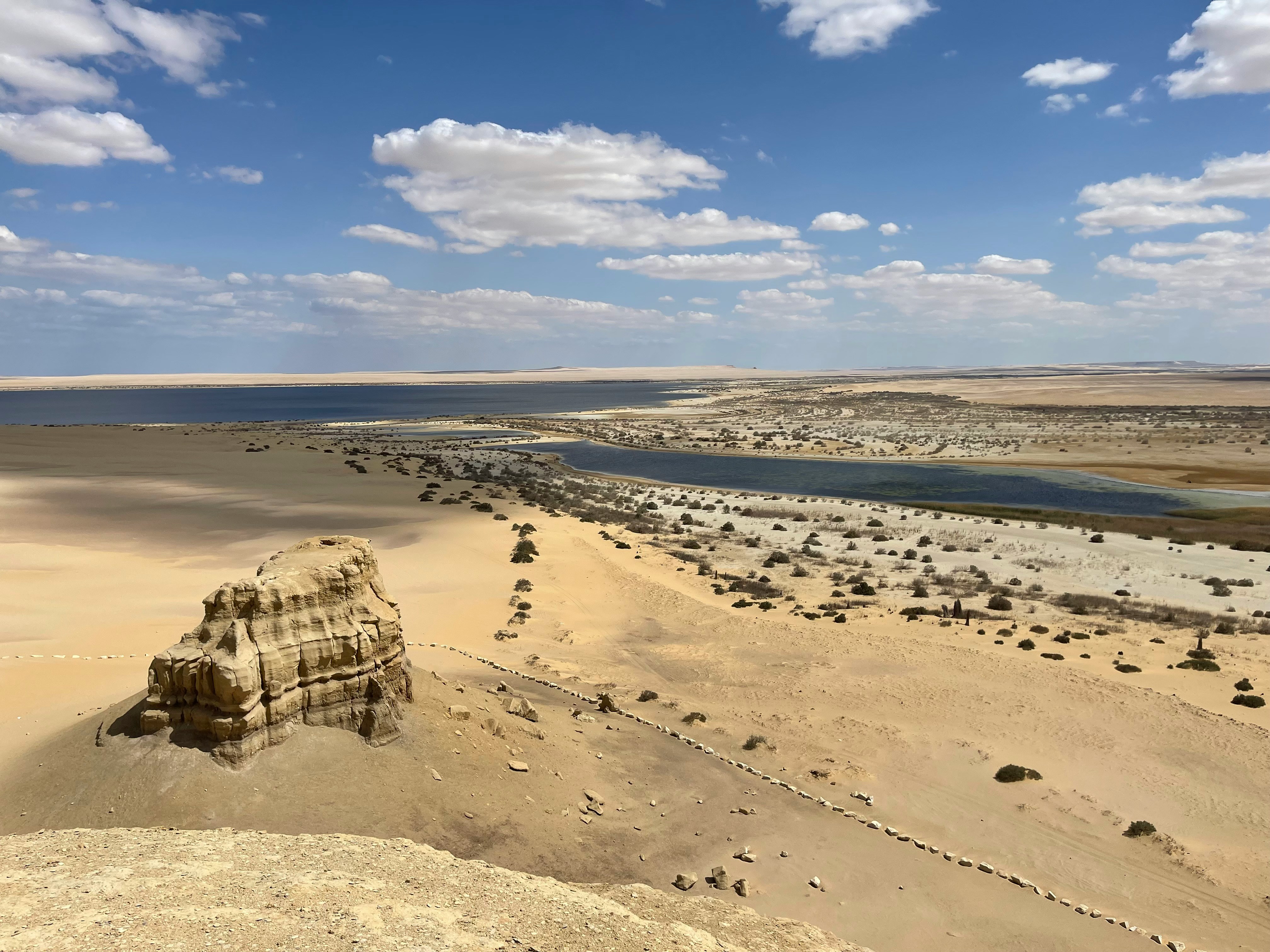
Farafra Oasis sits in the Western Desert like a secret the Sahara decided to keep. Three hundred kilometers southwest of Cairo, it's the smallest of the major oases — barely twenty thousand souls scattered across palm groves and mud-brick villages. But size has never measured depth here. The oldest continuously inhabited settlement in the Western Desert, Farafra has watched Pharaonic caravans, Roman garrisons, Coptic monks, and Islamic scholars pass through its gates. Each left threads. The Bedouin women gathered those threads and wove them into something that still lives in every basket, every textile, every silver amulet forged in the shadow of the White Desert.
I'm Bodda. Born in Cairo, raised on stories of the Western Desert from my father who drove supply trucks along the Desert Road before it was paved. I run Bodda Tours now — private journeys into the places where Egypt's soul still breathes. Farafra Oasis tour experiences with us aren't about checking boxes. They're about sitting in that courtyard. Feeling the wool. Hearing the stories the sand remembers.
Where the White Desert Meets Human Hands
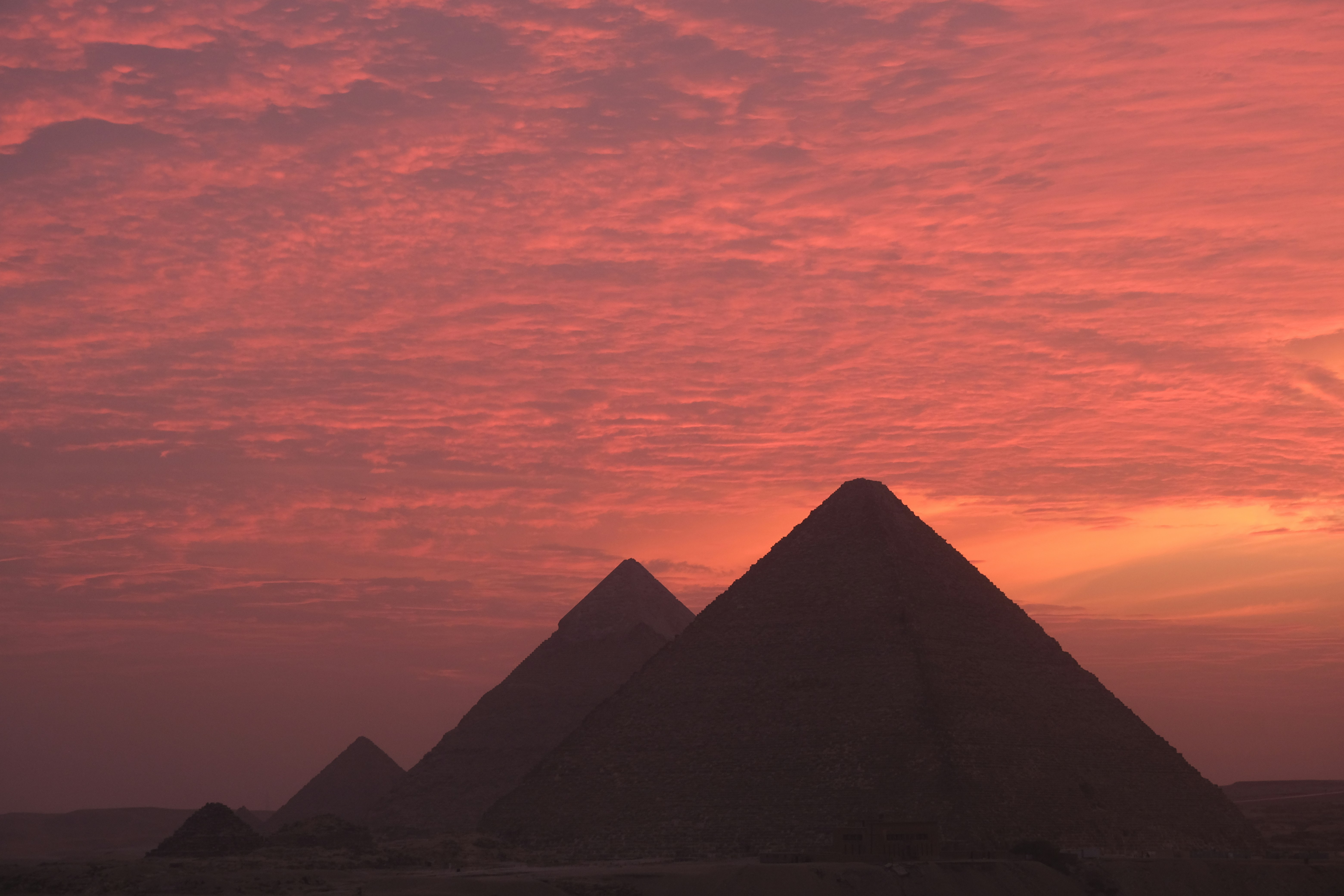
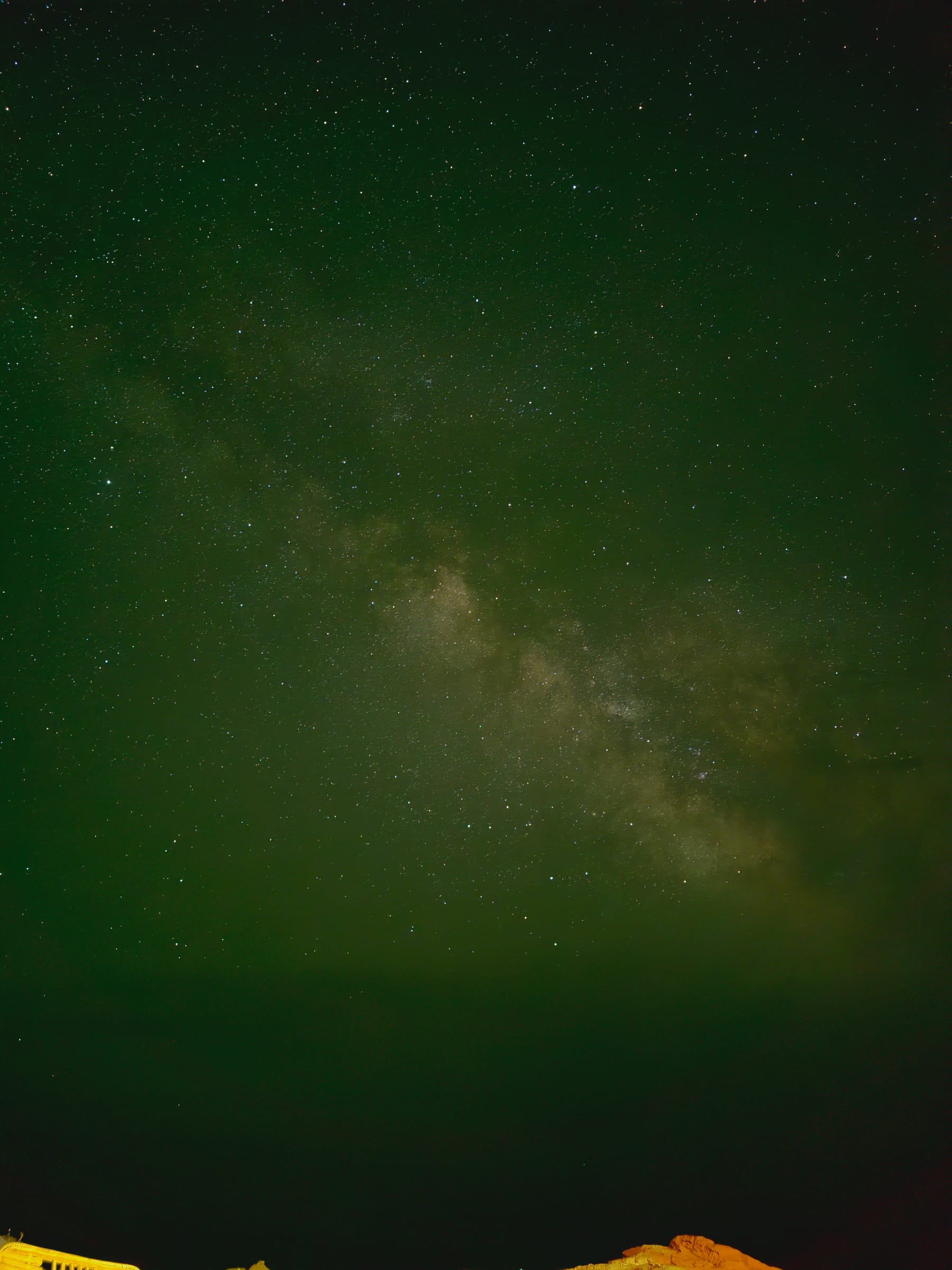
The White Desert — Sahara el-Beida — rises like a dream forty-five kilometers north of Farafra town. Chalk formations sculpted by wind over millions of years: mushrooms, sphinxes, tents, a chicken that locals swear looks like a pharaoh's crown. At dawn, the rock glows rose-gold. At noon, it blinds you white. At night, under stars so thick they cast shadows, the formations become silent witnesses to something older than tourism.
Bedouin families have camped among these rocks for generations. The Rwaisat and Matruh tribes know every wadi, every hidden spring, every formation that shelters from the khamsin wind. Their crafts emerged from necessity — water jars that keep cool in fifty-degree heat, sandals woven from palm fiber that grip shifting sand, tents stitched from goat hair that breathe in summer and hold warmth in winter. But necessity birthed art. The geometric patterns on a water jar aren't decoration. They're maps. The triangles represent dunes. The zigzags are wadi paths. The dots are wells. A woman reading her mother's pottery reads the desert itself.
UNESCO recognized the White Desert as a protected area in 2002, but the Bedouin knew its value long before any designation. Egypt desert safari tour operators bring visitors for the scenery. We bring you for the people who read that scenery like scripture.
The Palm That Feeds a Thousand Crafts
Date palms define Farafra. Not just as food — though the dates here, small and honey-sweet, sustained caravans for millennia. The palm is architecture, tool, canvas, and livelihood. Every part serves. Trunks become roof beams for mud-brick homes. Fronds become baskets, mats, fans, fences, prayer mats. Fibers become rope, sandals, brushes. Even the pits, ground fine, become coffee substitute in lean years.
Walk through Qasr Farafra — the old fortified village — and you'll see palm-frond architecture still standing. The mosque's roof rests on palm trunks hauled from the oasis groves centuries ago. The narrow lanes, roofed with palm mats, create a microclimate cooler than the open desert. This is vernacular engineering perfected over generations. No architect drew these plans. The desert drew them through trial, error, and survival.
In the women's cooperative near the spring of Ain Bishay, I've watched Fatima split palm fronds with a knife her grandfather forged. She separates the fibers — long, pale, surprisingly strong — and begins weaving a makhba, the traditional storage basket. Her fingers know the tension. Too tight and the fibers snap. Too loose and the basket won't hold grain through winter. She doesn't measure. She feels. The pattern emerges: diamonds for protection, chevrons for water flow, a central motif that represents the spring itself. Each basket takes three days. It will last thirty years.
This is what special Egypt tours should reveal — not just the object, but the knowledge embedded in it. The basket isn't a craft product. It's a vessel of survival wisdom.
Wool, Indigo, and the Language of Color
Sheep and goats graze the desert margins where acacia trees cling to life. Their wool, coarse and lanolin-rich, spins into yarn that repels water and breathes in heat. Bedouin women spin on drop spindles — simple wooden shafts with a whorl — a technology unchanged since Pharaonic times. Tomb paintings at Beni Hasan show women spinning exactly this way, four thousand years ago. The spindle whorls found in Farafra's Roman-era graves match the ones Fatima uses today.
Dyes tell trade stories. Indigo came from the south, carried by caravans from Nubia and beyond. Madder root for reds grew in the oasis gardens. Pomegranate rinds yielded yellows. Henna — Lawsonia inermis — cultivated right here, gives the deep orange-brown that stains palms at weddings and protects against the evil eye. Each color carries meaning. Blue wards off spirits. Red calls vitality. Yellow honors the sun. The patterns on a sederi (woven blanket) aren't random. They're a visual language: protection for a newborn, fertility for a bride, safe passage for a traveler.
I once asked Fatima's daughter, Aisha, why she still spins when factory blankets cost less and last longer. She laughed — a sound like dry palm fronds rustling. "Factory blankets don't know my grandmother's hands," she said. "They don't carry the prayer she whispered into every thread. They don't warm you the same way." She wasn't being poetic. She was stating fact.
Silver That Sings in the Wind
Farafra's silversmiths work in a narrow alley behind the old market. The smell hits you first — charcoal, acid, the metallic tang of molten silver. Hammers ring against anvils in rhythms that haven't changed since the Mamluk era. The jewelry here is heavy, bold, unmistakably desert. Large triangular pendants (the hijab) hung with coins that chime when a woman walks. Cuff bracelets engraved with protective symbols — the eye, the hand, the crescent. Rings set with carnelian from the Eastern Desert, turquoise from Sinai.
Hassan, the master silversmith, showed me a necklace his great-grandfather made. Ottoman coins, Maria Theresa thalers, Egyptian piastres — each coin a timestamp. "We don't melt the old coins," he told me. "They carry baraka. Blessing. The silver remembers every hand that held it." He tapped a pendant. "This thaler crossed the desert in a pilgrim's pouch. This piastre paid for dates in 1920. The necklace isn't jewelry. It's a ledger of trust."
The designs incorporate motifs from every culture that passed through: Pharaonic lotus flowers, Coptic crosses, Islamic geometric interlace, Bedouin tribal marks. A single cuff bracelet might hold all four. This is Farafra's genius — not preserving cultures in isolation, but letting them speak through each other in the language of silver.
Pottery From the Desert's Own Clay
The clay pits outside Farafra yield a fine, reddish silt deposited by ancient Nile floods that once reached this far west. Potters here still use the kick wheel — a heavy stone disk spun by foot — because electric wheels can't match the control needed for desert clay. The clay has memory. It remembers the pressure of each finger. It remembers the rhythm of the wheel. Fire it wrong and it cracks. Fire it right and it rings like a bell when struck.
Traditional forms: the zeer (water jar) with its narrow neck and porous walls that cool water through evaporation. The tabun (bread oven) shaped like a beehive, its interior scored with grooves that grip flatbread dough. The mabra (incense burner) with pierced patterns that cast star-shadows when lit. Each form solves a desert problem. Each solution became beauty.
Potter Mahmoud let me try the wheel. My first pot collapsed — a lopsided mound of mud. He smiled. "The clay teaches patience," he said. "It doesn't forgive ego. You listen to it, or it breaks." His grandfather taught him. His grandson watches now, small hands mimicking the movements. The knowledge passes not through instruction but through presence. The desert demands presence.
Bread Baked in Sand and Time
Not a craft in the gallery sense, but perhaps the deepest one. Libba bread — unleavened discs baked directly in hot sand and embers. The technique predates ovens. You dig a shallow pit, build a fire, let it burn to coals, sweep the coals aside, press the dough into the hot sand, cover with coals and sand. Ten minutes later, you uncover bread that tastes of smoke, earth, and the specific acacia wood that fueled the fire.
Every family has their libba recipe. The ratio of wheat to barley. The pinch of salt from the Siwa salt lakes. The herb blend — maybe wild thyme, maybe desert sage. The bread carries the baker's signature. At weddings, the bride's mother bakes libba for the groom's family. The first bite seals the alliance. It's not symbolic. It's literal. You eat the earth of your new family. You become part of each other's desert.
I've eaten libba in a Bedouin camp near Crystal Mountain, where quartz crystals glitter in the ridge like scattered stars. The bread tasted of that ridge. Of the wind that sang through the crystals. Of the hands that kneaded dough while watching the White Desert turn purple at dusk. No bakery in Cairo can replicate that. The flavor is place.
The Caravan Routes That Wove Cultures Together
Farafra sits on the Darb al-Arba'in — the Forty Days Road. For two thousand years, this caravan route connected the Nile Valley to Darfur and the Chad Basin. Slaves, gold, ivory, ostrich feathers, gum arabic moved north. Textiles, beads, weapons, salt moved south. Forty days by camel. Forty days of trusting the desert, the guides, the wells, the stars.
The caravans didn't just move goods. They moved techniques. Nubian basket patterns appear in Farafra weaving. Chadian leather tooling influences local sandal-making. Turkish metalwork from Ottoman garrisons merged with Berber enamel techniques. The oasis became a living laboratory of cultural synthesis. Nothing stayed pure. Everything became Farafra.
Roman forts at Ain Umm al-Dabadib and Qasr al-Ghueita guarded the route's western approaches. Their ruins still stand — mud-brick walls enclosing barracks, granaries, temples. Coptic monks later occupied some forts, carving churches into the walls. Their crosses sit beside Roman inscriptions. Islamic-era watchtowers crown nearby hills. The layers don't erase each other. They accumulate.
This layered history is why Egypt history tours that include Farafra feel different from standard itineraries. You're not visiting sites. You're reading a palimpsest where every era wrote over the last without erasing it.
Women's Hands, Women's Knowledge
In Farafra, craft is women's domain. Men herd, farm, trade, build. Women spin, weave, dye, stitch, shape clay, bake bread, raise children, hold the culture's memory. This isn't oppression — it's a division of labor that made survival possible in one of Earth's harshest environments. The women's knowledge is the oasis's immune system. When drought came, women knew which wild plants were edible. When disease came, women knew which herbs healed. When raiders came, women hid the silver, the seeds, the stories.
The women's cooperative at Ain Bishay, founded in the 1990s with NGO support, gave this knowledge a market. But the market didn't create the knowledge. The cooperative sells baskets, textiles, pottery to visitors and exports to Cairo galleries. The income matters — it funds daughters' education, medical care, home improvements. But the women would weave anyway. They wove before buyers came. They'll weave after buyers leave. The craft serves the community first. The market is secondary.
I've seen tourists bargain over a basket price. The women smile and hold firm. Not from greed. From knowing the basket's worth isn't in currency. It's in the three days of spinning, the evening conversations while weaving, the prayer in each stitch. You don't bargain for prayer.
Legends Carved in Chalk and Sand
The White Desert formations have names and stories. El-Mushroom — where a jinni fell in love with a Bedouin girl and turned to stone when dawn caught him. El-Sphinx — guardian of the ancient caravan route, its nose broken by a jealous rival spirit. Chicken Rock — a pharaoh's cursed crown, thrown down in rage. Crystal Mountain — where the desert's heart crystallized.
These aren't tourist tales invented for tips. They're teaching stories. The mushroom warns against loving what you can't stay with. The sphinx teaches vigilance. The chicken crown warns against pride. The crystal mountain reminds you that hardness can be beautiful. Bedouin elders tell these stories around campfires while children roast sweet potatoes in the embers. The landscape becomes a moral textbook written in geology.
Alexander the Great supposedly visited Siwa's Oracle of Amun, but some local traditions say his army passed through Farafra too. Roman legions certainly did — tiles stamped with the Legio III Cyrenaica mark have been found at Ain Umm al-Dabadib. The Prophet's companions may have rested here during the conquest of Egypt. Every stone holds a possible footprint. The desert doesn't distinguish between history and legend. Both are true in the telling.
Seasons That Shape the Craft
Winter (November-February) brings cool days, cold nights — perfect for weaving indoors by lamplight. Women gather in courtyards, spinning wool for spring blankets. Spring (March-April) brings the khamsin — hot, sand-laden winds from the south. Work moves to shaded rooms. Date pollination begins. Men climb palms. Women prepare fermentation jars for date vinegar. Summer (May-September) is brutal. Days exceed forty-five Celsius. Life moves to night. Pottery firing happens at dawn. Bread bakes before sunrise. Autumn (October) brings date harvest — the year's climax. Everyone works the palms. Craft pauses. The dates must not fall.
Each season's rhythm shapes the craft's rhythm. You can't separate the object from the calendar that birthed it. A basket woven in January carries winter's patience. A pot fired in June carries summer's urgency. This is why mass production fails here. Factory schedules don't honor the desert's calendar.
The Spring That Never Fails
Ain Bishay — "Spring of Bishay" — has flowed continuously for at least three thousand years. Roman engineers lined it with stone. Islamic rulers built the domed structure that shelters it today. The water emerges at a constant twenty-four degrees, sweet and mineral-rich. It irrigates the palm groves. It feeds the clay pits. It sustains the village.
Legends say the spring was a gift from a saint who struck the ground with his staff. Hydrologists say it's fossil water from the Nubian Sandstone Aquifer — rain that fell ten thousand years ago when the Sahara was green. Both explanations coexist. The water doesn't care. It flows.
Women still gather at Ain Bishay to wash wool, rinse dyed yarn, knead clay. The spring is the village's living room. Conversations here shape community decisions. Marriages are negotiated. Disputes resolved. Songs sung. The spring doesn't just water the oasis. It waters the culture.
When the Desert Teaches You to Listen
My first night camping in the White Desert, I couldn't sleep. The silence was loud. No traffic. No electricity hum. No phone notifications. Just wind over chalk, and stars so close I felt I could touch them. My Bedouin guide, Salem, sat beside the fire, tea glass in hand. "You're listening with your ears," he said. "Listen with your skin. The wind tells you tomorrow's weather. The sand tells you where water hides. The stars tell you where you are."
He was right. The desert speaks a sensory language. Craft is the translation. The basket's weave translates wind patterns. The silver's chime translates star paths. The bread's flavor translates acacia smoke. The pot's curve translates clay memory. Every object is a sentence in the desert's vocabulary.
This is what I want travelers to understand. Private Egypt tours that include Farafra aren't about seeing. They're about learning to listen. The crafts are teachers. The artisans are translators. The desert is the text.
Why Farafra Matters Now
Modern pressures threaten this continuity. Young people leave for Cairo, Alexandria, the Gulf. Factory goods replace handmade. Plastic jugs replace zeer pots. Synthetic blankets replace wool sederis. The cooperative struggles to find apprentices. The silversmith's grandson studies engineering in Cairo. The potter's daughter wants to be a doctor.
But something unexpected is happening. Some who leave return. They bring new eyes. They see their heritage as precious, not backward. They start Instagram accounts for the cooperative. They design contemporary jewelry using traditional motifs. They collaborate with Cairo designers who value provenance. The craft evolves. It always has. The Roman-era potter would recognize his great-grandson's wheel. He might not recognize the website selling his pots. But he'd recognize the hands.
Tourism, done right, supports this evolution. Not by turning culture into performance. By valuing it enough to pay fairly. By listening enough to learn. By staying long enough to understand. This is the Egypt desert tours philosophy I built Bodda Tours on.
What You'll Carry Home
Not just objects — though a Farafra basket will hold your vegetables in Cairo, a silver pendant will chime against your collar, a libba bread recipe will scent your kitchen with desert smoke. You'll carry a different way of seeing. You'll know that every handmade thing holds a life. That survival creates beauty. That the desert isn't empty — it's full of stories waiting for hands to shape them.
You'll understand why Fatima doesn't measure her weaving. Why Hassan doesn't melt old coins. Why Salem listens with his skin. You'll carry a piece of Farafra's patience. Its resilience. Its quiet certainty that the important things — water, fire, clay, wool, family, story — endure.
The White Desert's chalk formations will outlast us all. But the hands that read them, the voices that tell their stories, the crafts that translate their wisdom — those need witnesses. Not audiences. Witnesses. There's a difference.
Ready to Explore Egypt? Contact Bodda Tours Today
Whether you dream of Farafra's palm-frond baskets, the White Desert's chalk sculptures at dawn, or a private journey through Egypt's living desert heritage, Bodda Tours is here to make it happen. Reach out anytime between 07:00-22:00 daily.
- WhatsApp: wa.me/201040541153
- KakaoTalk: open.kakao.com/o/smU92Hfi
- Email: info@boddatours.me
- Website: boddatours.me
Sources & References
- Egyptian Ministry of Tourism and Antiquities — Western Desert Oases Heritage Documentation Project
- UNESCO World Heritage Centre — White Desert Protected Area Technical Evaluation
![[2026 Egypt Tours] Siwa Oasis Honest Review (Desert Safari & History)](https://boddatours.me/images/hq/siwa-salt-lake-hq.jpg)