![[2026 Egypt Travel Guide] Dahab: Where the Desert Meets the Red Sea (Diving Paradise & Bedouin Soul)](https://boddatours.me/images/fallback-post.png)
The Blue Hole: Sinai’s Underwater Cathedral and Diving’s Greatest Challenge
I still remember the first time I dove the Blue Hole with my cousin Ahmed, who runs a dive shop in Dahab. We slipped into the crystal water at 6 AM, the desert sun just kissing the mountains behind us. The hole isn’t just a dive site—it’s a vertical shaft plunging 130 meters into the abyss, a natural cathedral where sunlight fractures through the water like stained glass. The walls are covered in soft corals and sea fans, and if you look down, you can see the darkness swallowing the light. That’s when Ahmed taps my shoulder and points upward. The tunnel. The famous Arch. A 26-meter-wide passage that connects the Blue Hole to the open sea, just 56 meters deep. Divers call it the "Arch of the Blue Hole," a rite of passage for advanced divers. But it’s not for the faint-hearted. Depth, currents, and the psychological weight of 130 meters of water above you—this is where legends are made and sometimes, stories end. I’ve seen divers surface with tears in their eyes, either from joy or because they’ve just stared into the abyss. The Blue Hole doesn’t forgive mistakes, but it rewards courage with one of the most surreal experiences on Earth.
The Blue Hole is part of the Ras Abu Galum protected area, a UNESCO Biosphere Reserve since 2003. This isn’t just about the dive—it’s about the ecosystem. The Red Sea is home to over 1,200 species of fish and 250 species of coral. The Blue Hole itself hosts schools of barracuda, batfish, and the occasional reef shark patrolling the depths. Locals say the water here is so clear because it comes from ancient underground springs, filtered through Sinai’s limestone for centuries. Whether you’re here to dive or just snorkel the shallows, the Blue Hole will change how you see the sea.
I’ve taken guests to the Blue Hole more times than I can count. Some are seasoned divers; others are first-timers, wide-eyed and nervous. But one thing always stays the same—the moment they surface, their faces say it all. This place isn’t just a dive site. It’s a communion with nature’s raw power.
────────────────Dahab’s Bedouin Roots: The People Who Tamed the Sinai
Before Dahab became a backpacker’s paradise, it was a Bedouin fishing village called "Dahab"—meaning "gold" in Arabic, a nod to the golden sands that stretch from the sea to the mountains. The Bedouin of Sinai are one of Egypt’s most resilient peoples, tracing their lineage back to ancient tribes who roamed these lands for millennia. They’re not just guides or shopkeepers—they’re the keepers of Sinai’s soul.
I remember sitting with Sheikh Hamdan, an elder from the Sawalha tribe, under a palm tree near the Eel Garden dive site. He was telling me about the old days, when the only way to get to Dahab was by camel or donkey from St. Catherine’s Monastery. "We lived off the sea and the land," he said, sipping bitter Bedouin coffee from a small brass cup. "The fish fed us, the date palms gave us shade, and the mountains hid our secrets." The Bedouin have a saying: "A guest is a gift from God." And that’s exactly how they treat travelers. Whether you’re diving the Blue Hole or trekking the White Desert, you’ll be welcomed with tea, dates, and stories that feel older than the pyramids.
The Bedouin of Dahab are divided into several tribes—the Sawalha, the Gebeliya, the Howeitat—but they all share the same code: hospitality, honor, and respect for the land. They believe in a world where humans and nature coexist, a philosophy reflected in their sustainable fishing practices and traditional medicine. Many still live in black goat-hair tents, though some have built simple mud-brick houses near the coast. Their dress is iconic—men wear the agal, a black rope that holds their white headscarf in place, while women often wear colorful embroidered dresses and silver jewelry passed down through generations.
If you��re lucky, you might be invited to a Bedouin wedding. The celebrations last for days, with music from the rababa (a single-stringed instrument), dancing under the stars, and feasts of roasted lamb and spiced rice. It’s a reminder that Sinai isn’t just about adventure—it’s about the people who make the land come alive.
────────────────The Three Sisters: Dahab’s Sacred Mountains and the Story of Moses
Drive 15 minutes south of Dahab, and the landscape shifts from turquoise sea to rugged mountains. These are the Jabal Musa, or Moses’ Mountain, where tradition says the Prophet Moses received the Ten Commandments from God. But the Three Sisters? That’s a different story. Locals call the three peaks—Jabal al-Tur, Jabal Safsaqa, and Jabal al-Madhbah—the "Three Sisters," and they’re said to be the guardians of Dahab’s secrets.
Jabal al-Tur is the tallest, rising 2,285 meters above sea level. From its summit, you can see the entire Gulf of Aqaba, the Red Sea stretching into the horizon, and on a clear day, even Jordan’s mountains across the water. But the real magic happens at sunrise. I’ve hiked up here with guests at 4 AM, the cold air biting our cheeks as we waited for the first light to touch the peaks. When the sun rose, it was like the desert itself was breathing. The Bedouin say that Moses stood on Jabal al-Tur when he struck the rock to bring forth water. Whether you believe the story or not, standing on that peak at dawn, you understand why this place feels sacred.
Jabal Safsaqa is where you’ll find the Moses’ Spring, a small pool of water that never dries up, even in the hottest months. Locals claim it’s the same spring that quenched the thirst of the Israelites during their exodus. The water is icy cold, but drinking from it is a rite of passage. Jabal al-Madhbah, the third sister, is where you’ll find ancient rock inscriptions—carvings of camels, ibex, and human figures, some dating back to the Nabateans. These mountains aren’t just landmarks; they’re a timeline of human history.
Hiking the Three Sisters isn’t for the casual traveler. It’s a full-day trek, with steep climbs and no shade. But if you’re willing to put in the effort, the reward is a view that will stay with you forever. And if you’re lucky, a Bedouin guide might share a story about the mountain spirits who protect the land. Just don’t forget to leave an offering—a handful of dates or a sip of water—before you descend. Tradition demands it.
────────────────From Fishermen to Divers: The Evolution of Dahab’s Soul
Dahab in the 1970s was a sleepy fishing village with a handful of houses and a single mosque. The Bedouin lived off the sea, selling their catch in the local market. Then, in the 1980s, something changed. Divers from Europe and Israel started trickling in, drawn by stories of the Blue Hole’s underwater wonders. By the 1990s, Dahab was on the map as one of the world’s top dive destinations. Today, it’s a mix of everything—backpacker hostels, luxury resorts, dive centers, and Bedouin camps where travelers can sleep under the stars.
But Dahab’s heart is still in the water and the sand. The locals who once fished for a living now guide divers through the Blue Hole. The women who wove baskets by hand now sell them to tourists in the market. The old men who told stories by the fire now share their knowledge with curious travelers. Dahab doesn’t forget its past—it carries it forward.
I remember the first time I saw a group of Bedouin kids playing soccer on the beach, their laughter mixing with the sound of waves. They were the same age as my nephew back in Cairo, but their lives were so different. They spoke three languages—Arabic, Bedouin dialect, and English—and they knew the sea better than anyone. One of them, a boy named Karim, would later become a dive guide. He’d take guests to the Canyon, a narrow underwater fissure where the current can sweep you away if you’re not careful. His hands were rough from years of diving, but his eyes sparkled with wonder every time he saw a turtle gliding through the water. "This is my home," he’d say. "And the sea is my teacher."
Dahab’s transformation wasn’t without challenges. In the early 2000s, the town faced pressure from developers eager to build high-rise hotels. But the locals resisted. They knew that Dahab’s magic wasn’t in concrete and glass—it was in the sand, the sea, and the mountains. Today, Dahab is a model for sustainable tourism in Egypt. The dive centers follow strict environmental guidelines. The Bedouin camps use solar power. The markets sell handmade goods, not mass-produced souvenirs. It’s not perfect, but it’s a start.
────────────────The Canyon and the Lighthouse: Dahab’s Hidden Gems
Not every dive site in Dahab is as famous as the Blue Hole. Some are quieter, but just as magical. The Canyon, for example, is a narrow underwater passage where the current funnels you through a labyrinth of coral and rock. It’s not for beginners—if you’re not careful, the current can push you deeper than planned. But if you time it right, you’ll emerge into a world of tunnels and caves, where light filters through the water like something from a dream. I’ve seen divers surface with wide grins, their masks fogged with excitement. "I felt like I was flying," one guest told me. And she wasn’t wrong. The Canyon feels like swimming through the veins of the earth.
Then there’s the Lighthouse, a small red-and-white beacon just a short swim from the shore. It’s one of the few man-made structures in Dahab’s underwater world, and it’s covered in corals and anemones. The best part? The shallow reefs around the lighthouse are perfect for snorkeling. You don’t need a tank to see the magic here—just a mask and some fins. The water is so clear you can spot a moray eel peeking out from a crevice or a school of butterflyfish darting between the rocks. It’s the kind of place where you can spend hours without realizing time has passed.
And let’s not forget the Eel Garden, a shallow reef teeming with garden eels swaying in the current like underwater grass. The eels are shy, but if you’re patient, they’ll come out to greet you. It’s a surreal experience—imagine standing in a garden where the plants are alive, and the air is water.
These places aren’t just dive sites. They’re Dahab’s secrets, shared only with those who take the time to look.
────────────────The White Desert and the Road Less Traveled: Dahab’s Desert Safaris
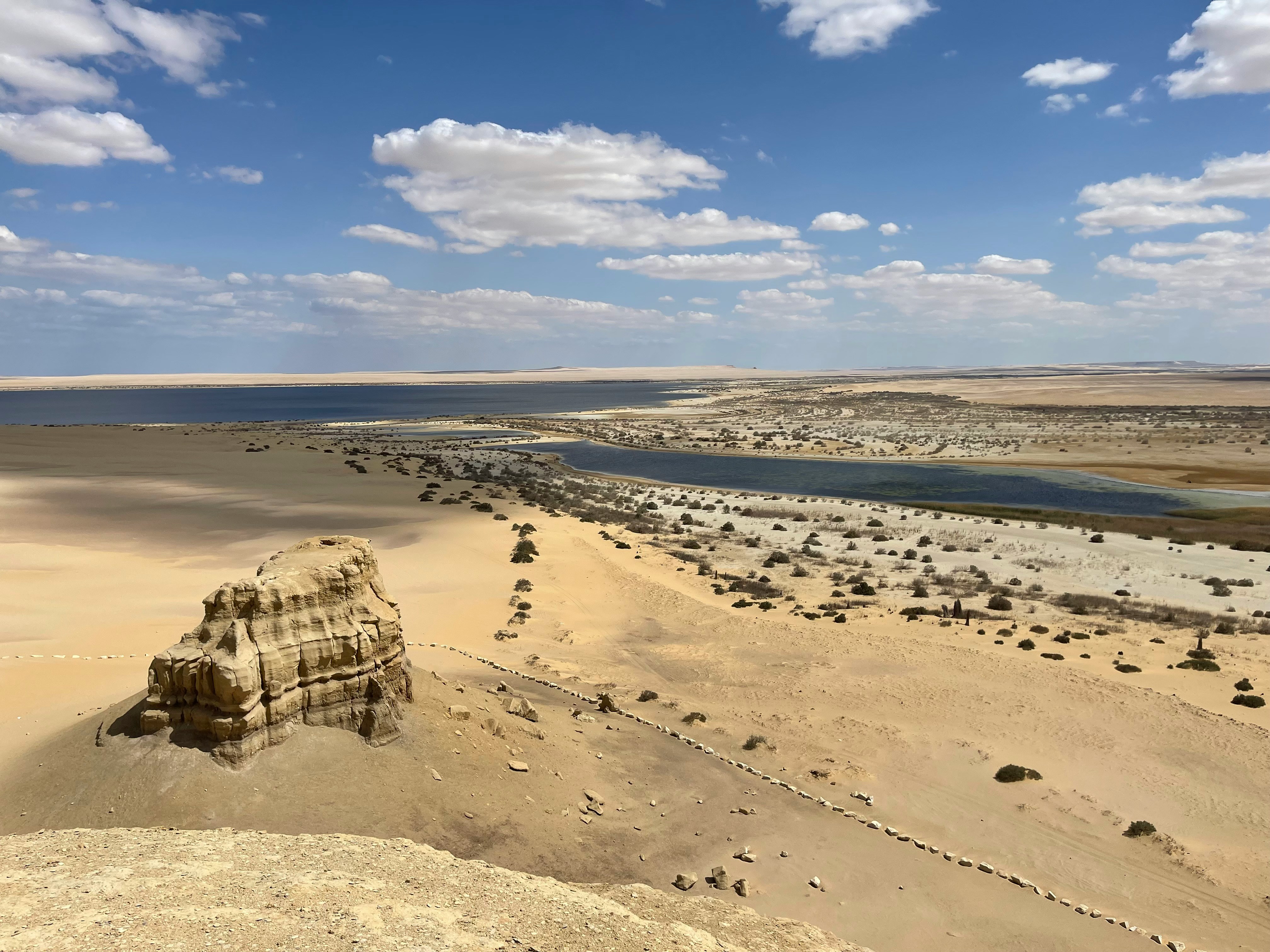
Dahab isn’t just about the Red Sea. It’s also the gateway to the White Desert, one of Egypt’s most surreal landscapes. Driving from Dahab to the White Desert is an adventure in itself. The road winds through the Sinai Mountains, past Bedouin villages where children wave as you pass, and through wadis where the sand is so white it looks like snow. The White Desert is a UNESCO Global Geopark, a place where the wind and sand have sculpted the rocks into bizarre shapes—mushrooms, mushrooms, camels, and even a rock formation that locals call "the sleeping whale."
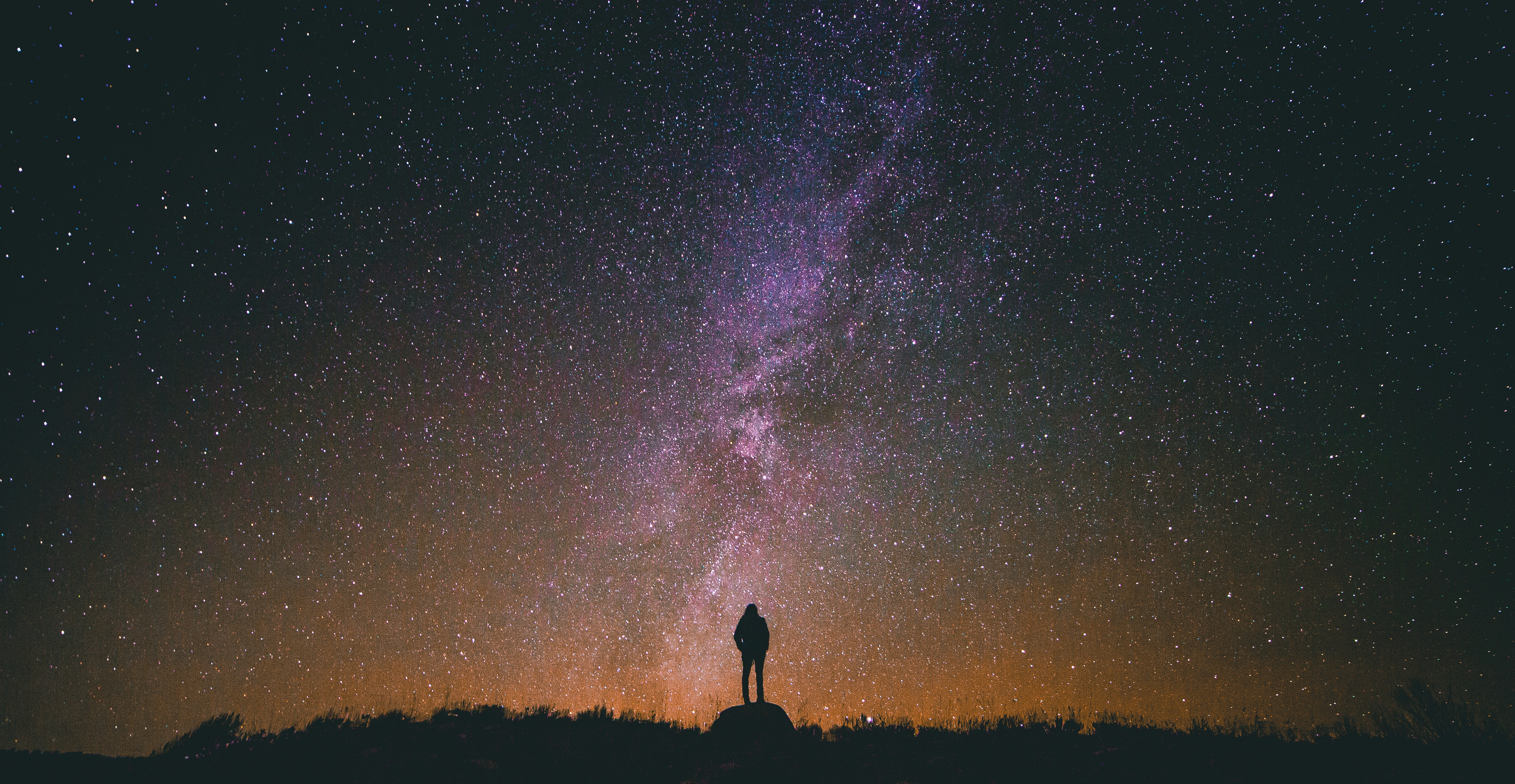
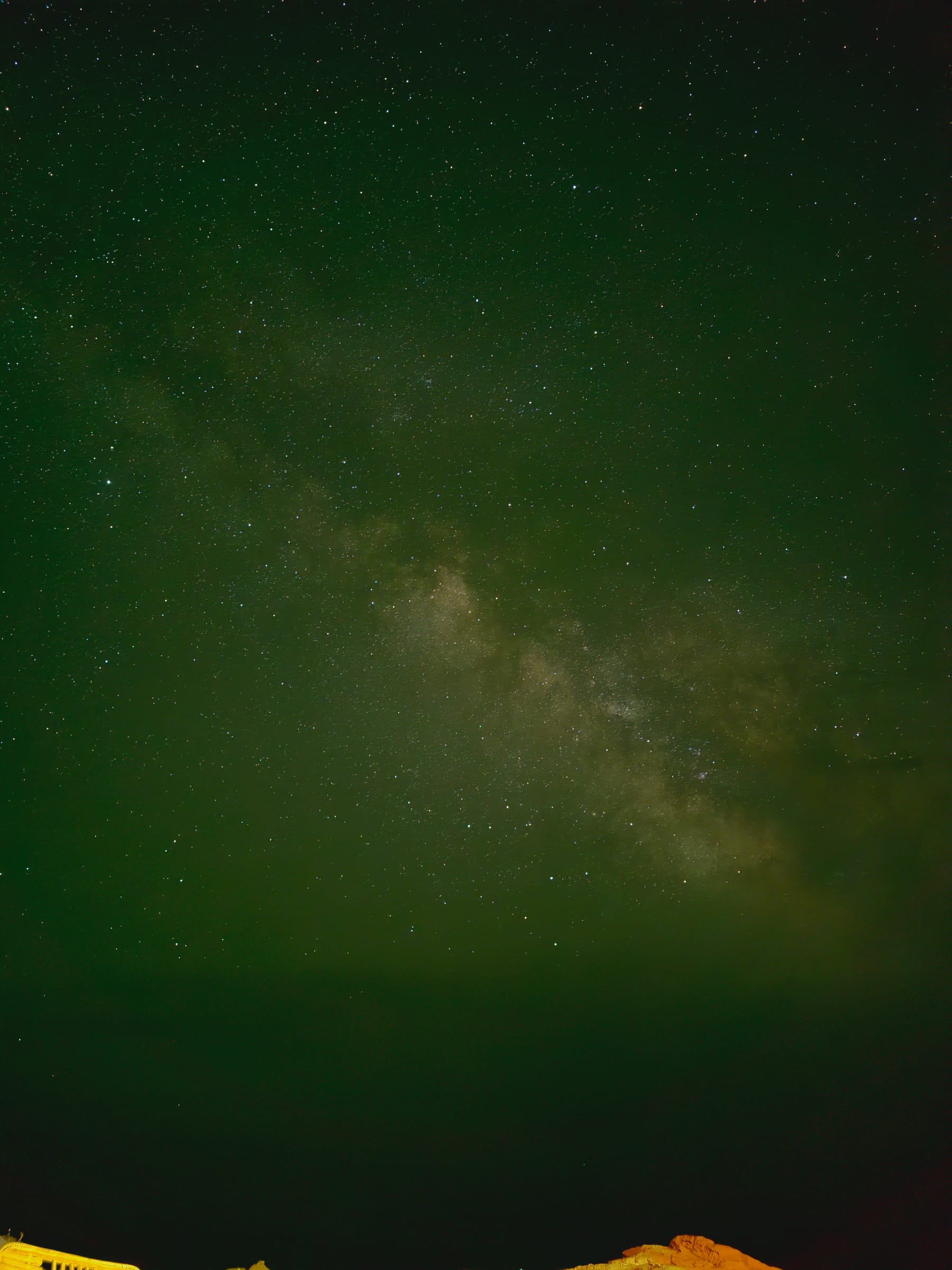
I’ve taken guests camping in the White Desert more times than I can count. The best time to go is at sunset, when the rocks glow gold and the shadows stretch long across the sand. We set up camp under a sky so clear you can see the Milky Way stretching like a river of light. The Bedouin cook us a feast—grilled lamb, rice with spices, and fresh bread baked in a pit. As we eat, the stars come out one by one, and the desert feels alive with whispers of the past. The White Desert isn’t just a landscape; it’s a time capsule of Earth’s history.
But the White Desert isn’t the only desert near Dahab. There’s also the Black Desert, where volcanic rocks contrast with the white sand, and the Crystal Mountain, where quartz crystals sparkle in the sun. Each place has its own story, its own magic. And the best part? You can explore them all on a private tour, with no crowds, no fixed schedule, just you and the desert.
If you’re the type of traveler who wants more than just the usual sights, Dahab’s deserts are waiting for you. They’re places where you can disconnect from the world and reconnect with something deeper.
────────────────Dahab’s Markets: Where Tradition Meets Traveler’s Soul
The Dahab Market is a labyrinth of narrow alleys, where the scent of spices mixes with the sound of haggling and the call to prayer echoes from the mosque. This isn’t a tourist trap—it’s a living market where Bedouin women sell handwoven baskets, silver jewelry, and colorful textiles. The men haggle over prices for fresh fish, while children dart between the stalls, their eyes wide with curiosity. It’s the kind of place where you can lose yourself for hours, just watching life unfold.
I always tell my guests to start at the spice stalls. The smell of cumin, coriander, and saffron will hit you like a wave. Next, stop by the fish market, where the day’s catch is laid out on slabs of ice. The vendors will happily tell you how to cook it—grilled with lemon and garlic, or fried with spices. Then, make your way to the jewelry stalls. The silver here is different from the stuff you’ll find in Cairo. It’s handmade by Bedouin women, often etched with traditional patterns that tell a story. A ring or a bracelet from Dahab isn’t just jewelry—it’s a piece of the desert’s soul.
And don’t forget the food stalls. Try the fatteh, a dish of rice, lentils, and crispy bread drenched in yogurt sauce. Or the sayadeya, a spiced fish dish that’s a Bedouin specialty. The best part? Everything is fresh, everything is local, and everything is made with love.
The market isn’t just a place to shop—it’s a place to connect. The vendors will ask where you’re from, what you’re doing in Dahab, and whether you’ve tried the tea yet. (You haven’t lived until you’ve had Bedouin mint tea, served in a small glass with so much sugar it’s almost syrup.) It’s in these moments that you realize Dahab isn’t just a destination. It’s a feeling.
────────────────Dahab’s Festivals: Celebrating Life in the Sinai
Dahab isn’t just about diving and deserts—it’s also about festivals. The most famous is the Sinai Liberation Day, celebrated on April 25th. It’s a day of parades, music, and fireworks, a celebration of Egypt’s recovery of the Sinai Peninsula in 1982. But for travelers, the real magic happens at the Dahab Festival, held every year in October. It’s a week-long celebration of music, art, and culture, with performances from Bedouin musicians, local dancers, and international artists. The festival takes place on the beach, under a canopy of stars, with the sound of waves in the background. It’s a reminder that Dahab isn’t just a place—it’s a community.
I’ve attended the Dahab Festival more times than I can count. One year, I took a group of Korean travelers who had never seen a festival like this. They were amazed by the music, the dancing, the food. "This is what Egypt is really like," one of them told me. And she wasn’t wrong. The festival is a snapshot of Dahab’s soul—vibrant, welcoming, and full of life.
Other festivals include the Moulid of Sidi Ali, a celebration of a local saint, where Bedouin gather to sing, dance, and share food. Or the Ramadan nights, when the market stays open late, and the scent of grilled meat fills the air. These festivals aren’t just events—they’re a testament to the power of community and tradition.
────────────────Why Dahab is Worth Your Time: A Local’s Honest Take
So, is Dahab worth visiting? Absolutely. But not in the way you might think. Dahab isn’t just about the Blue Hole or the White Desert. It’s about the people, the culture, and the feeling of being somewhere that hasn’t lost its soul to tourism. It’s about diving into a world where the water is so clear you can see a fish’s eye from 30 meters away. It’s about sitting with a Bedouin elder under a palm tree, sipping tea as he tells you stories that feel older than the pyramids. It’s about waking up to the sound of waves and going to sleep under a sky so full of stars it feels like the universe is holding you.
Dahab is where adventure meets tranquility. Where the desert’s golden sands meet the Red Sea’s turquoise waves. Where history isn’t just in museums—it’s in the rocks, the water, and the people who call this place home. It’s not a place for passive sightseeing. It’s a place for those who want to feel, to connect, to be changed by the journey.
If you’re the type of traveler who wants more than just a checklist of attractions, Dahab will steal your heart. It might not be as famous as Luxor or Aswan, but it’s just as important. It’s a reminder that Egypt isn’t just about pharaohs and pyramids—it’s about the land, the sea, and the people who make it come alive.
────────────────Best Time to Visit Dahab: Seasons and Weather
Dahab’s weather is as varied as its landscapes. The best time to visit is between October and May, when temperatures are mild, and the water is warm enough for diving. Here’s a quick breakdown:
- October to November: Perfect weather—warm days, cool nights, and the sea is still warm from summer. Ideal for diving and desert safaris.
- December to February: Chilly nights, especially in the desert. Days are sunny but not too hot. Great for hiking the Three Sisters or camping in the White Desert.
- March to May: Warm but not scorching. The desert blooms with wildflowers, and the water is crystal clear. The best time for photography.
- June to September: Hot! Temperatures can reach 40°C (104°F) in the desert. The sea is warm, but the midday sun can be intense. Not ideal for long hikes or desert trips.
If you’re planning a multi-day trip, consider combining Dahab with a visit to St. Catherine’s Monastery or a safari to the Safaga region. The journey from Dahab to St. Catherine’s is one of the most scenic drives in Egypt, winding through the mountains and past ancient rock formations.
────────────────How to Get to Dahab: From Cairo and Beyond
Dahab is about 8 hours from Cairo by car, but the journey is an adventure in itself. The best way to get there is by private tour, where you’ll have a comfortable car, a driver who knows the roads, and the flexibility to stop whenever you want. Here are your options:
- By Car: The drive from Cairo to Dahab takes you through the Suez Canal, past Ismailia, and into the Sinai Peninsula. The road is well-maintained, but it’s long. If you’re up for an overnight trip, you can break it up with a stop in Ismailia or at the Great Bitter Lake.
- By Bus: The East Delta Bus Company runs regular buses from Cairo to Dahab. It’s the cheapest option, but it’s not the most comfortable. The journey takes about 10 hours, and you’ll be sharing the ride with locals and other travelers.
- By Plane: The nearest airport is in Sharm El Sheikh, about 2 hours from Dahab. From Sharm, you can take a taxi or a bus. But if you’re coming from Cairo, a private transfer is the most convenient option.
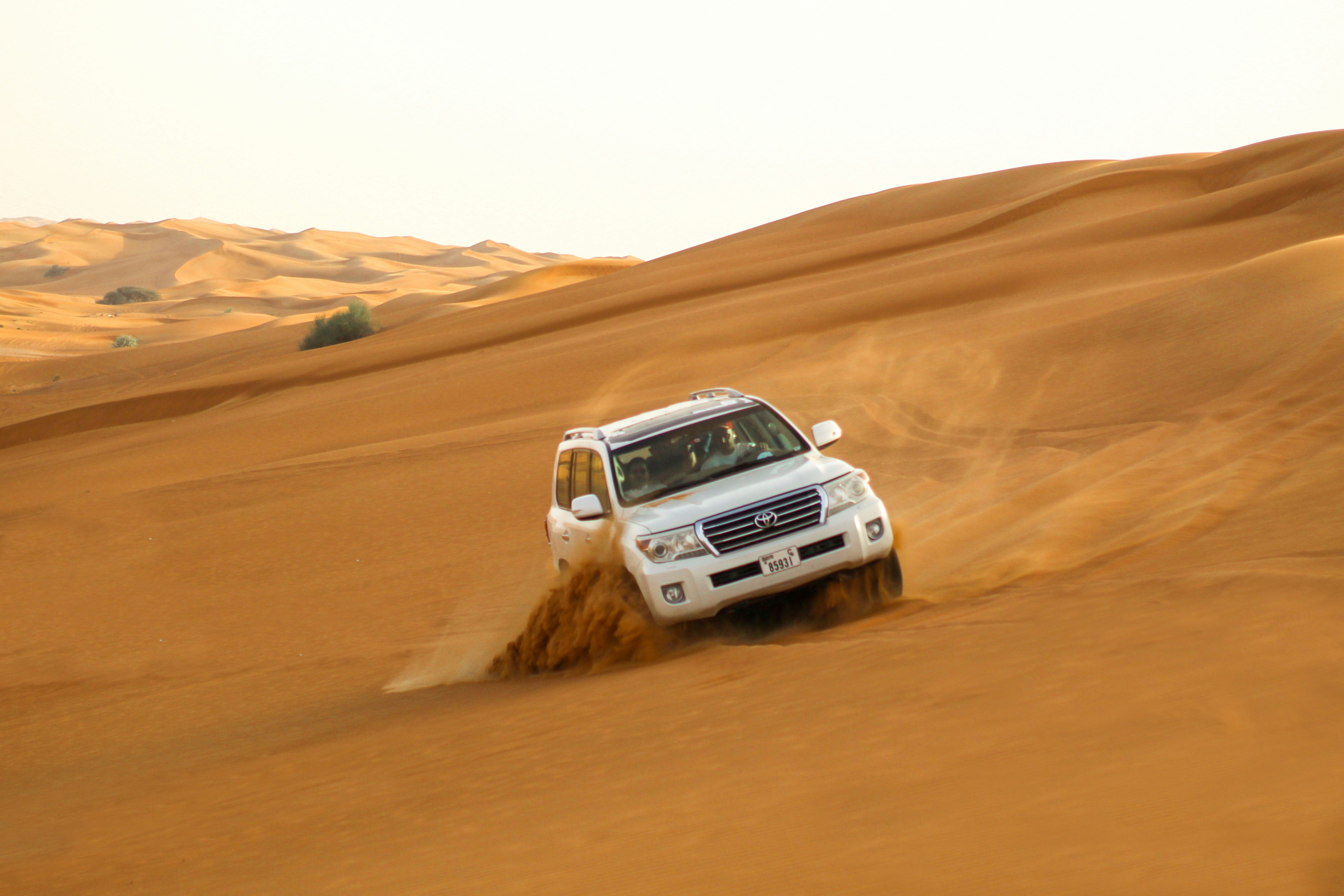
Once you’re in Dahab, getting around is easy. The town is small, and most places are within walking distance. For longer trips, like the White Desert or St. Catherine’s, a private 4x4 is the best option. The roads can be rough, and a professional driver will know the safest routes.
────────────────What to Wear in Dahab: Respecting Local Culture
Dahab is a relaxed, bohemian town, but it’s still part of Egypt, so dressing respectfully is important. Here’s what to pack:
- Beachwear: Swimsuits and shorts are fine at the beach or dive sites, but cover up when you leave the water. A rash guard or a sarong is a good idea for walking around town.
- Desert wear: Light, long-sleeved shirts and pants are best for desert trips. They’ll protect you from the sun and the wind. A scarf or head covering is also useful for keeping sand out of your face.
- Footwear: Comfortable sandals or hiking shoes are a must. The streets in Dahab are sandy, and the desert is rocky.
- Modest clothing for markets: When visiting the market or religious sites, wear clothes that cover your shoulders and knees. A light scarf is useful for covering your head if needed.
Dahab is a place where you can dress casually, but it’s also a place where you can feel the weight of history and culture. Dressing respectfully shows that you’re a guest, not just a tourist.
────────────────Nearby Attractions: Extend Your Sinai Adventure
Dahab isn’t an island—it’s part of a larger tapestry of experiences in the Sinai. If you’re staying for more than a few days, consider adding these to your itinerary:
- St. Catherine’s Monastery: One of the oldest Christian monasteries in the world, founded in the 6th century. It houses a priceless collection of icons and manuscripts, including the Codex Sinaiticus, one of the oldest Bibles in the world. The monastery is a UNESCO World Heritage Site and a place of pilgrimage for Christians and Muslims alike.
- Nuweiba: A laid-back beach town on the Gulf of Aqaba, known for its coral reefs and Bedouin villages. It’s a quieter alternative to Dahab, perfect for those who want to escape the crowds.
- Taba: A small border town near Israel, where you can visit the Taba Protectorate and the Taba Heights resort area. It’s a great place to relax after a long trip.
- Safaga: A port town known for its windsurfing and kitesurfing. It’s also the gateway to the Eastern Desert, where you can explore ancient gold mines and abandoned monasteries.
Each of these places has its own story, its own magic. And the best part? You can visit them all on a private tour, with stops tailored to your interests and pace.
────────────────Why Choose Bodda Tours for Your Dahab Adventure
I know what you’re thinking: "There are a million tour companies out there. Why Bodda Tours?" The answer is simple. I’m not just a tour guide—I’m a local who grew up in Cairo but has spent enough time in Dahab to know its secrets. I’ve dived the Blue Hole until my ears ached. I’ve sat with Bedouin elders until the stars came out. I’ve gotten lost in the White Desert until the camels found us. This isn’t a job for me. It’s a calling.
Here’s what sets Bodda Tours apart:
- No shared buses, no cramped seats: Every tour is 100% private. You’ll have your own car, your own driver, and your own guide. No waiting for strangers, no fixed schedules—just you and the experience.
- Korean-speaking guides: If you’re traveling from Korea, you won’t have to worry about language barriers. Our guides are fluent in Korean, so you can ask questions, share stories, and connect with Egypt without stress.
- Door-to-door service: We pick you up from your hotel or the airport and drop you off at the end of the day. No hassle, no stress.
- No scams, no surprises: We don’t do fake tuktuk safaris in Siwa. We don’t take you to overpriced shops. We don’t hide fees. What you see is what you pay.
- Custom itineraries: Want to spend an extra hour at the Blue Hole? No problem. Want to stop for photos in the White Desert? Done. Want to skip the market and go straight to the dive site? Your call. We tailor every tour to your interests, your pace, and your dreams.
- Verified tours only: We don’t resell other companies’ tours. We run our own, so you’re getting the real deal, straight from the local who knows best.
- Real reviews: Ask us for recent guest reviews, and see what others have experienced. We don’t hide behind fake testimonials—our guests’ stories speak for themselves.
- Compensation guarantee: If something goes wrong, we make it right. Simple as that.
I’ve taken guests to Dahab who were nervous about diving. I’ve shown Bedouin families who thought tourism was only for resorts. I’ve seen travelers cry when they left, promising to return. That’s the power of a real local experience. That’s Bodda Tours.
────────────────Ready to Explore Dahab and Sinai? Contact Bodda Tours Today
Dahab isn’t just a place on a map. It’s a feeling, a story, a journey into the heart of Sinai. Whether you’re here to dive the Blue Hole, hike the Three Sisters, or just sit by the sea with a cup of Bedouin tea, Bodda Tours is here to make it happen. We’ll handle the details, so you can focus on the magic.
Reach out anytime between 07:00-22:00 daily. We’re waiting.
- WhatsApp: wa.me/201040541153
- KakaoTalk: open.kakao.com/o/smU92Hfi
- Email: info@boddatours.me
- Website: boddatours.me
Come find me. I’ll show you Dahab the way only a local can.
────────────────
![[2026 Egypt Tours] Siwa Oasis Honest Review (Desert Safari & History)](https://boddatours.me/images/hq/siwa-salt-lake-hq.jpg)