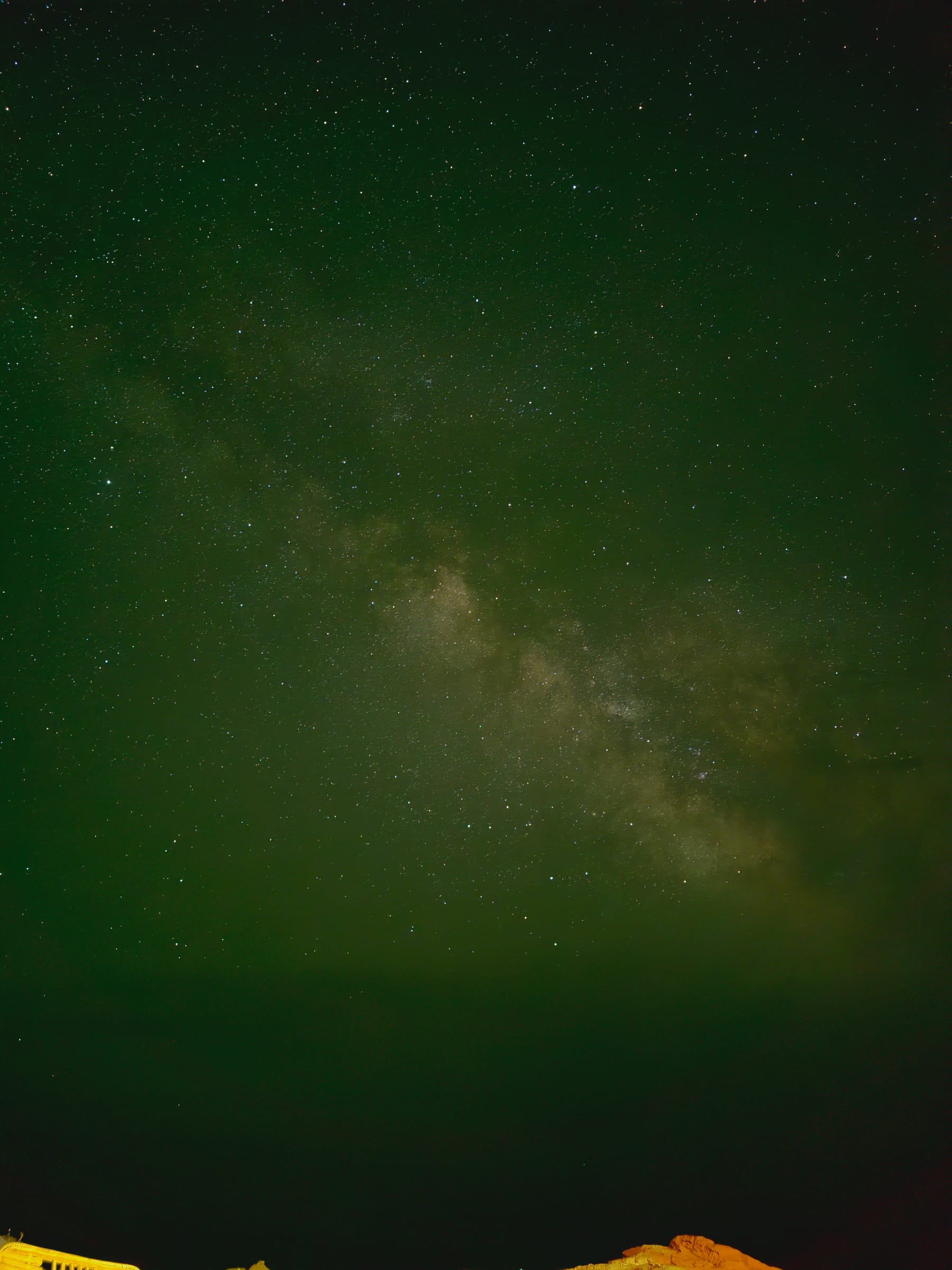
![[2026 Egypt Culture Guide] Tentmakers of Cairo: Where 1,000 Years of Applique Live in a Hidden Alley](https://boddatours.me/images/hq/giza-hq.jpg)
The Alley Where Threads Tell Stories Older Than Cairo
The first time I walked into Tentmakers Alley (Haret El-Khayamiyin) I thought I’d stepped into a painting — one where every color tells a story and every stitch carries a breath of the past. The air smells of aged cedar and fresh cotton, the walls whisper with the chime of scissors against brass thimbles, and the sunlight filters through lattice windows painted with geometric patterns older than the Ottoman Empire.
This is not just a marketplace. It’s a living museum where the art of khayamiya — the Egyptian art of applique — has been passed down for over a thousand years. The Tentmakers of Cairo didn’t just survive the fall of dynasties or the rise of empires. They thrived in the cracks between them, turning silk into prayer rugs, gold into wedding canopies, and cotton into the very curtains that once draped the palaces of Mamluk sultans.
I’ve spent years wandering Cairo’s alleys, but nothing prepared me for the electric quiet in Tentmakers Alley. The craftsmen don’t rush. They don’t shout. They sit on low wooden stools, their hands moving like metronomes — needle through cloth, thread pulling tight, pattern unfolding like a secret only the initiated can see.
And here’s the thing — this craft isn’t just history. It’s alive. It’s breathing. It’s fighting. Every day, new patterns emerge. Every year, new artists rise. This is Egypt’s quiet revolution, stitched one thread at a time.
────────────────What Is Khayamiya? The Art That Built a Craft Dynasty
The word khayamiya comes from the Arabic root khaym, meaning tent. But this isn’t just any tent-cloth art. The Tentmakers of Cairo turned it into a language of color, geometry, and symbolism that told stories without words.
The origins? They go back to the Fatimid Caliphate in the 10th century. The Fatimids brought silk from Persia and cotton from India, and Cairo became the crossroads where East met West. The sultans needed tents for their campaigns, for their pilgrimages, for their royal ceremonies. And who could weave fabric strong enough to survive the desert winds and deep enough to hold the weight of gold thread?
The Tentmakers didn’t just weave fabric. They wove identity. Each tribe had its signature pattern. Each sultan had his royal emblem. Even the Bedouin of the desert had their own khayamiya designs — tents that doubled as maps, telling travelers where to find water, which wells were safe, which tribes were friendly.
By the time the Mamluks ruled Cairo in the 13th–16th centuries, khayamiya had become a status symbol. The elite draped their palaces in silk applique. The wealthy lined their carriages with gold-threaded canopies. And the Tentmakers Alley? It became the beating heart of Cairo’s textile trade.
I remember once showing a guest a 15th-century khayamiya panel in the Islamic Art Museum. She touched it with trembling fingers and whispered, "This isn’t fabric. It’s a scroll of history." And she was right. Every geometric motif, every floral scroll, every Quranic verse embroidered in gold — it’s all a record of who we were, and who we are.
UNESCO recognized khayamiya as an Intangible Cultural Heritage in 2020 — not just for its beauty, but for its role in preserving Egypt’s identity across centuries. Today, the Tentmakers Alley is one of the last places on earth where you can see this craft in its purest form.
────────────────Walking the Alley: A Thousand Years in One Hundred Steps
You won’t find Tentmakers Alley on most tourist maps. It’s tucked behind the spice stalls of Khan el-Khalili, down an alley so narrow you can touch both walls with your elbows. The entrance is marked by a simple wooden door, its paint peeling like old poetry.
Step inside, and the city vanishes.
The first thing that hits you is the light — not the harsh sun of Cairo’s streets, but a soft golden glow filtering through wooden mashrabiya screens. The second is the sound: the rhythmic tick-tick of needles, the shuffle of sandals on stone, the occasional cough from a master who’s been sitting in the same spot for sixty years.
The alley itself is a labyrinth of tiny workshops, each no bigger than a living room. One master specializes in wedding canopies — his hands never stop moving, even when he talks. Another stitches Quran covers with such precision that the gold thread looks like liquid sunlight. A third weaves tent panels for desert festivals, using patterns that haven’t changed since the time of Saladin.
I always tell my guests: Don’t just look. Sit. Pull up a stool. Ask a question. Watch the way the needle moves — always from back to front, never front to back. That’s how you know a real Tentmaker. Their stitches are invisible from the front. They’re the ghosts of the craft.
One of the oldest masters, Sheikh Hassan, has been working here since the 1960s. He’s in his 80s now, his hands gnarled but his eyes sharp. He once showed me a panel he’d stitched in 1976 for a wedding in Aswan. "This cloth has seen three generations," he said. "It will see a fourth."
That’s the power of khayamiya. It’s not just cloth. It’s memory.
And here’s the best part — you can take a piece of that memory home with you. But only if you listen first.
────────────────What to Look For: The Secret Language of Khayamiya Patterns
Most visitors walk into Tentmakers Alley and see colorful fabrics. But I’ve learned that every color, every shape, every stitch tells a story. Here’s how to "read" a khayamiya panel:
Geometric Patterns: The Language of the Divine
Look closely at the repeating shapes — stars, hexagons, octagons. These aren’t just decorations. They’re sacred geometry, inspired by the cosmos and the Quran. The eight-pointed star? It represents the eight gates of Paradise. The six-pointed star? It’s the Seal of Solomon, warding off evil.
The Mamluks loved these patterns because they symbolized order in a chaotic world. Today, the same patterns appear in modern khayamiya pieces — a reminder that some things never change.
Floral Motifs: The Garden of Paradise
See those twisting vines and blooming flowers? They’re not random. They represent the Garden of Eden, a recurring theme in Islamic art. The tulip? It symbolizes the soul’s journey. The pomegranate? Fertility and abundance.
Fun fact: The Fatimids brought the pomegranate motif from Persia, and it became so popular in Cairo that it’s now a symbol of Egyptian identity.
Calligraphy: The Art of the Word
Some khayamiya panels have Arabic calligraphy stitched in gold or silver thread. These aren’t just decorative — they’re prayers, blessings, or verses from the Quran. The most common? The Basmala — "In the name of Allah, the Most Gracious, the Most Merciful." You’ll see it on wedding canopies, on tent panels, even on burial shrouds.
I once saw a panel with a verse from Surah Al-Rahman — "Which, then, of your Lord’s blessings will you deny?" The master who stitched it told me, "Every stitch is a reminder. Every thread is a blessing."
Animal Symbols: The Language of the Desert
The Bedouin of Egypt have their own khayamiya patterns, inspired by the desert’s creatures. The camel? Endurance. The horse? Nobility. The falcon? Freedom.
Look for these symbols in modern khayamiya pieces. They’re not just pretty designs — they’re a bridge between ancient Egypt and the present day.
────────────────Why the Craft Almost Died — And Why It’s Fighting Back
The 20th century nearly killed khayamiya. Factories in India and China churned out cheap, machine-made textiles. Fast fashion replaced handcrafted beauty. And in Cairo, modernity meant skyscrapers and shopping malls, not silk and gold.
By the 1990s, the Tentmakers Alley was a ghost town. The masters were aging. The young people were leaving. The craft was fading.
But then something amazing happened.
Tourists started asking questions. Designers started visiting. Artists started collaborating. And the Tentmakers realized — their craft wasn’t just a relic. It was a story waiting to be told.
Today, the alley is thriving again. New masters are rising. New patterns are emerging. And the Tentmakers are turning their craft into a movement.
I���ve seen it firsthand. Young Egyptian designers are using khayamiya techniques in modern fashion. Hotels in Cairo are commissioning custom khayamiya panels for their lobbies. Even luxury brands are sourcing from the alley.
But the real magic? The Tentmakers are teaching the next generation. Children as young as 12 are learning the craft. Women are joining the workshops. And the alley is becoming a place where tradition and innovation meet.
That’s the power of khayamiya. It’s not just a craft. It’s a resistance.
────────────────How to Visit Tentmakers Alley Like a Local — (And Why Most Tourists Get It Wrong)
Most tourists walk into Tentmakers Alley, snap a photo of the colorful fabrics, and leave. But that’s like visiting the Louvre and only looking at the gift shop.
Here’s how to visit like a local — and why it matters:
Go Early. Go Slow. Go With Curiosity.
The alley is at its best in the morning, when the light is soft and the masters are fresh. By afternoon, the heat slows everyone down. And by evening? The alley hums with the sound of scissors and laughter as the masters wind down their day.
Don’t rush. Sit. Watch. Ask. The masters love sharing their stories — if you’re willing to listen.
Bring Cash. And Bring Respect.
Most khayamiya pieces are sold directly from the workshop. Prices vary — from $20 for a small pillow cover to $500 for a full wedding canopy. But haggling? Don’t. The Tentmakers set fair prices. They’re not trying to rob you. They’re trying to preserve a craft.
And respect? That means no touching without asking. No pointing with your feet. No loud voices. This is a place of prayer and craft, not a market stall.
Ask for a Demonstration. Then Try It Yourself.
One of the most magical moments in the alley is watching a master stitch. They move with such precision that it looks effortless. But when I tried it myself? I nearly stabbed myself with the needle. Three times.
But the masters laugh. They love teaching beginners. And there’s nothing like stitching your first khayamiya panel — even if it’s just a few uneven stitches — to understand the care that goes into every piece.
Take a Workshop. Take a Piece of History Home.
Some workshops in the alley offer short khayamiya workshops — from one-hour sessions to full-day classes. You’ll learn the basics, stitch a small piece, and take it home as a souvenir.
I’ve done this with guests who swore they had "no artistic talent." And every single time, they left with a piece they were proud of — and a newfound respect for the Tentmakers.
Support the Right Places.
Not all workshops in Tentmakers Alley are equal. Some sell machine-made copies. Some import fabrics from India. The real khayamiya? It’s hand-stitched, hand-woven, and made in Cairo.
Ask the masters: Where was this fabric woven? Who stitched this panel? How long did it take? If they can’t answer, walk away.
────────────────What to Wear in Tentmakers Alley — Respect the Craft (and the Masters)
Tentmakers Alley is in the heart of Islamic Cairo — a place where tradition and faith intersect. Dressing respectfully isn’t just polite. It’s a sign of gratitude for the craft and the people who keep it alive.
Here’s what I tell my guests:
- Cover your shoulders and knees. A loose blouse or a long-sleeve tunic over pants is perfect. A scarf is always welcome — and useful for shielding your face from the sun.
- Wear comfortable shoes. The alley is cobbled and uneven. Sandals are fine, but avoid heels — you’ll trip over loom threads.
- Avoid strong perfumes. The scent of oud or jasmine can interfere with the delicate aroma of aged silk and cotton. Think of it as honoring the materials.
- Leave your selfie stick at the entrance. This isn’t a photo op. It’s a place of work, prayer, and craft. Take photos with your heart, not just your camera.
One guest once wore a sleeveless top and shorts. The moment she stepped into the alley, she realized her mistake. The masters didn’t say anything. But their silence spoke volumes. She borrowed a scarf from me and never made the mistake again.
Respect isn’t about rules. It’s about understanding the space you’re in.
────────────────Is Tentmakers Alley Worth Visiting? The Honest Answer
If you’re looking for a quick photo op, Tentmakers Alley isn’t for you. But if you want to:
- Touch a craft older than Cairo itself
- Meet the last generation of masters who remember the Fatimid Caliphate
- Take home a piece of Egypt’s living history
- Support a craft that’s fighting to survive
Then yes. It’s absolutely worth visiting.
Most tourists spend 10 minutes in the alley. I spend hours. Because every time I go, I learn something new. Every time, I meet a master who’s been stitching for 50 years. Every time, I leave with a piece of history in my hands.
This isn’t a tourist attraction. It’s a living legacy. And it’s waiting for you to discover it.
────────────────What Else to See Near Tentmakers Alley — Because Cairo’s Old City is a Museum Itself
Tentmakers Alley is just the beginning. The surrounding area is a treasure trove of history, culture, and craft. Here’s what else you shouldn’t miss:
Al-Muizz Street (Al-Muizz Li-Din Allah) — The Heart of Islamic Cairo
This 1,000-year-old street is lined with Mamluk palaces, Fatimid mosques, and Ottoman fountains. It’s where Cairo’s architectural history comes alive. Don’t miss the Al-Azhar Mosque — founded in 970 AD, it’s one of the oldest universities in the world. And the Qalawun Complex — a 13th-century hospital and mausoleum that’s a masterpiece of Islamic architecture.
Wekalet El-Ghouri — The Last Caravanserai of Cairo
Built in 1504, this was once a bustling trading hub where merchants from across the Islamic world bought and sold goods. Today, it’s a cultural center where you can watch Sufi music performances and traditional crafts demonstrations.
Khan el-Khalili Bazaar — But Not the Tourist Trap
Khan el-Khalili is famous — and infamous. But if you know where to go, it’s a place where the real Cairo still lives. Skip the touristy stalls and head to the back alleys. Look for the spice dealers in the Ghuriya section — their stalls smell like a 16th-century apothecary. And visit the Goldsmiths’ Alley — where craftsmen still work with hand tools, just like they did in the Ottoman era.
Saladin Citadel & Mosque of Muhammad Ali — Where Egypt’s History Shaped the World
The Citadel was built by Saladin in the 12th century to defend Cairo from Crusaders. Today, it’s a fortress where you can walk the same walls that once protected a continent. And the Mosque of Muhammad Ali — built in 1848, it’s a masterpiece of Ottoman architecture, with alabaster walls and a soaring dome that dominates the Cairo skyline.
Bayt Al-Suhaymi — A 17th-Century Mansion Frozen in Time
This restored Ottoman-era mansion is a rare glimpse into how Cairo’s elite lived 400 years ago. The wooden mashrabiya windows, the painted ceilings, the hidden courtyards — it’s like stepping into a time machine.
If you’re visiting Tentmakers Alley, spend a full day exploring the surrounding area. You’ll leave with a deeper understanding of Cairo — and a camera full of memories.
────────────────Why Choose Bodda Tours for Your Cairo Craft Adventure
I started Bodda Tours because I wanted travelers to experience Cairo’s soul — not just its sights. And Tentmakers Alley? It’s one of the best places to do that.
Here’s why I’m the guide you want when you step into this 1,000-year-old alley:
I Speak Your Language — Literally
I’m a local Egyptian who speaks fluent Korean (and English, and Arabic). No language barriers. No awkward pauses. No missed connections. When you walk into Tentmakers Alley with me, you’re not just a tourist. You’re a guest.
We Don’t Rush. We Don’t Crowd. We Don’t Sell.
Most tour companies treat Tentmakers Alley like a 15-minute stop on a crowded bus tour. I don’t. I take my guests early in the morning, when the alley is quiet and the masters are fresh. We sit. We chat. We learn. And we leave with a piece of history — not a selfie.
You Meet the Real Craftsmen — Not Just the Shopkeepers
Some tour operators take you to a shop where the owner speaks broken English and pressures you to buy. I take you to the real workshops — where the masters have been stitching for 50 years and love sharing their stories. You’ll meet Sheikh Hassan, the 80-year-old master who remembers the Fatimid Caliphate. You’ll meet Amal, the young woman stitching Quran covers with gold thread. You’ll meet the Bedouin who still weaves tents for desert festivals.
This isn’t a performance. It’s a conversation.
No Hidden Fees. No Commissions. No Surprises.
I don’t work with middlemen. I don’t take commissions from workshops. When you book with Bodda Tours, you’re booking directly with me — the person who runs the tours. That means no surprises, no hidden fees, and no pressure to buy.
Custom Itineraries — Because Your Time is Yours
Want to spend an hour in Tentmakers Alley? Two hours? Half a day? We’ll make it happen. Want to combine it with a visit to Al-Muizz Street and a traditional Egyptian lunch? We’ll design it for you. Want a private khayamiya workshop? We’ll arrange it. Your trip is yours to shape.
Door-to-Door Service — No Stress, No Hassle
I pick you up at your hotel in Cairo. I drop you off when you’re done. No navigating Cairo’s chaotic streets. No haggling with taxi drivers. No lost in translation moments. Just a comfortable car, a friendly driver, and a door-to-door experience.
Real Traveler Reviews — Because Words Matter More Than Ads
I don’t believe in fake reviews. I don’t believe in paid testimonials. If you want to know what it’s really like to visit Tentmakers Alley with Bodda Tours, ask me for recent guest reviews. You’ll hear about the quiet moments, the unexpected connections, and the pieces of history that travelers took home with them.
────────────────Ready to Step Into a Thousand Years of Craft?
Tentmakers Alley isn’t just a place to visit. It’s a place to experience. It’s a place to connect. It’s a place where the past and present shake hands — and the thread that ties them together is the needle of a master stitching gold into silk.
Whether you’re a history buff, a textile lover, or just someone who wants to meet the real Cairo, this alley has a story waiting for you. And I’d love to be the one to share it.
Contact Bodda Tours today to plan your visit. I’m here every day from 07:00 to 22:00. And I can’t wait to meet you.
- WhatsApp: wa.me/201040541153
- KakaoTalk: open.kakao.com/o/smU92Hfi
- Email: info@boddatours.me
- Website: boddatours.me
Sources & References
- UNESCO Intangible Cultural Heritage: Khayamiya, Egyptian Appliqué Art (https://ich.unesco.org/en/RL/01716)
- Wikipedia: Tentmakers of Cairo (https://en.wikipedia.org/wiki/Tentmakers_of_Cairo)
- Egyptian Ministry of Tourism: Islamic Cairo Heritage Trail (https://www.visitegypt.gov.eg/)
- Islamic Art Museum, Cairo: Mamluk Textile Collection
- Al-Ahram Weekly: The Art of Khayamiya (2018)
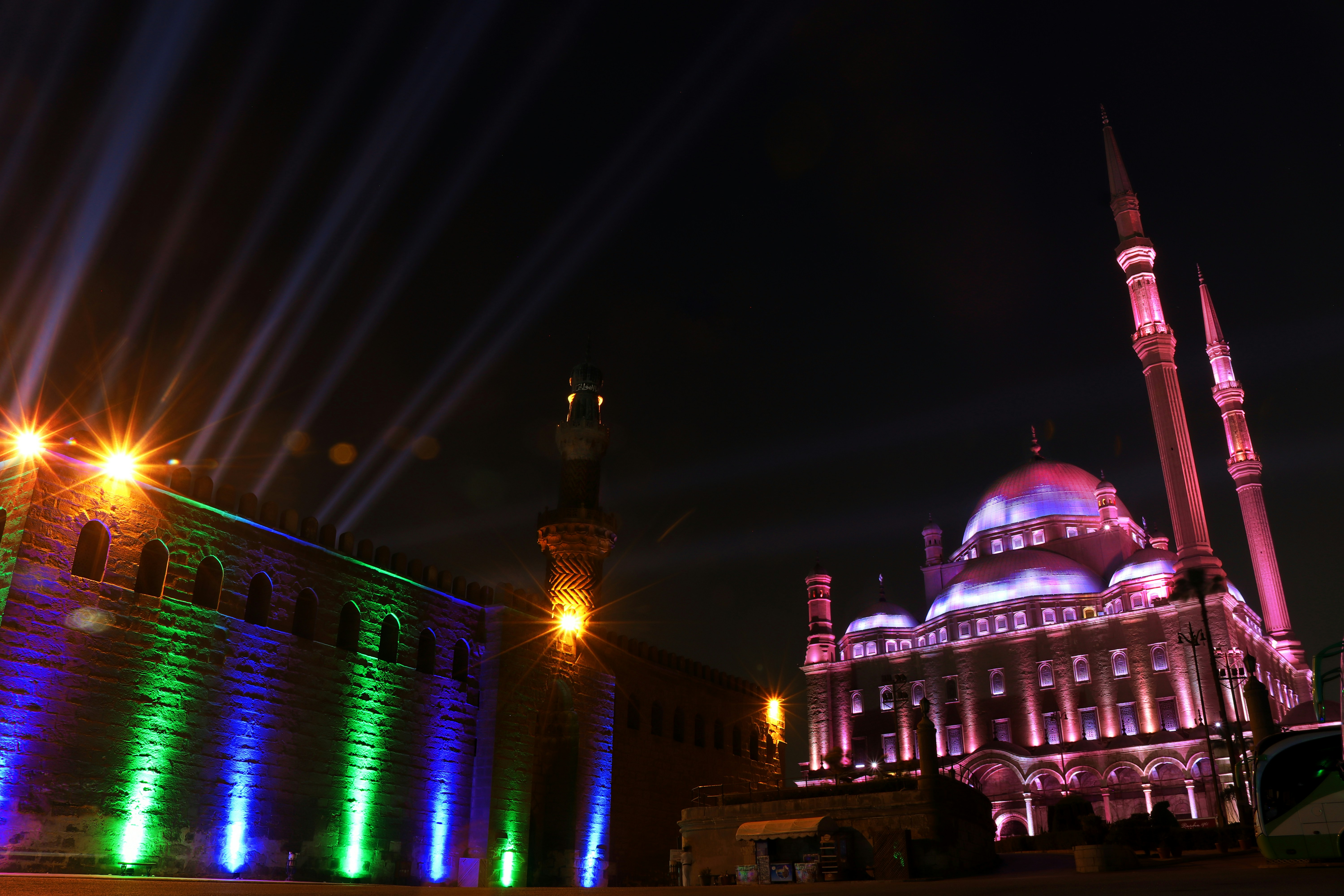
![[2026 Egypt Tours] Siwa Oasis Honest Review (Desert Safari & History)](https://boddatours.me/images/hq/siwa-salt-lake-hq.jpg)
![[2026 Egypt Tours] Cairo Cafes & Mint Tea (Local Experience)](https://boddatours.me/images/hq/moez-st-hq.jpg)
![[2026 Egypt Tours] Red Sea Diving Secrets (Ras Mohamed & Blue Hole)](https://boddatours.me/images/fallback-post.png)