![[2026 Egypt Culture] Siwa’s Silver Secrets: Berber Jewelry, Wedding Dances & the Desert’s Ancient Soul](https://boddatours.me/images/hq/siwa-salt-lake-hq.jpg)
The Silver That Speaks: How Siwan Berber Jewelry Tells 1000-Year-Old Stories
I still remember the first time I walked into a Siwan silversmith’s workshop in the shadow of Shali Fortress. The air smelled of hot metal and mint tea. The old man—his hands gnarled but steady—didn’t lift his eyes from the anvil. He worked silver the way others might pray: with reverence, with rhythm, with a language only he understood.
That silver isn’t just jewelry. It’s a living archive of Siwa’s soul.
Each piece—whether a wedding necklace or a protective amulet—carries symbols older than Islam, older than Cleopatra’s visit. The crescent moon, the sunburst, the palm tree, the snake. These aren’t random patterns. They’re prayers. They’re maps. They’re the Berber way of saying: We have always been here.
And I’ve seen travelers cry when they realize they’re holding a piece of history that’s still being made right now.
────────────────Why Silver? The Siwan Answer Lies in the Desert’s Bones
The Siwa Oasis sits in a pocket of the Sahara, where the earth whispers to those who listen. No river cuts through this land. No Nile runs nearby. Yet, water is everywhere—hidden in salt lakes, bubbling from springs, trapped in underground aquifers. This paradox shaped the Siwans.
Silver, unlike gold, was found in the nearby Tibesti Mountains. It was workable. It was honest. It didn’t glitter like fool’s gold. It reflected the desert’s light without pretending to be something it wasn’t. And most importantly? It never rusts.
That’s why Siwan men gave silver jewelry to their brides. Not just as adornment, but as a promise: This love will last. This bond will endure. Even when the desert wind howls and the world forgets us, our story remains.
I’ve watched Siwan women in their embroidered robes lift their silver collars to the sun. The light catches the engravings—tiny camels, palm fronds, geometric patterns—and for a moment, the whole oasis seems to shimmer with meaning.
────────────────The Symbols You’ll See—and What They Really Mean
Not all silver is equal in Siwa. The symbols tell the story. Here’s what to look for:
- Crescent Moon & Sunburst: These aren’t just decorative. They represent the moon goddess Satet, worshipped here since Pharaonic times. Cleopatra herself came to Siwa to consult the Oracle of Amun—she stood where this symbol once dominated temple walls. When you see this on a Siwan necklace, you’re touching a thread that connects you to the 13th century BC.
- Palm Tree: Siwa’s lifeblood. The date palm feeds, shelters, and heals. A palm engraved in silver isn’t just pretty—it’s a blessing. Women wear palm motifs during labor. Men gift them to brides as a wish for fertility. I’ve seen a Siwan grandmother press a palm-shaped pendant to her granddaughter’s forehead during a naming ceremony. It’s that sacred.
- Snake: The serpent has guarded Siwan homes for millennia. It’s not evil here. It’s protection. The famous Temple of Amun—where Alexander the Great declared himself a son of Zeus-Ammon—once had serpent carvings watching over its gates. Today, snake motifs on bracelets ward off the evil eye. I once bought a snake ring for my mother. She wears it every day and swears it’s kept her safe on Cairo’s chaotic streets.
- Geometric Patterns: These are Amazigh (Berber) script in disguise. The interlocking diamonds, zigzags, and triangles aren’t random. They’re a visual language. Some patterns ward off drought. Others invite rain. Some are family crests. When a Siwan bride receives her dowry jewelry, these patterns tell her story before she even speaks a word.
- Hands & Eyes: The evil eye is feared deeply in Siwa. A hand with an eye in the palm—‘Fatimah’s Hand’—is the most common amulet. But here’s the twist: Siwan silversmiths often engrave it with a crescent moon at the base. That means it’s not just protection. It’s a prayer to the moon goddess too. I’ve seen tourists in the souk bargain hard for these, not realizing they’re buying a piece of living faith.
Every time I explain these symbols to visitors, their faces change. They stop seeing ‘just jewelry.’ They start seeing a culture that refused to die.
────────────────The Wedding Dance: When the Desert Becomes a Stage
Imagine this: it’s midnight in Siwa. The air is cool, but the ground still holds the day’s heat. The bride—wrapped in layers of indigo-dyed silk, her silver jewelry chiming like a wind chime—steps into a circle of women.
Then the drum begins.
Not a beat. Not a rhythm. A conversation.
The drum is the voice of the ancestors. The women’s clapping is the pulse of life. And the bride? She dances.This isn’t just celebration. It’s transmission.
I’ve sat cross-legged in a mud-brick courtyard in Agurmi village, watching a bride move. Her arms trace patterns in the air—circles, figure-eights, slow falls to her knees. Each movement is a story:
- The Circle: Represents the cycle of life, death, and rebirth. The Siwans believe the soul is eternal. This dance says: I accept my place in that circle.
- The Figure-Eight: Symbolizes the path of the sun across the sky. It’s a prayer for light, for warmth, for the oasis to thrive.
- The Knee Falls: A moment of surrender. The bride acknowledges the weight of her new role: wife, mother, keeper of tradition.
The dance can last hours. By dawn, the bride is exhausted but glowing. Her silver jewelry glints in the first light, and she’s not just a woman anymore. She’s a vessel of Siwan continuity.
I once asked an elder why they don’t modernize the dance. She looked at me like I’d asked why the Nile flows south.
‘Our blood remembers,’ she said. ‘The dance keeps the memory alive.’
────────────────The Instruments You Won’t Hear Anywhere Else
The music of a Siwan wedding isn’t just drums and clapping. It’s a full orchestra of ancient sounds:
- Tbal (Drum): Made from goat skin and carved wood. The sound is deep, resonant, like the earth itself is speaking. I’ve recorded this drum and played it back in Cairo. My friends from Upper Egypt wept—they recognized the rhythm from Pharaonic temple ceremonies.
- Zurna (Double-Reed Flute): Shrill, piercing, like the call of a desert bird. It leads the melody. In Pharaonic times, it was played at harvest festivals. Today, it announces the bride’s entrance.
- Aghani (Chants): These aren’t songs. They’re oral histories. The women sing in Tamazight (Berber language), chanting the names of ancestors, weaving their stories into the night. Some chants mention Cleopatra. Some mention the Oracle of Amun. Some are so old, even linguists can’t translate them fully.
- Hand Clapping: Not just rhythm. It’s a spiritual act. The women clap in patterns that mimic the movement of stars. I’ve read that the Siwan star maps predate the pyramids. These claps are a way of keeping that knowledge alive.
When you hear this music, you’re not just at a wedding. You’re at a time machine.
────────────────The Craftsmanship: How Silver Becomes Soul
I’ve spent days in the silversmith workshops of Siwa, watching men work metal the way their grandfathers did. No machines. No shortcuts. Just fire, hammer, and patience.
Here’s how it’s done:
- Melting the Silver: The metal comes from Tibesti. It’s melted in a small charcoal furnace. The smell is acrid, metallic. It stings your throat. This is the moment when raw material becomes potential.
- Hammering the Sheet: The silver is rolled into thin sheets. Then, the hammer begins. Not a machine. A hand-held tool called a mukhamas. The rhythm is hypnotic. The sound is like rain on metal. I’ve seen apprentices fall asleep mid-hammer, exhausted by the heat and the monotony. But the master never stops. He knows: each strike is a prayer.
- Engraving the Symbols: This is where the magic happens. The silversmith uses a tiny chisel and a mallet. He doesn’t sketch first. He works by memory. The symbols flow from his hands like water. There’s no erasing. No second chance. That’s why the best smiths are the oldest. They’ve earned the right to make mistakes—and the wisdom to avoid them.
- Polishing with Sand: After engraving, the piece is rubbed with fine desert sand. This doesn’t just shine the silver. It softens the edges, makes it feel alive. It’s the final blessing.
The result? A piece of silver that tells a story, carries a blessing, and will outlive its wearer.
I once bought a silver bracelet with a crescent moon. The smith told me it would protect my mother. I gave it to her on her birthday. She wore it every day. She died five years later. And when I found the bracelet in her jewelry box after her funeral, it still shined. As if it had absorbed her soul.
That’s Siwan silver.
──────────���─────When to Visit: The Best Time for Silver, Dance, and Desert Magic
Siwa is a desert jewel. But it’s also a living culture. Timing matters.
- October to April: This is the golden window. The heat is bearable—daytime highs around 28°C (82°F), nights cool enough for blankets. The salt lakes are at their bluest. The wedding season peaks in October and April. The souk is alive with silver and song. The desert air carries the scent of jasmine and sage. This is when Siwa feels most magical.
- May to September: It’s hot. I mean hot. The sirocco wind howls, and the salt lakes dry into white crusts. The souk empties. The wedding dances pause. But this is also when the oasis is quiet—perfect for photography, stargazing, and deep conversations with elders. If you’re chasing solitude, this is your time.
- Ramadan: If you visit during Ramadan, the rhythm of Siwa changes. The souk closes during daylight. The evening brings lanterns, drums, and iftar feasts. The wedding dances happen after taraweeh prayers. It’s intimate, spiritual, and deeply moving. But be respectful—Siwans take fasting seriously.
- Eid al-Fitr & Eid al-Adha: These are the biggest celebrations. The souk overflows with silver, sweets, and music. The brides dance every night. But expect crowds. If you want the soul of Siwa without the noise, come a week earlier.
I always tell travelers: come in October or April. That’s when the culture is alive, the weather is kind, and the desert’s spirit is strongest.
────────────────What to Wear: Respect in the Heart of Siwa
Siwa is conservative, but not in the way Cairo is. It’s conservative in the way a desert village that’s been isolated for centuries is conservative.
Women: cover your shoulders and knees. Loose, flowing fabrics are best. Avoid tight clothes. Siwan women wear long dresses and hijabs, but they’re often embroidered with silver threads. You won’t feel out of place in modest, flowing linen. And if you wear a long skirt and a scarf, the local women will smile and say, ‘You understand.’
Men: long pants, t-shirts or button-downs. Avoid shorts. Siwan men dress practically—light cotton pants and loose shirts. They don’t wear head coverings unless they’re elders or religious scholars, but a light scarf is fine for sun protection.
Footwear: closed-toe shoes or sandals with straps. The souk has uneven ground. The salt flats are sharp. And you’ll be walking on cobblestones in Shali Fortress.
And leave your selfie stick at home. Siwans are warm but private. Taking photos of women without permission is rude. Ask first. A smile and a hand gesture usually gets you permission—and maybe an invitation to tea.
I’ve seen tourists turn up in shorts and tank tops. They get stares. Not angry stares—just confused ones. Like, ‘Why are you dressed like you’re at the beach?’ Siwa isn’t a beach. It’s a temple of living tradition.
────────────────Where to See Silver & Dance in Siwa (Beyond the Souk)
The souk in Siwa town is where most tourists see silver. But the real magic is in the villages. Here’s where to go:
- Agurmi Village: Home of the most skilled silversmiths. The workshops here are family-run for generations. Ask for Moustafa the Smith—he’s been making jewelry since the 1970s. He’ll show you his tools, tell you stories, and let you hold a piece of silver that’s older than his grandfather.
- Bahi El Din Village: This is where the wedding dances happen. The women here are known for their embroidery and their voices. If you time it right, you might be invited to a henna night—where the bride’s hands are painted with intricate designs, and the elders sing songs that haven’t changed in 2000 years.
- Shali Fortress Ruins: Climb the crumbling walls at sunset. The light hits the mud bricks, and for a moment, the fortress looks like it’s made of gold. That’s when the desert wind carries the scent of silver from the workshops below. It’s the perfect place to reflect on how ancient traditions survive in modern times.
- Cleopatra’s Spring (Ain El Hammam): The water is still used for rituals today. Siwan women come here to bathe before weddings. They say the spring’s water carries the blessing of the goddess. Bring a small silver amulet to dip in the water. It’s not required—but the locals will appreciate the gesture.
I’ve seen travelers visit Siwa, see the Pyramids, and leave without understanding the real Egypt. But when they meet Moustafa the Smith or dance under the stars in Bahi El Din, they get it. They see Egypt isn’t just stones and sand. It’s people. It’s stories. It’s silver that sings.
────────────────Is It Worth Visiting? The Honest Answer
If you’re the kind of traveler who wants to see Egypt’s heart, not just its headline attractions, then yes. Siwa is worth every kilometer of the 8-hour drive from Cairo.
But it’s not for everyone.
If you’re looking for:
- Instagram-worthy photos of pyramids and camels? Go to Giza.
- A party atmosphere? Go to Hurghada or Sharm.
- Air-conditioned temples and guided monologues? Go to Luxor.
But if you want to:
- Hold a piece of silver that’s been worn by Berber brides for centuries?
- Hear a drum that still echoes from Pharaonic times?
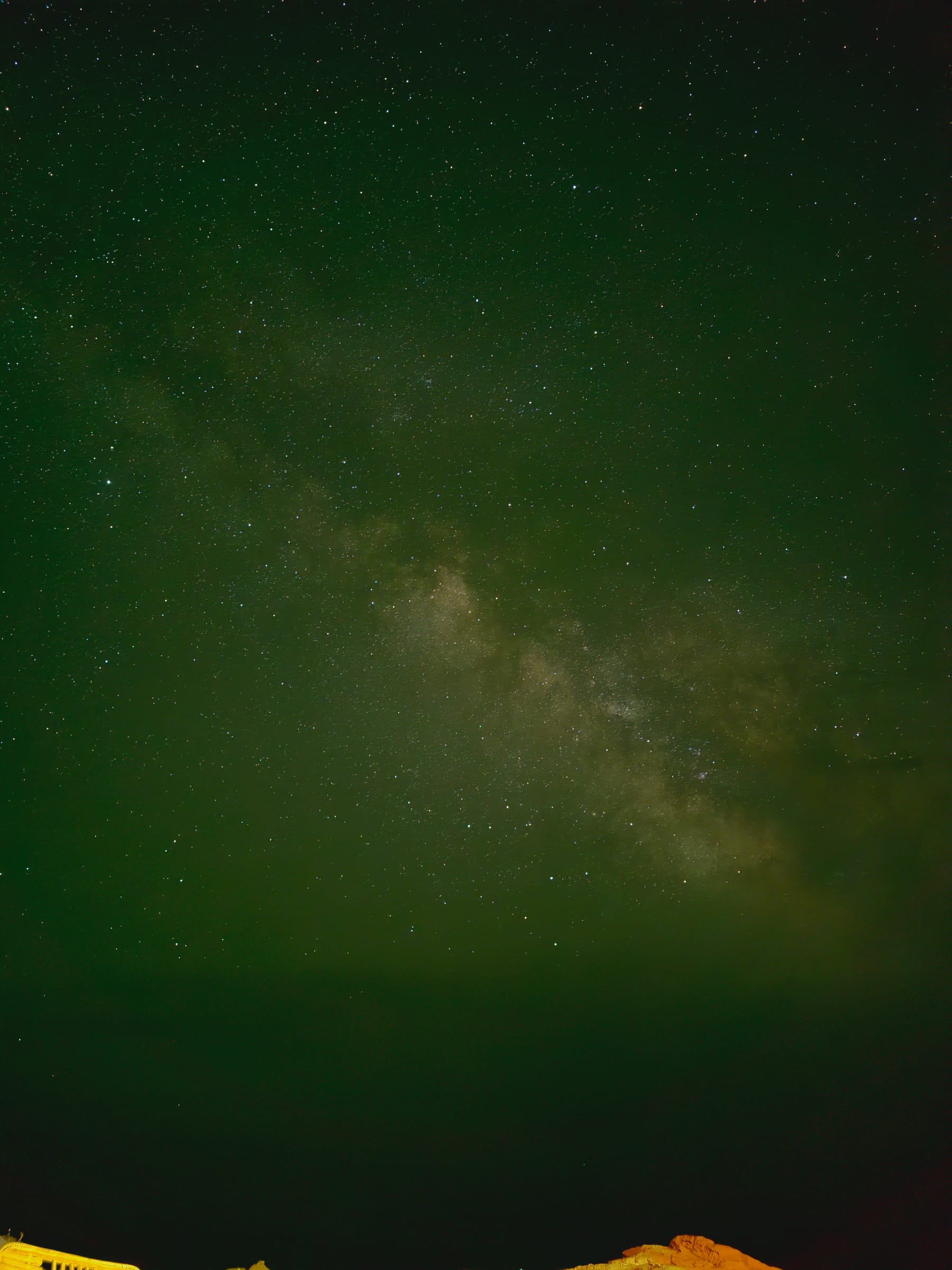
- Dance under a sky so clear you can count the constellations your ancestors knew?
Then Siwa is your place.
It’s not a quick stop. It’s a pilgrimage. And when you leave, you won’t just have photos. You’ll have stories. You’ll have silver. You’ll have the memory of a dance that felt like time stopped.
And that? That’s the kind of travel that changes you.
────────────────Beyond Siwa: Where Else Does Egypt’s Soul Live?
Siwa is special, but Egypt’s cultural threads stretch far. If your journey takes you further, here are places where tradition still breathes:
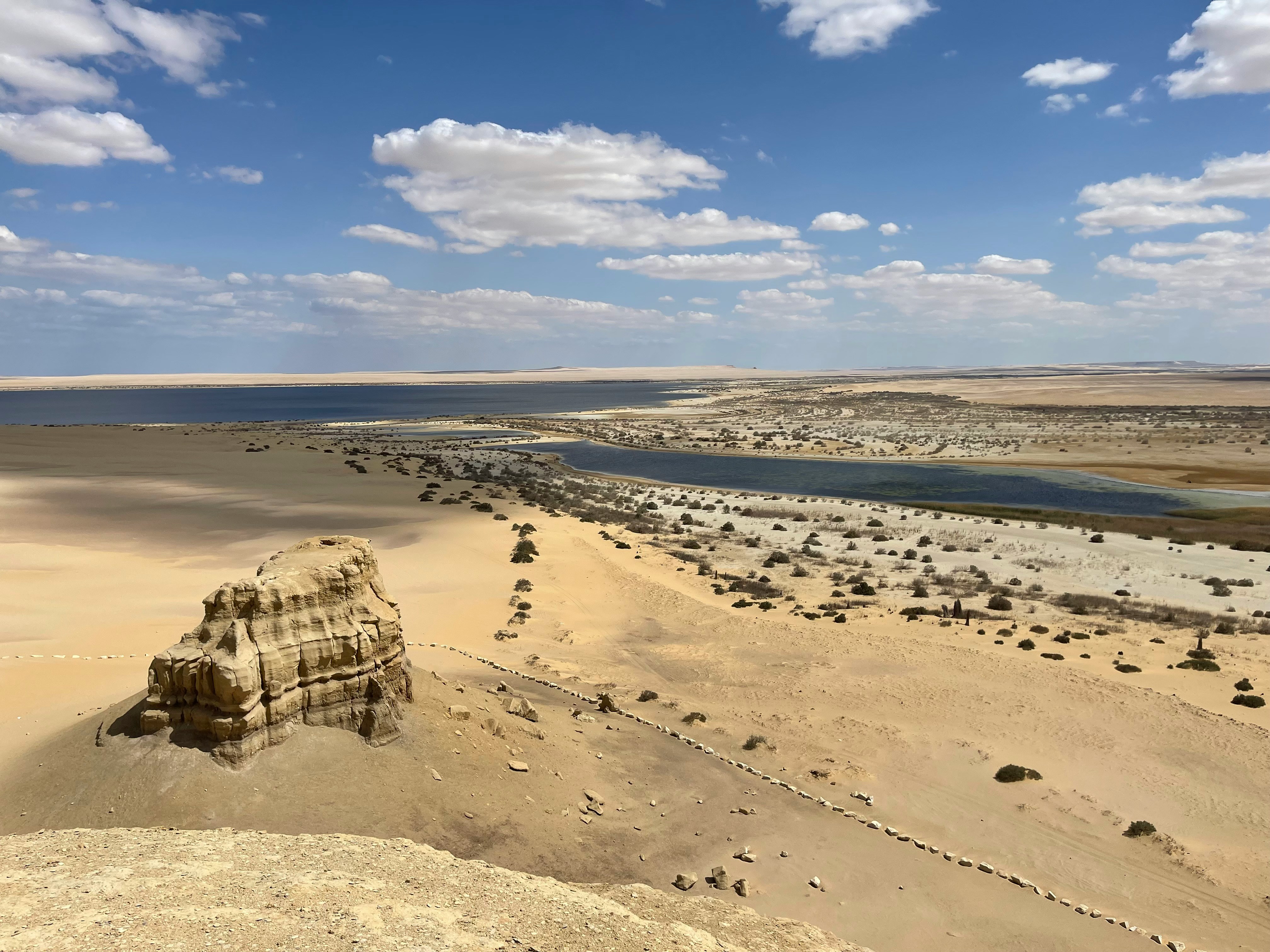
- Fayoum Oasis: Just 2 hours from Cairo, this oasis is where ancient crocodile cults met Greco-Roman scholars. The Valley of the Whales (UNESCO) holds fossils from 40 million years ago. And the Magic Lake shimmers with healing waters. It’s a place where science and legend dance together. Bodda Tours offers a Fayoum day trip from Cairo that includes the Valley of the Whales, Magic Lake, and the artisan village of Tunis—where pottery is still made by hand the way it was 3000 years ago.
- Nubian Villages (Aswan): The Nubians have lived along the Nile for millennia. Their music, their weaving, their hospitality are unmatched. Visit a Nubian home in Gharb Soheil or Elephantine Island. Sit on a carpet, sip hibiscus tea, and listen to songs sung in a language that predates Arabic. Bodda Tours’ Aswan tours include visits to Nubian villages and storytelling sessions with elders who’ve memorized epic poems about Ramses II.
- Deir el-Medina (Luxor): This was the village of the tomb builders. The workers who carved the Valley of the Kings. Their homes, their tombs, their graffiti on the walls tell the story of daily life in ancient Thebes. The women here once wore silver rings engraved with the names of their lovers—just like Siwa’s brides do today. Bodda Tours’ Luxor tours include private visits to this lost village, where you can walk the same paths as the men who built eternity.
Each of these places carries a thread of the same story: Egypt’s soul is alive in its people, not just its stones.
────────────────Why Choose Bodda Tours for Siwa’s Silver & Soul
I know Siwa better than most. I grew up in Cairo, but my grandmother’s family came from Siwa. I’ve sat in Agurmi’s souk, drunk mint tea with silversmiths, and danced under the stars in Bahi El Din. I know the shortcuts. I know the sacred spots. I know which elders to ask for stories.
And I know how to make Siwa feel like your place—not a checklist on a tour bus.
Here’s why travelers who book with Bodda Tours leave Siwa changed:
- No shared buses, no cramped seats—just you and the desert: Bodda Tours’ Siwa Oasis private tour means a 4x4 jeep, a driver who knows the backroads, and a guide who speaks Korean and English fluently. No tuktuk "safaris" that are a scam—just real vehicles with real drivers who’ve been navigating these dunes for decades.
- Korean-speaking guides mean zero language barrier: I’ve seen travelers struggle in Siwa because they didn’t speak Arabic or English well. With Bodda, your guide explains the silver symbols, translates the wedding chants, and helps you navigate the souk without confusion. It’s not just translation—it’s connection.
- Access to the real Siwa, not the tourist version: Most tours take you to the Pyramid of Siwa or the Temple of Amun ruins. But Bodda’s Siwa Oasis private tour includes a visit to a working silversmith workshop where you can watch silver being hammered. It includes a traditional henna night with Siwan women. It includes a sunset at Cleopatra’s Spring where the water still feels like magic.
- Flexible, not fixed: Want to spend an extra hour with Moustafa the Smith? We’ll arrange it. Want to join a local wedding dance? We’ll find a family who welcomes guests. Want to photograph the salt lakes at golden hour? We’ll make it happen. Bodda Tours doesn’t do rigid itineraries. We do your journey.
- No scams, no surprises—just honest service: Some operators in Siwa sell ‘tuktuk safaris’ that are just a tuktuk ride to a fake Bedouin camp. Bodda uses real 4x4 jeeps, real drivers, and real experiences. We don’t mark up tickets. We don’t charge hidden fees. What you see is what you pay.
- Compensation guarantee: If something goes wrong—if a driver is late, if a guide cancels, if the desert wind strands us—Bodda makes it right. We’ve had guests miss flights due to delays. We’ve had cars break down. We’ve had weather turn. And in every case, we’ve compensated the guest or rescheduled at no extra cost. Because your time and trust matter.
I don’t run Bodda Tours like a business. I run it like a promise to my grandmother. To the Siwan elders who taught me stories. To the travelers who come to Egypt looking for something real.
Siwa isn’t a place you visit. It’s a place you experience. And Bodda Tours makes sure you leave with more than photos. You leave with silver. You leave with stories. You leave with the memory of a dance that made you feel like part of something ancient and alive.
────────────────Ready to Step Into Siwa’s Silver and Dance?
I don’t know where you’re reading this. Maybe you’re scrolling on a train in Seoul. Maybe you’re nursing a mint tea in a Cairo café. Maybe you’re sitting under a fan in your apartment, dreaming of desert winds and silver songs.
But if you’re here, it’s because Siwa called to you. And I get it. I felt the same pull the first time I held a Siwan silver crescent in my hand.
So let’s make it happen.
Reach out anytime. Day or night. I’m here to help you plan a journey that isn’t just a trip—it’s a transformation.
Contact Bodda Tours today to step into Egypt’s living soul
- WhatsApp: wa.me/201040541153
- KakaoTalk: open.kakao.com/o/smU92Hfi
- Email: info@boddatours.me
- Website: boddatours.me
And when you arrive in Siwa? Ask for me. I’ll be the one buying mint tea from the same shop as my grandmother did. The one pointing you to Moustafa the Smith. The one who knows the best spot to watch the wedding dance under the stars.
Let’s make some memories together.
────────────────Sources & References
- UNESCO World Heritage Centre: Siwa Oasis — Context on Siwa’s cultural landscape and ancient sites.
- Wikipedia: Siwa Oasis — General overview of geography, history, and culture.
- Egyptian Ministry of Tourism: Berber Cultural Heritage in Siwa — Official documentation on Siwan traditions and crafts.
- British Museum: Siwan Silver Collection — Examples of Siwan silver jewelry and their symbolic meanings.
- Egypt Tours Portal: Siwa Experiences — Tourist-facing overview of activities in Siwa.


![[2026 Egypt Tours] Siwa Oasis Private Tour (Desert Safari & History)](https://boddatours.me/images/hq/milky-way-hq.jpg)