![[2026 Egypt Tours] Saqqara Step Pyramid & Memphis (Egypt History Tour)](https://boddatours.me/images/fallback-post.png)
Saqqara Step Pyramid & Memphis: Where Egypt's Story Begins (Egypt History Tour)
You know those moments when you stand somewhere, and it feels like the very air hums with the echoes of millennia? That's Saqqara for me. It’s not just a place; it’s the cradle of Egyptian civilization, the very spot where the idea of building monumental stone structures took root. If you're looking for a deep dive into Egypt's incredible past, beyond the usual Giza crowds, Saqqara and the ancient site of Memphis are where your journey truly begins. I've spent countless hours exploring these grounds, and each visit still brings a fresh sense of awe.
When people ask me about the foundational steps of Egyptian history, I always point them to Saqqara. It’s here that the genius of Imhotep, a vizier and architect for Pharaoh Djoser, transformed our understanding of what was possible. He wasn't just building a tomb; he was creating a statement, a city of the dead that would inspire pyramids for centuries to come. This isn't just about seeing old stones; it’s about feeling the sheer audacity and innovation of a civilization that laid the groundwork for so much of what we know today. This is what a true Egypt history tour should feel like.
────────────────The Birth of the Pyramid: Djoser's Masterpiece at Saqqara
Imagine a time when the grand pyramids of Giza were just a distant dream. Now, picture yourself standing before the world’s first colossal stone structure: the Step Pyramid of Djoser at Saqqara. It’s a feeling of pure wonder, like stepping onto the very blueprint of architectural ambition. I remember my first time seeing it, even after seeing so many pictures. The scale, the ingenuity, the sheer audacity of it… it’s breathtaking.
The Step Pyramid isn't just a pile of rocks; it's a complex, a city of stone designed to house and protect Pharaoh Djoser in the afterlife. Built around 2667–2648 BC during the Third Dynasty, it’s a testament to the revolutionary vision of its architect, Imhotep. He conceived of stacking mastabas (flat-topped, rectangular tombs) of decreasing size on top of each other, creating the iconic stepped silhouette. This wasn't just a tomb; it was a symbolic representation of the primeval mound that Egyptians believed emerged from the waters of chaos at the beginning of creation. It’s a profound concept, isn't it? Standing there, you can almost feel the weight of that ancient belief.
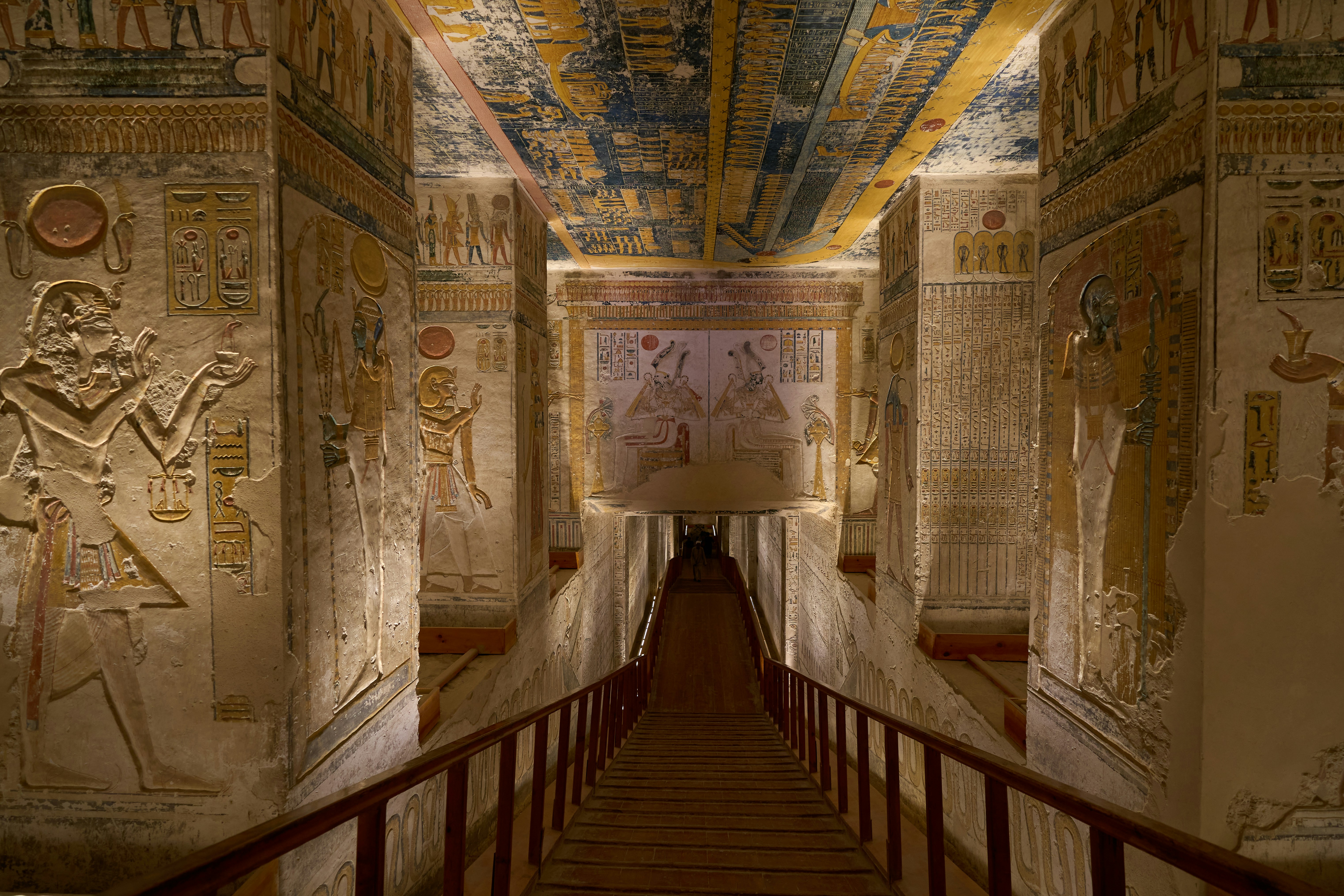
The complex itself is vast, encompassing courtyards, temples, and chapels, all enclosed by a massive limestone wall. The funerary temple, the courtyards where rituals would have taken place, the subterranean chambers – it all speaks to a highly organized and deeply spiritual society. The detailed carvings on the walls, though often weathered by time, still offer glimpses into the daily life and religious beliefs of the Old Kingdom. Seeing these delicate details, so many thousands of years later, is an incredibly moving experience. This is why I love offering Saqqara tours to travelers who want to go beyond the surface.
One of the most fascinating aspects of the Saqqara complex is the surrounding necropolis. This vast burial ground served the ancient Egyptian capital for thousands of years, holding tombs of pharaohs, nobles, and officials. As you wander through the site, you'll encounter numerous smaller pyramids, mastabas, and burial shafts, each with its own story to tell. The sheer density of archaeological treasures here is astounding. It’s a place where every corner turned reveals another piece of Egypt’s complex past.
For anyone interested in the evolution of monumental architecture and the dawn of Pharaonic power, Saqqara is an absolute must-see. It’s where the pyramid, the most iconic symbol of ancient Egypt, was born. And understanding this genesis is key to appreciating the later, even grander structures like those at Giza. This is the foundation of your Egypt history tour.
────────────────Memphis: The Mighty Capital of Ancient Egypt
Just a short drive from Saqqara lies the ancient city of Memphis. While Saqqara feels like a city of the dead, Memphis was the vibrant, beating heart of Egypt for nearly a thousand years. It was the first capital of the unified Egypt, founded by King Menes (or Narmer) around the 31st century BC. Imagine that – the very place where Upper and Lower Egypt were brought together, marking the dawn of dynastic rule. The significance of Memphis can’t be overstated; it was a political, religious, and administrative center that shaped the course of Egyptian history.
Today, Memphis is an open-air museum, a sprawling archaeological park that allows you to walk among the remnants of its former glory. The most striking feature you'll encounter is the colossal statue of Ramesses II, lying prostrate on its back. It’s an incredible sight, giving you a true sense of the immense scale of art and statuary that once adorned this city. Standing next to it, you feel incredibly small, dwarfed by the power and artistry of the New Kingdom pharaohs.
Beyond the Ramesses II statue, the site boasts a beautiful alabaster sphinx, one of the largest and finest examples ever discovered. Its serene expression and intricate details are captivating. You can also see fallen colossi of other kings and queens, as well as stelae and architectural fragments that hint at the grandeur of the temples and palaces that once stood here. It’s a place that requires a bit of imagination to reconstruct its former splendor, but that’s part of the magic, isn’t it? Trying to envision the bustling streets, the magnificent temples, the vibrant life of this ancient metropolis.
Memphis was also a major religious center, particularly dedicated to the god Ptah, the creator god and patron deity of craftsmen. The Temple of Ptah was one of the most important religious complexes in Egypt, and its influence extended far beyond the city itself. The city's name, Men-nefer, meaning 'enduring beauty,' reflects its long-lasting importance in the Egyptian consciousness.
Visiting Memphis is like piecing together a magnificent puzzle. You see the scattered fragments of a once-mighty empire, and with a little guidance, you can begin to understand the scale and impact of this ancient capital. It’s a crucial stop for anyone seeking to grasp the full sweep of Egyptian history. This is what a comprehensive Fayoum Oasis tour wouldn’t include, but a dedicated history tour absolutely should.
────────────────Why Saqqara and Memphis Matter for Your Egypt History Tour
So, why dedicate time to Saqqara and Memphis when the Pyramids of Giza are so famous? Because these sites offer a deeper, more fundamental understanding of Egyptian civilization. Saqqara is where the architectural revolution began, the very genesis of the pyramid. Memphis is where the unified kingdom found its first strong footing, the bedrock of its administration and religious life. Together, they provide context that makes the later wonders of Egypt even more awe-inspiring.
These sites allow you to trace the evolution of Pharaonic power, religious beliefs, and architectural innovation. You see the progression from the step pyramid to the smooth-sided pyramids, and you understand the socio-political forces that shaped these monumental achievements. It’s about connecting the dots across thousands of years of history.
For travelers who crave a profound connection with the past, who want to understand the 'why' behind the 'what,' these ancient sites are indispensable. They offer a quiet contemplation, a chance to reflect on the enduring legacy of one of the world’s greatest civilizations. It's this depth that I aim to provide on my private Egypt tours, moving beyond the typical tourist trail to uncover the real stories.
When you visit Saqqara, you're not just seeing an ancient tomb; you’re witnessing the birth of an architectural idea that would define Egypt for millennia. When you stand amidst the ruins of Memphis, you're walking where kings and queens ruled, where priests worshipped, and where the very identity of Egypt as a unified nation was forged. This is the essence of a true Egypt history tour.
────────────────Practical Tips for Visiting Saqqara and Memphis
To make the most of your visit, here are a few things to keep in mind. The best time to visit is generally during the cooler months, from October to April. The desert sun can be intense, so always wear a hat, sunglasses, and apply sunscreen generously. Comfortable walking shoes are a must, as you’ll be doing a lot of exploring. Light, breathable clothing is also essential. Remember to bring plenty of water; staying hydrated is key.
Respectful attire is appreciated. While Egypt is generally quite tolerant, dressing modestly, covering your shoulders and knees, shows respect for the local culture and the sacredness of these historical sites. You’ll find that locals are very welcoming when you show this consideration.
Getting to Saqqara and Memphis from Cairo is straightforward, especially with private transport. They are located south of Cairo, and a private car can take you there directly. This is where the convenience of a private Egypt tour really shines. You avoid the hassle of public transport and can focus entirely on the experience. A typical visit to Saqqara and Memphis can take anywhere from half a day to a full day, depending on how deeply you wish to explore each site.
I always recommend having a knowledgeable guide with you. The sheer scale and historical complexity of these sites can be overwhelming. A good guide can bring the ruins to life, explaining the significance of different structures, recounting the stories of the pharaohs, and pointing out details you might otherwise miss. This is especially true for the often-overlooked but incredibly important ancient capital of Memphis.
Is it worth visiting Saqqara and Memphis? Absolutely, yes. For anyone who wants to understand the deep historical roots of Egypt, these sites are non-negotiable. They offer a profound connection to the very foundations of one of the world's most enduring civilizations. It’s a journey back to the dawn of history, a chance to walk in the footsteps of giants. These are the kind of experiences that make a trip to Egypt truly unforgettable, far beyond just seeing a few famous monuments.
────────────────Why Choose Bodda Tours for Your Egypt History Tour
When you’re looking to truly understand Egypt, not just see it, you need a guide who knows the land and its stories intimately. That’s where Bodda Tours comes in. I started Bodda Tours because I wanted travelers to experience Egypt the way I do – with respect, curiosity, and a deep appreciation for its incredible history and culture. We are not just a tour company; we are your local friends, here to share our homeland with you.
100% Private Tours, Zero Compromises: Forget crowded buses and fixed itineraries. With Bodda Tours, every tour is exclusively yours. This means we travel at your pace, we focus on what interests you most, and you enjoy unparalleled comfort in our private, air-conditioned modern vehicles. Door-to-door service is standard, so you don't have to worry about anything.
Local Expertise, Real Connection: I'm Bodda, an Egyptian born and raised in Cairo. I know this country like the back of my hand. We offer Korean-speaking local guides who don’t just speak the language but also understand the nuances of Egyptian history and culture, ensuring clear communication and a richer experience for our Korean travelers. This is a huge advantage, cutting through any potential language anxiety.
No Scams, No Surprises: We are committed to transparent, honest service. All our tours are verified, and we guarantee no hidden fees or unexpected charges. This commitment to honesty is why many travelers choose us over larger platforms or random guides.
Authentic Experiences, Not Imitations: In places like Siwa Oasis, some operators offer fake tuktuk 'safaris.' At Bodda Tours, we believe in authenticity. For desert adventures, we only use real 4x4 jeeps with professional drivers. We provide verified tours only, ensuring your safety and enjoyment.
Direct Service, Better Value: We are not a middleman or a reseller. You are booking directly with us, a local Egyptian team who genuinely cares about your experience. This direct connection means no agent markups and no commission fees, ensuring you get the best value for a premium experience.
Flexibility for Your Interests: Whether you’re passionate about photography, eager to explore local cuisine, or want to spend extra time shopping, we can customize your itinerary. Your trip, your rules. We can also share recent guest reviews upon request, so you can see firsthand the positive experiences others have had.
We Make It Right: If anything unexpected happens or a delay occurs, Bodda Tours stands by its commitment to make it right, and we provide compensation when necessary. Your peace of mind is our top priority.
Choosing Bodda Tours means choosing a personal, authentic, and comfortable journey through Egypt’s incredible history and landscapes. It’s like traveling with a knowledgeable local friend who has your best interests at heart.
────────────────Ready to Uncover Egypt's Ancient Foundations? Contact Bodda Tours Today
If you're ready to step back in time and explore the profound history of Saqqara and Memphis, or any other wonder Egypt has to offer, I'm here to help you plan the perfect private tour. Let's create an unforgettable journey that goes beyond the ordinary.
- WhatsApp: wa.me/201040541153
- KakaoTalk: open.kakao.com/o/smU92Hfi
- Email: info@boddatours.me
- Website: boddatours.me
Sources & References
- Egyptian Ministry of Tourism and Antiquities. (n.d.). Saqqara Necropolis.
- UNESCO World Heritage Centre. (n.d.). Memphis and its Necropolis – the Pyramid Fields from Giza to Dahshur.
- Wikipedia. (n.d.). Saqqara.
- Wikipedia. (n.d.). Memphis, Egypt.

![[2026 Egypt Tours] Siwa Oasis Honest Review (Desert Safari & History)](https://boddatours.me/images/hq/siwa-salt-lake-hq.jpg)