![[2026 Egypt Tours] Mastaba Tombs of Saqqara (Old Kingdom Secrets)](https://boddatours.me/images/fallback-post.png)
Saqqara's Ancient Whispers: More Than Just Pyramids
Imagine standing where pharaohs and their most trusted officials were laid to rest, thousands of years ago. It’s a feeling that’s hard to describe, a quiet awe that settles over you as you walk among these ancient structures. This isn't just looking at old stones; it’s stepping into a moment frozen in time, a testament to a civilization that shaped so much of our world.
When people think of ancient Egypt, they often picture the grand pyramids of Giza, and rightly so. But the story of Egypt's burial practices, and the incredible artistry involved, goes much deeper. It stretches back to the earliest days of dynastic rule, to a time when the concept of eternity was being meticulously crafted in stone. This is where the mastabas come in. These impressive structures, predating the iconic pyramids, offer a profound glimpse into the beliefs, social hierarchy, and daily lives of the Old Kingdom elite. If you're looking for a truly immersive Egypt history tour, understanding these tombs is essential.
I've always been fascinated by the sheer ingenuity of the ancient Egyptians. They didn't just build tombs; they built eternal homes, filled with everything they believed they’d need in the afterlife. And the mastabas at Saqqara are some of the oldest and most significant examples of this practice. They tell stories of power, faith, and a society deeply connected to the divine. For anyone planning an Egypt tour, especially one focused on history, a visit to Saqqara is an absolute must. It’s a place that truly connects you to the heart of ancient Egyptian civilization.
────────────────The Majesty of Mastabas: Old Kingdom's First Grand Tombs
The feeling you get when you first see a mastaba is one of solid, enduring presence. Unlike the sharp, soaring lines of later pyramids, mastabas are broad, rectangular structures with sloping sides, built from mudbrick or stone. They literally mean 'bench' in Arabic, which is a fitting description for their shape. But don't let their simple form fool you. Inside these massive edifices lie intricate burial chambers and beautifully decorated chapels, revealing the complex rituals and beliefs of the Old Kingdom's most important figures.
These weren't tombs for everyone, of course. Mastabas were the exclusive domain of royalty, high officials, nobles, and priests. They represent the earliest forms of monumental royal and elite burial in Egypt, emerging during the Early Dynastic Period (c. 3100–2686 BCE) and reaching their zenith during the Old Kingdom (c. 2686–2181 BCE). Before the Step Pyramid at Saqqara, which itself evolved from a mastaba, these were the dominant architectural expressions of the desire for eternal life. They are the foundation upon which later, even more famous, structures were built.
The development of the mastaba is a crucial part of understanding the evolution of Egyptian architecture and religious thought. Initially, they were relatively simple. Over time, they became incredibly complex, with multiple underground chambers for the burial and offerings, and above-ground chapels where living relatives could leave offerings and perform rituals. The decoration of these chapels is what truly brings them to life. Hieroglyphs and intricate reliefs depict scenes of daily life, religious ceremonies, and the deceased enjoying their eternal afterlife. It’s like looking through a window into a world long gone.
When I guide visitors through Saqqara, I always emphasize that these tombs are not just about the death of the individual. They are about the perpetuation of life, the continuity of the cosmos, and the intricate relationship between the living and the dead. The meticulous planning, the skilled craftsmanship, and the deep spiritual conviction behind each mastaba are awe-inspiring. It's a powerful reminder of how much we still have to learn from these ancient builders and thinkers. For travelers interested in truly understanding ancient Egyptian society, exploring the mastabas is an unparalleled experience, offering a different, yet equally profound, perspective compared to the grander pyramids. It’s a key part of any comprehensive private Egypt tour focusing on history.
────────────────Saqqara: The Necropolis of Memphis and its Royal Secrets
The feeling of stepping onto the Saqqara plateau is like entering a sacred space, a vast, silent city dedicated to the afterlife. It’s an immense archaeological site, a sprawling necropolis that served as the burial ground for the ancient Egyptian capital of Memphis. For over three millennia, Saqqara was the primary burial ground for pharaohs, queens, nobles, and officials of the Old Kingdom, and later periods as well. This makes it an incredibly rich tapestry of Egyptian history, with layers upon layers of tombs and monuments.
The star attraction at Saqqara is undoubtedly the Step Pyramid of Djoser, designed by the brilliant architect Imhotep. This groundbreaking structure, built around 2670 BCE, is considered the earliest colossal stone building in Egypt and the first pyramid. It started as a traditional mastaba and was expanded in stages to become a six-stepped pyramid. It’s a pivotal monument, a clear precursor to the smooth-sided pyramids of Giza, and it stands as a testament to the innovative spirit of the Third Dynasty. Seeing it for the first time is a truly special moment, a tangible link to the dawn of pyramid building.
But Saqqara is so much more than just Djoser’s pyramid. Surrounding it are numerous other mastabas belonging to members of the royal family and high-ranking officials. These mastabas, many dating from the Fourth and Fifth Dynasties, are incredibly important for our understanding of Old Kingdom burial customs and societal structure. They often contain beautifully preserved reliefs and inscriptions that provide invaluable information about religious beliefs, administration, and everyday life.
One of the most significant mastabas is that of Ti, a Fifth Dynasty official who held important titles related to agriculture and royal administration. The tomb of Ti is renowned for its incredibly detailed and lively reliefs, which depict scenes of farming, fishing, animal husbandry, and funerary rituals. These images are so vivid, they almost seem to leap off the walls, offering an intimate look at the activities that sustained ancient Egyptian society. Another notable mastaba is that of Ptahhotep, a vizier during the Fifth Dynasty, whose tomb contains wisdom literature that has survived through the ages.
The sheer scale of Saqqara is breathtaking. It’s a vast necropolis, and you could spend days exploring its many tombs and temples. From the early mastabas to the later structures, it offers a chronological journey through Egypt’s Old Kingdom. For anyone seeking to delve deep into the foundations of Egyptian civilization, Saqqara is an essential destination. It’s a place where history isn't just written; it's etched in stone, waiting to be discovered. It’s why I always make sure it’s a highlight on our Egypt history tours.
────────────────Inside the Mastaba: A Glimpse into the Afterlife
The feeling of entering a mastaba’s inner chambers is one of hushed reverence. It’s like stepping into a carefully preserved world, designed not just for burial, but for the continuation of life in the hereafter. These tombs were elaborate and sophisticated, reflecting a deep understanding of ritual and the perceived needs of the deceased in the afterlife.
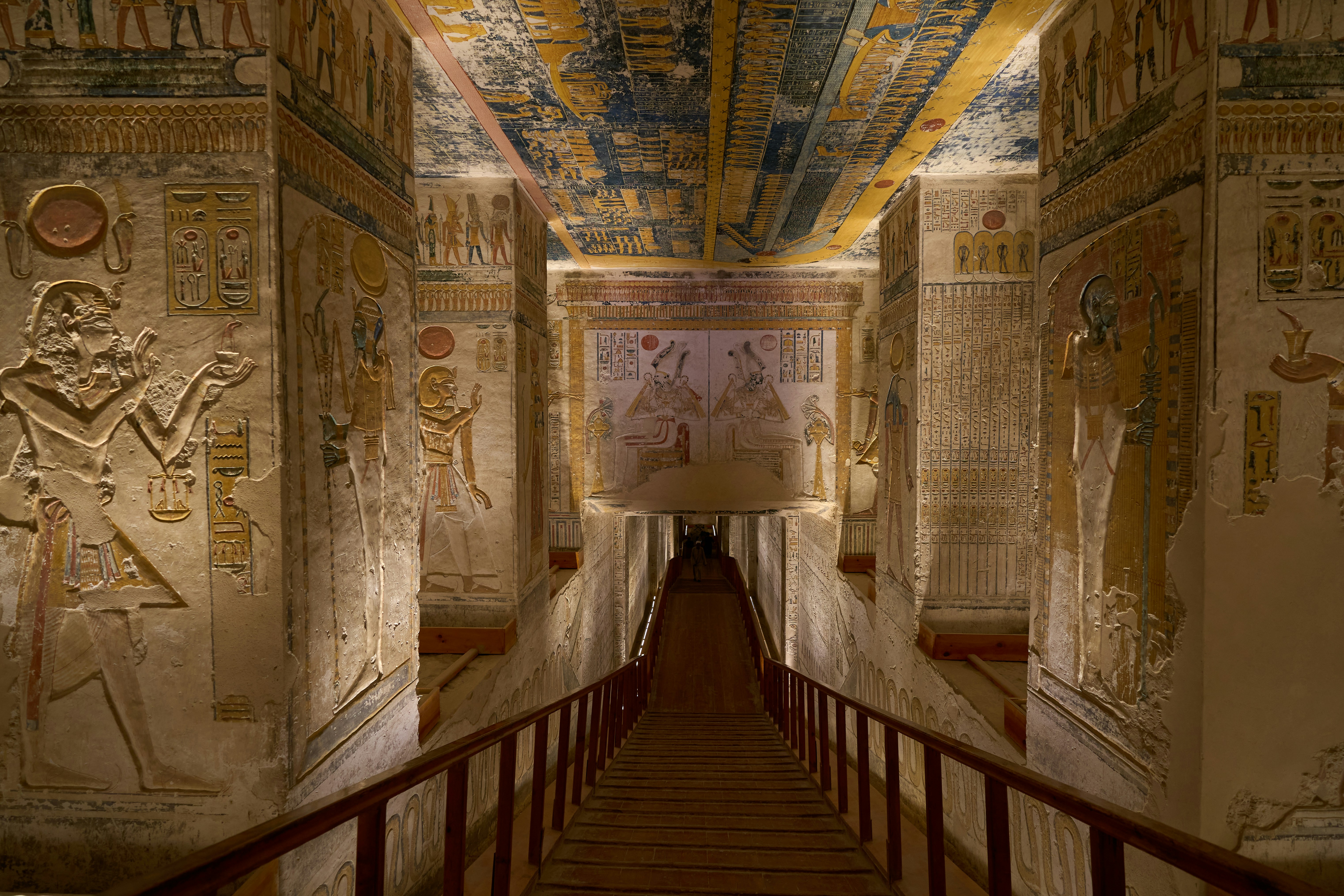
At its core, a mastaba consisted of two main parts: an above-ground superstructure and an underground burial chamber. The superstructure, the ‘bench’ we see today, housed a chapel or chapels where priests and family members could leave offerings for the deceased. These chapels were often richly decorated with reliefs and inscriptions. These decorations served several purposes: they honored the deceased, depicted scenes that the deceased would enjoy in the afterlife (like feasting or hunting), and provided magical spells and prayers to ensure their safe passage and eternal sustenance.
The underground complex was even more elaborate. It typically included a shaft leading down to the burial chamber, where the sarcophagus containing the mummy was placed. There were also often subsidiary chambers for storing grave goods, furniture, food, and other provisions that the deceased would need in the next world. The construction was designed to be secure, to protect the body and the treasures within from grave robbers. The sheer effort and resources poured into these tombs highlight the immense importance placed on the afterlife.
The reliefs and inscriptions found within mastabas are a treasure trove of information. They depict everything from agricultural scenes, banquets, and hunting expeditions to religious rituals and the journey to the underworld. These images are not merely decorative; they are functional, magically ensuring that the deceased would continue to experience these activities forever. For example, depictions of abundant food were believed to magically provide sustenance. The hieroglyphic inscriptions often included prayers, biographical details, and titles of the deceased, solidifying their status and ensuring their name would be remembered.
When I walk through these chambers with travelers, I try to bring the scenes to life. I explain the symbolism, the stories behind the images, and the beliefs that drove their creation. It’s incredible to see the moment of understanding dawn on someone’s face as they grasp the depth of ancient Egyptian thought. For those seeking a profound connection with the past, exploring the interior of these mastabas on a private Egypt tour is an experience that stays with you long after you leave. It’s a window into the soul of ancient Egypt.
────────────────Beyond the Pyramids: Why Saqqara is Essential for Your Egypt Tour
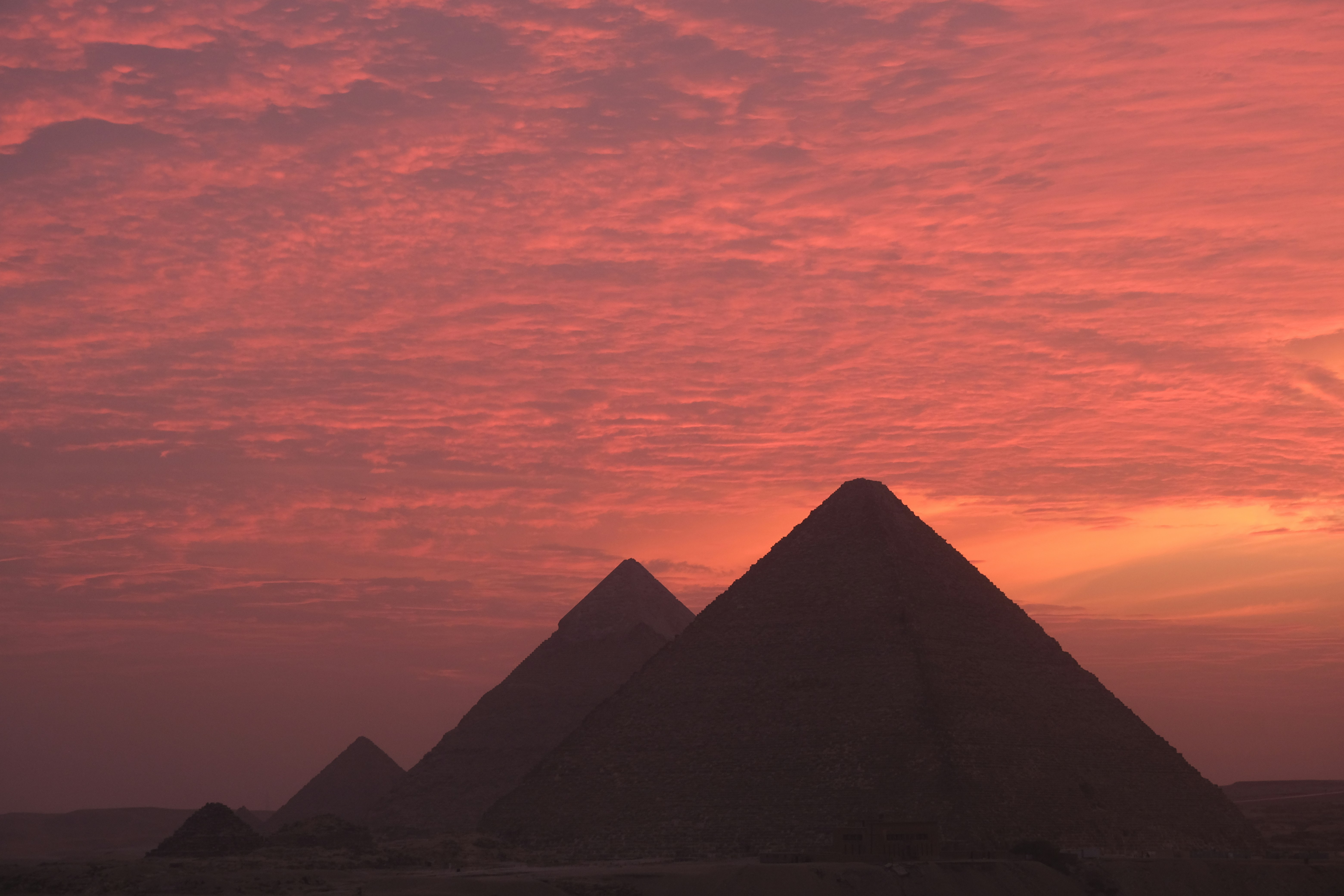
You might be thinking, “I’m coming to Egypt, I have to see the Pyramids of Giza.” And yes, you absolutely do! They are magnificent and iconic. But if you want to truly understand the evolution of Egyptian monumental architecture and the foundations of their beliefs about eternity, Saqqara is non-negotiable. It’s where the story of pyramid building begins, and where the legacy of the Old Kingdom is so vividly preserved.
The feeling of discovery at Saqqara is immense. It's less crowded than Giza, allowing for a more intimate and reflective experience. You can walk through the ancient causeways, stand before the Step Pyramid, and descend into beautifully decorated mastabas, imagining the lives of the people buried there. It's a place where the whispers of history are clearer, where you can almost feel the presence of the ancient Egyptians who walked these grounds millennia ago.
For those interested in the nuances of Egyptian history, Saqqara offers a depth that complements the grandeur of Giza. It shows the progression of ideas, the development of technology, and the enduring power of religious conviction. It's a place where you can see the direct lineage from the earliest mastabas to the iconic pyramids.
When planning your Egypt tour, consider how much richer your experience will be by including Saqqara. It’s not just about ticking off another site; it’s about gaining a deeper appreciation for the context and innovation that defined ancient Egypt. It provides a crucial piece of the puzzle, helping you understand the 'why' behind the 'what' of Egyptian civilization. This is especially true when you opt for a private Egypt tour, where you can spend ample time exploring and learning.
I often recommend combining a visit to Saqqara with Dahshur, home of the Red and Bent Pyramids, and Memphis, the ancient capital. This trifecta gives you an incredible overview of early pyramid construction and the heart of Old Kingdom power. It’s a journey through time, offering a comprehensive understanding of this foundational period in Egyptian history. It’s an experience that truly enriches your appreciation for this incredible country.
────────────────Why Choose Bodda Tours for Your Egypt History Adventure?
When you’re planning a trip as significant as visiting Egypt, you want to feel completely taken care of, and that you’re truly experiencing the heart of the country. That’s where I and my team at Bodda Tours come in. We’re not a faceless company; we’re local Egyptians who live and breathe this history, and we’re passionate about sharing it with you in the most authentic and comfortable way possible.
Think about it: you’re coming to explore ancient wonders, places steeped in thousands of years of stories. You want someone who can tell those stories with passion and accuracy, someone who knows the local nuances and can ensure your journey is smooth and stress-free. That’s what we offer. We believe in private Egypt tours because it’s simply a better way to travel. No shared buses, no fixed schedules you can’t change, no feeling rushed. Just you, your companions, and the wonders of Egypt at your own pace.
One thing I always emphasize is our commitment to a genuine local experience. We offer Korean-speaking local guides, which for many of my guests means a world of difference. Clear communication, shared cultural understanding, and the ability to ask all your questions without hesitation. It removes any language anxiety and allows you to fully immerse yourself in the magic of Egypt. It's a connection that goes beyond just translation; it's about understanding.
We also pride ourselves on transparency and trust. There are absolutely no hidden fees, no commission tricks, and no pressure to buy things you don’t want. We use clean, air-conditioned vehicles for your comfort and provide door-to-door service, meaning we pick you up and drop you off exactly where you need to be. This is part of our commitment to being a verified tour operator, ensuring you have a safe and reliable experience from start to finish.
And for those heading to places like Siwa Oasis, please know this: I have ZERO tolerance for fake safaris. Some operators in Siwa try to pass off flimsy tuktuk rides as desert adventures. It's a scam, and it's unsafe. With Bodda Tours, you get real 4x4 jeeps driven by professional drivers for any desert excursions. It’s about safety, authenticity, and giving you the real adventure you’re looking for. We believe in providing direct booking, direct service, because Bodda Tours is run by actual Egyptians who care about your experience, not a reseller looking for a quick profit.
If anything unexpected happens, if there’s a delay or an issue, we make it right. We stand by our service and are committed to ensuring your trip is memorable for all the right reasons. When you choose Bodda Tours, you’re choosing a friend in Egypt who’s dedicated to making your travel dreams a reality, with comfort, authenticity, and care at the forefront.
────────────────Ready to Explore Egypt's Ancient History? Contact Bodda Tours Today
Whether you dream of exploring the intricate mastaba tombs of Saqqara, the vast deserts of Siwa Oasis, the ancient wonders of Luxor, or the vibrant streets of Cairo, Bodda Tours is here to make it happen. We specialize in creating personalized, private tours that allow you to experience Egypt at your own pace, with the comfort and insight only a local can provide. Reach out to us anytime between 07:00-22:00 daily. We're excited to help you plan an unforgettable journey.
- WhatsApp: wa.me/201040541153
- KakaoTalk: open.kakao.com/o/smU92Hfi
- Email: info@boddatours.me
- Website: boddatours.me
Sources & References
- Egyptian Ministry of Tourism and Antiquities Official Website. (n.d.). Saqqara Necropolis.
- UNESCO World Heritage Centre. (n.d.). Memphis and its Necropolis – the Pyramid Fields from Giza to Dahshur.
- Wikipedia. (n.d.). Saqqara. Retrieved from [Insert Wikipedia URL for Saqqara]
![[2026 Egypt Tours] Siwa Oasis Honest Review (Desert Safari & History)](https://boddatours.me/images/hq/siwa-salt-lake-hq.jpg)
![[2026 Egypt Tours] Cairo Cafes & Mint Tea (Local Experience)](https://boddatours.me/images/hq/moez-st-hq.jpg)