![[2026 Egypt Culture Guide] Nile Fishermen Mornings: Life Aboard the Felucca Boats (Aswan & Luxor Stories)](https://boddatours.me/images/hq/luxor-hq.jpg)
Dawn on the Nile: When the River Wakes Up
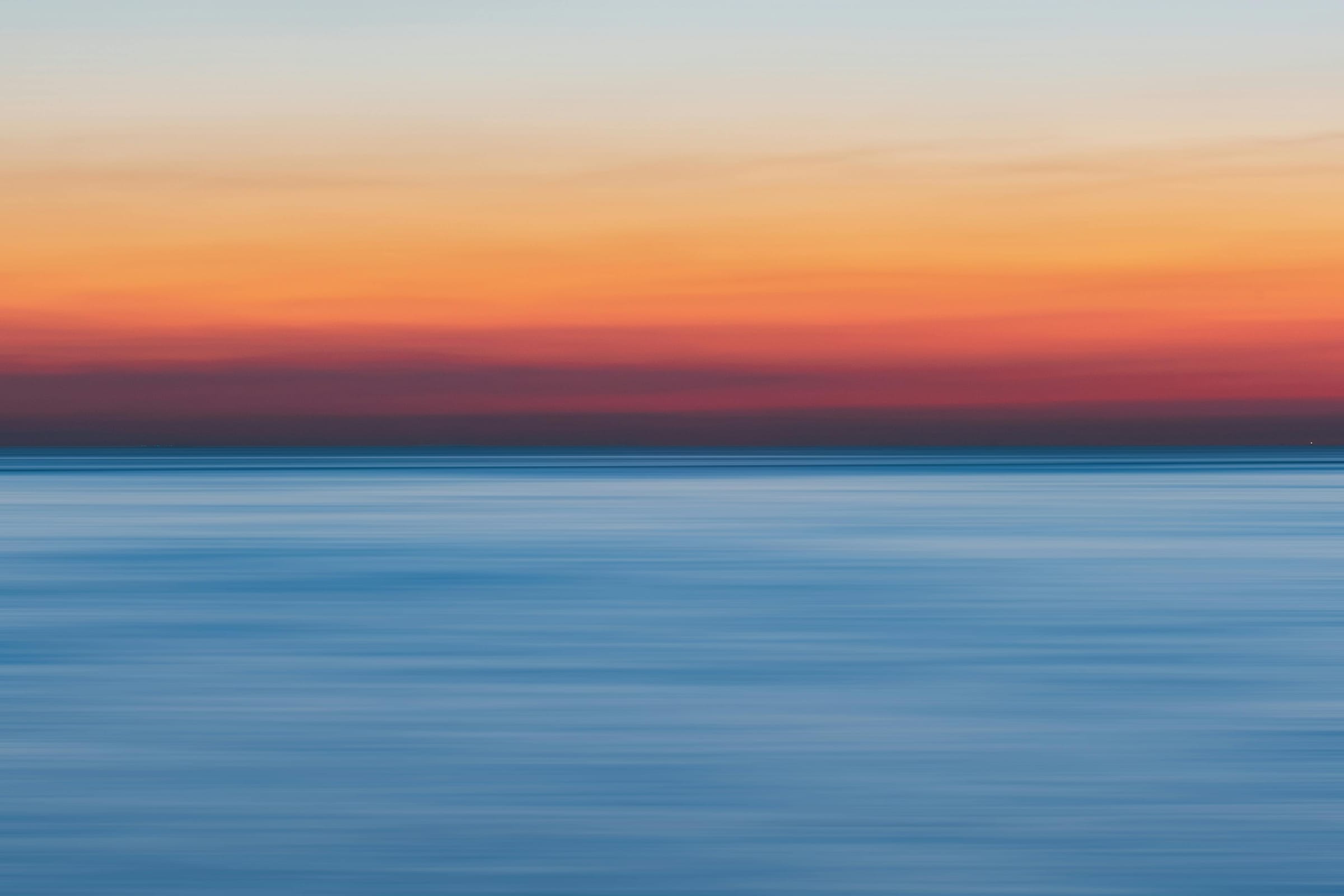
The first light isn’t just golden—it’s electric. It turns the water to liquid bronze, and the air hums with the sound of wooden oars dipping, nets splashing, and voices calling across the current. I’ve woken up this way more times than I can count, always near Aswan or Luxor, where the Nile still feels wild in the best way. It’s not the postcard smile of a tourist boat. It’s the real thing: fishermen in galabeyas hauling in tilapia, kids racing along the banks to sell tea to passing feluccas, and the occasional heron standing motionless like a statue on a sandbar.
The felucca isn’t just a boat—it’s a time machine. The same design has been used for over 5,000 years, passed down through generations of Nubian boatmen who know every current, every hidden sandbar, every safe harbor between Aswan and Luxor. I remember my first morning on one: the oars creak, the sail snaps full with the morning breeze, and suddenly you’re moving slower than you ever thought possible—like the river itself is teaching you patience.
────────────────Nubian Fishermen: The Last Keepers of an Ancient Craft
These men don’t fish for sport. They fish for survival, for tradition, for the pride of feeding entire villages from the Nile’s bounty. I’ve spent hours sitting cross-legged on the deck of a felucca near Aswan with men like Hassan, a third-generation fisherman with hands gnarled from decades of hauling nets. He once told me, "The Nile gives, and the Nile takes. We listen to it like we listen to God."
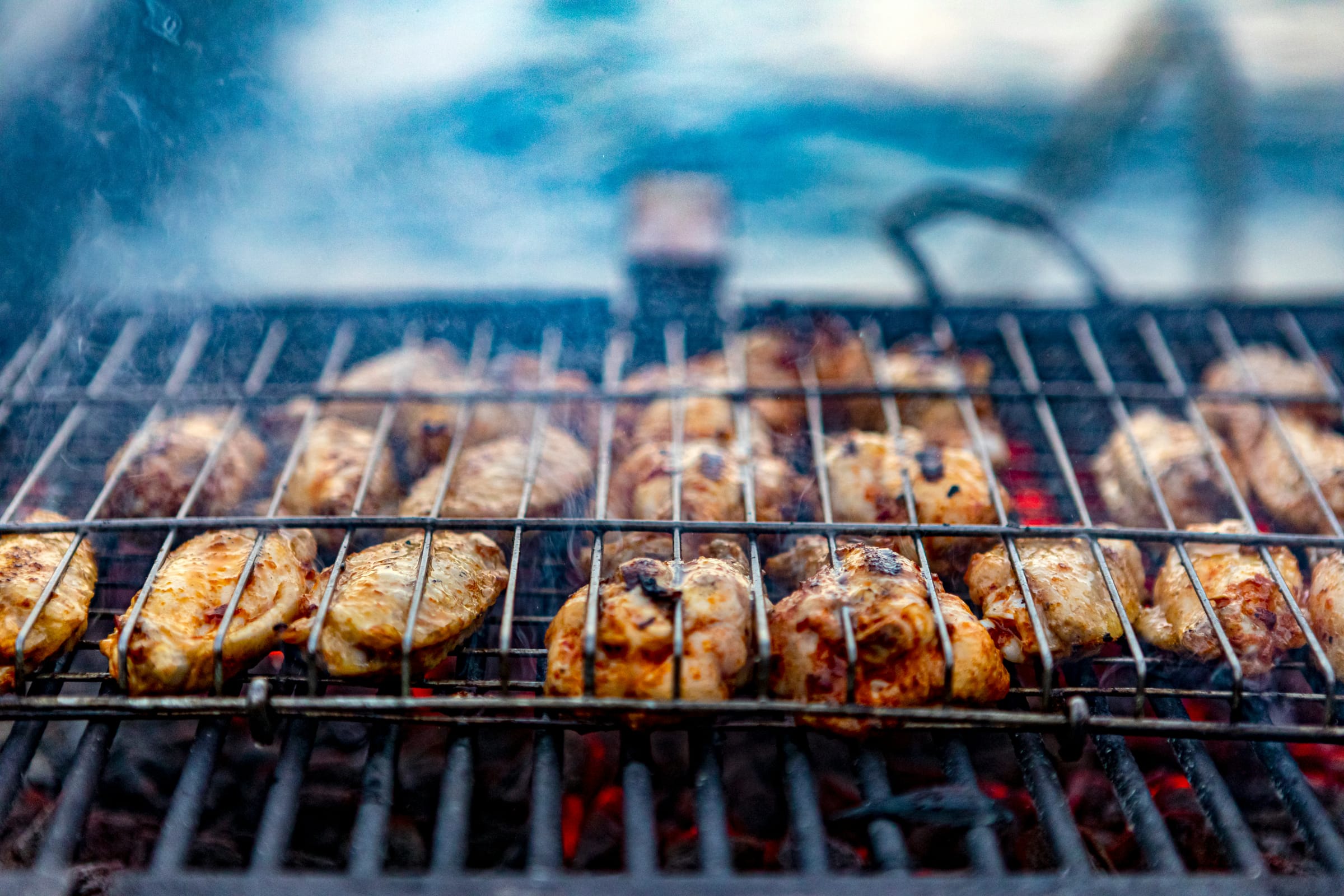
Hassan’s father used to say the same thing. Back in the 1950s, when the Aswan High Dam was still just a dream, the Nile flooded every year, leaving behind rich silt and fat fish. Families would gather along the banks with lanterns at dusk, casting nets into the receding waters. Those floods are gone now—replaced by the steady flow of the dam—but the rhythm remains. The fishermen still rise before sunrise. They still mend their nets by hand. They still eat the fish they catch, grilled over charcoal on the boat’s deck, seasoned only with salt and the sharp green of fresh coriander.
That simple meal is something special. There’s no menu. No chef. Just the river’s gift, cooked where it was caught, eaten with your fingers as the sun climbs higher and the temples of Luxor glow pink on the horizon. Try it once. You’ll understand why this isn’t just breakfast—it’s communion.
────────────────The Felucca Itself: Built for the River, Not for Tourists
A tourist boat has railings and life jackets and plastic chairs bolted to the deck. A real felucca? It’s just wood, rope, and wind. No engines. No distractions. The sail is patched in places where the monsoon winds have worn it thin. The oars are smooth from years of use, lighter than they should be from constant handling. The cabin, if there is one, is just a shaded space where you can lie down and listen to the water lap against the hull.
I remember sailing from Luxor to Aswan on one of these old boats with a group of travelers who’d never been on open water before. Halfway through the day, the wind picked up, and the felucca heeled over sharply. One of the guests panicked—"Are we sinking?"—but the captain just laughed and said, "This is how we know the boat is alive." And he was right. A wooden boat that doesn’t move with the river isn’t a boat worth trusting.
That’s the magic. You’re not just a passenger. You’re part of the rhythm. You learn quickly that the river is in charge here. The wind decides your speed. The current dictates your path. And the fishermen? They don’t fight it. They work with it, like they’ve done for thousands of years.
────────────────Stories Carved into the Water: Legends of the Nile
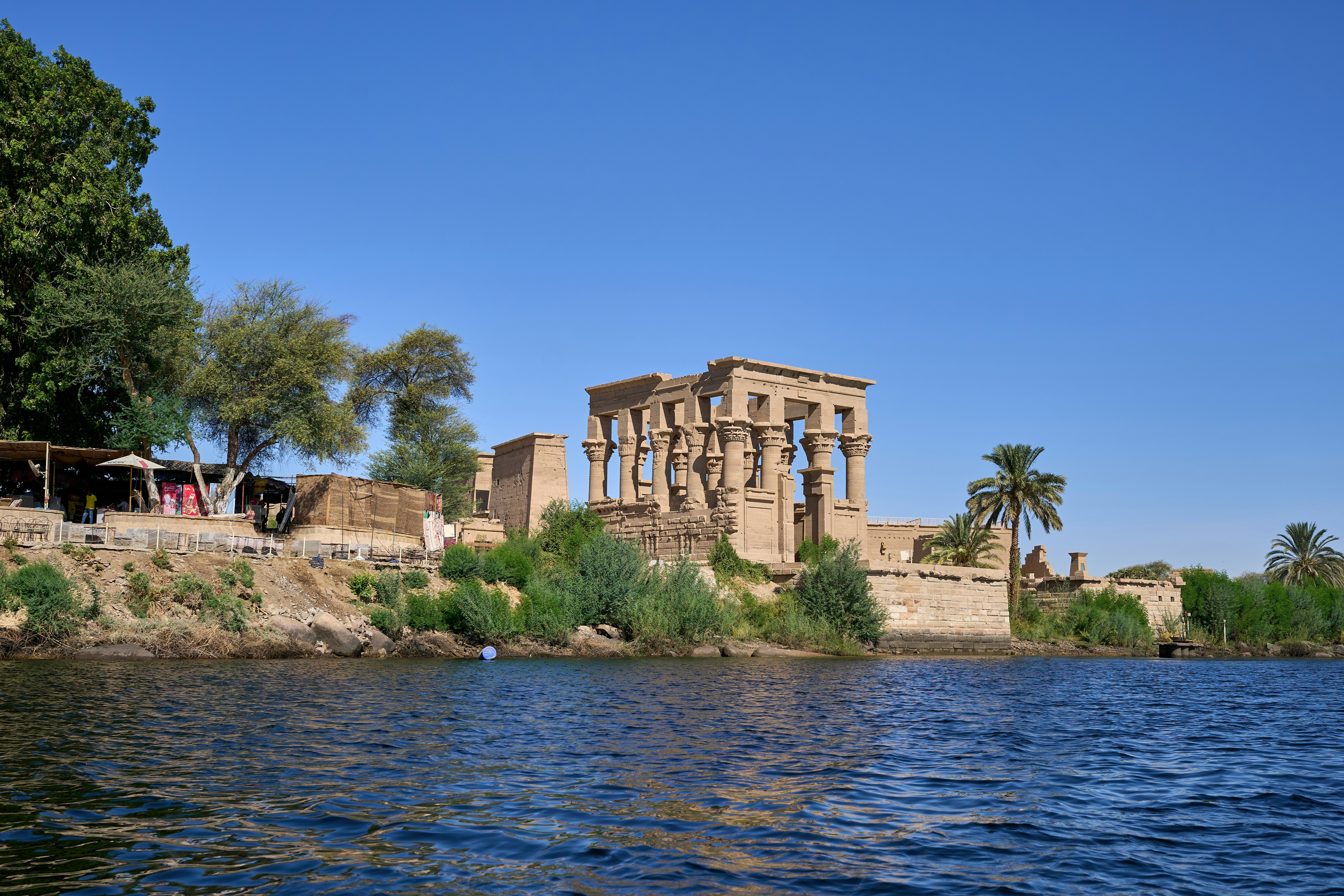
The Nile isn’t just water. It’s a library. Every bend in the river, every temple along its banks, every fishing village has a story attached to it. I’ve heard fishermen in Aswan tell tales of Isis and Osiris, how their tears filled the Nile after Osiris was murdered by Set. They point to Philae Island and say that’s where Isis hid her husband’s body, wrapped in linen, before he rose again. They don’t just recite these stories—they live them. When the river floods, even slightly, they say it’s Osiris weeping for his lost love.
Near Luxor, the stories shift to Hatshepsut and her expedition to Punt. The fishermen there will tell you that the queen’s ships sailed these very waters, returning with gold, myrrh, and incense that still scents the air when the wind blows from the south. They’ll point to the cliffs near Deir el-Bahari and say you can still see the ghost ships if you look closely at dawn.
And then there’s the legend of the crocodiles. Not the touristy "crocodile museum" in Kom Ombo, but the real ones that used to lurk near the old fishing villages. The fishermen say the crocs were sacred to Sobek, the crocodile god, and that they’d only attack if someone harmed the river. Some still whisper about meeting a croc near Aswan at night—just a pair of eyes reflecting the moonlight, then gone without a ripple.
These aren’t just stories for tourists. They’re the glue that holds communities together. When you sail with a local fisherman, you’re not just hearing folklore. You’re hearing history that’s been passed down for generations, unchanged and unfiltered.
────────────────The Secret Language of the River: Reading the Water
If you think sailing a felucca is just about sitting back and enjoying the view, you’re missing half the experience. The Nile has its own language, and you learn it quickly when you’re on the water with a real fisherman.
There’s the way the water ripples when a school of fish is below—just a slight darkening, like an oil slick spreading. That’s when the net goes in. There’s the way the wind shifts before a storm, carrying the scent of wet earth and distant rain. That’s when the sail comes down. And there’s the way the sandbars shift with the seasons, revealing hidden channels that only the oldest fishermen know by heart.
I learned this the hard way on a trip near Luxor. We were sailing at dusk when the captain suddenly ordered everyone to the middle of the boat. "Sandbar," he said simply. I looked down and saw nothing but smooth water. But the boat slowed, the rudder groaned, and within minutes we were stuck fast in the mud. The fishermen just laughed and started passing around tea while we waited for the current to free us. Lesson learned: the Nile doesn’t tell you when it’s going to teach you something. You either listen, or you learn the hard way.
That’s the beauty of a private felucca tour with someone like Bodda. You’re not just hiring a boat and a driver. You’re getting a living guide—a man who reads the river like a book, who knows which stories to tell and when, who treats the Nile with the reverence it deserves. Some operators treat feluccas like Uber boats. We treat them like time machines.
────────────────Where to Sail: Aswan vs. Luxor Felucca Routes
Not all Nile stretches are equal when it comes to felucca sailing. The section between Aswan and Luxor is the sweet spot—long enough to feel like a real journey, short enough to not exhaust you. But each area has its own character.
Aswan: The Gateway to Nubia
Here, the Nile is wide and lazy, flanked by golden cliffs and dotted with islands. The water is darker here, almost tea-colored from the minerals in the soil. The fishing is rich—tilapia, bolti, and catfish all swim these waters. The best time to sail is early morning, when the fishermen are already out and the temples of Philae and Kalabsha glow in the first light.
I always recommend starting near Aswan’s Elephantine Island, where you can walk among the ancient ruins of a Nubian village that’s been inhabited for over 6,000 years. From there, you can sail south toward the Nubian villages like Gharb Soheil, where the houses are painted in bright blues and yellows, or toward the Abu Simbel area if you want to combine the sail with a temple visit.
The Nubian fishermen here are especially proud of their heritage. They’ll often invite you to their homes for kahk (a sweet biscuit) and hibiscus tea, or to see their handwoven baskets and pottery. Some families still live in traditional mud-brick houses, and their stories of the Nubian relocation during the Aswan High Dam construction are heartbreaking and inspiring. They lost their villages, their land, their ancestral homes—but their culture? That’s still alive on the water.
Luxor: The River of the Kings
South of Luxor, the Nile narrows, the current quickens, and the cliffs rise like the walls of a cathedral. This is where Hatshepsut’s expedition to Punt set sail, where the fishermen say you can still see ghost ships at dawn. The water here is shallower in places, with sandbars that shift with the seasons. The fishing is different too—less tilapia, more bolti, and the occasional Nile perch that can weigh over 20 kilos.
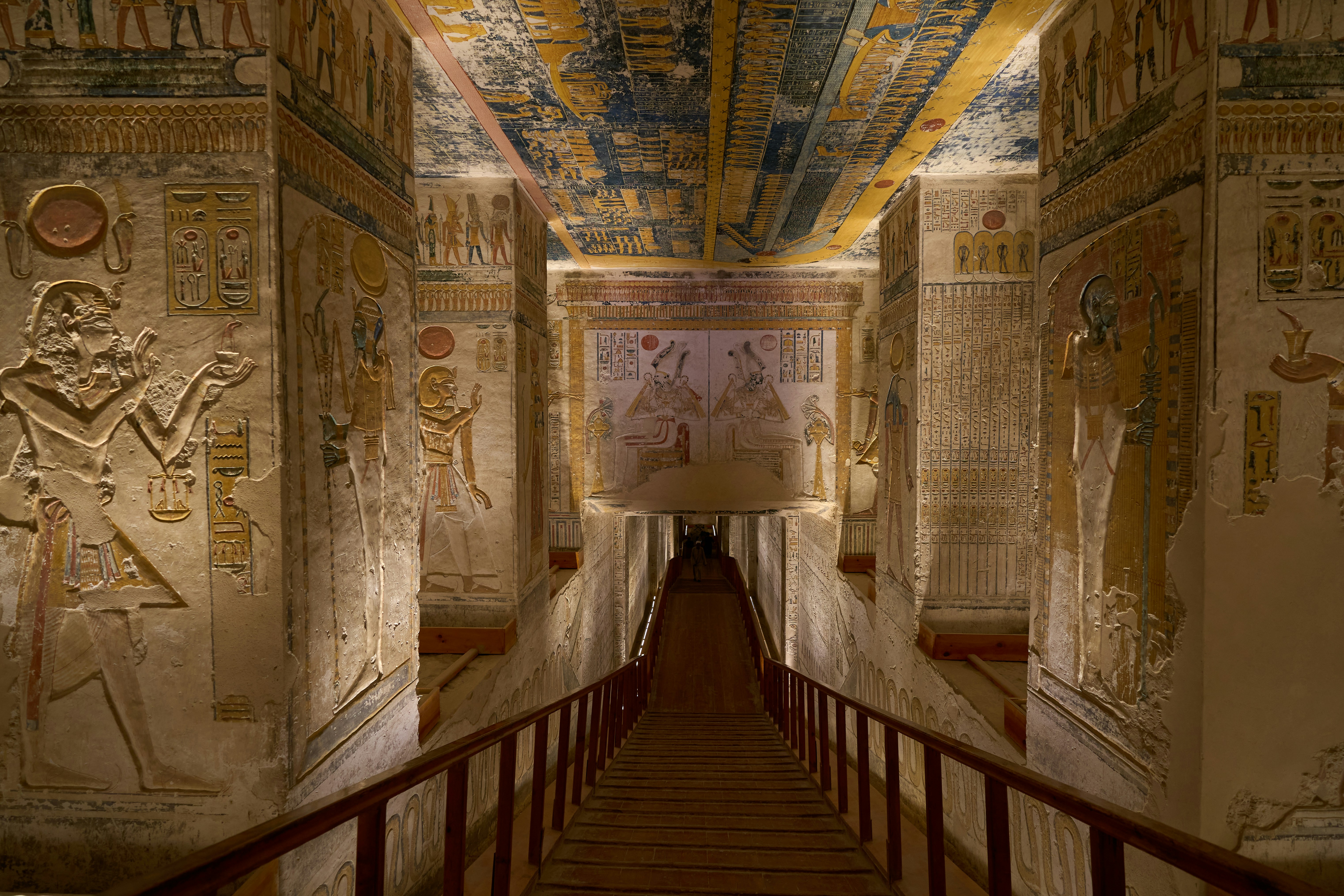
The best route? Start near the Valley of the Kings and sail north toward Luxor Temple. Along the way, you’ll pass villages where the old ways are still practiced: men repairing nets, women grinding wheat on stone, children herding goats along the banks. Stop at a riverside café in Qurna for ful medames and fresh bread, then continue to the temple area as the sun sets and the columns of Luxor Temple turn golden.
This is where the legends feel most alive. The fishermen here talk about Ramses II and his campaigns, about Tutankhamun’s journey to the afterlife, about the priests who once sailed these waters to bring offerings to the gods. You won’t just see temples from the water—you’ll feel them.
────────────────What to Wear: Respecting the Nile’s Code
This isn’t a fashion show. It’s a cultural experience. The fishermen and villagers you’ll meet live by a simple rule: cover your shoulders and knees when you’re on land, and dress light when you’re on the boat. That’s it.
- On the felucca: Loose, breathable clothing. A long-sleeved shirt to protect from the sun. A hat or scarf. Sandals or bare feet—whatever feels right. The boat is relaxed. You’re not trying to impress anyone.
- On shore: Modest clothing for visiting villages or temples. Women: a light scarf to cover your head if entering a mosque or local home. Men: avoid shorts if possible, especially in Nubian villages where traditional dress is still common.
Pro tip: bring a small towel or sarong. You’ll likely get splashed, and the Nile water is refreshing on a hot day. Just don’t drink it—even the locals boil their water here.
────────────────When to Go: Seasons That Shape the Nile
The Nile’s mood changes with the seasons, and your experience will too. Here’s what to expect:
Winter (November–February)
This is the best time—cool mornings, warm afternoons, and the river at its calmest. The fishermen are out in full force, hauling in big catches. The birds are everywhere—herons, kingfishers, even the occasional Egyptian goose. The downside? More tourists in Luxor and Aswan, so the villages along the river can feel busy. But on the water? You’ll have the river to yourself most mornings.
Spring (March–May)
The heat starts building, but the water is still cool from the winter. The fishermen work early and rest in the shade during the day. The desert blooms in places, with wildflowers popping up along the banks. This is when the Nile perch runs start, and if you’re lucky, you might see a fisherman haul in a monster catch. The downside? Wind can pick up in the afternoons, making sailing tricky. Best to go early.
Summer (June–August)
Hot. Really hot. The water is warm, the air is dry, and the fishermen are few—most stay in the shade during the day. But if you’re willing to brave the heat, the river is magical at dawn. The temples along the banks are empty, the villages are quiet, and the only sound is the wind in the sail. Just bring plenty of water and sunscreen.
Autumn (September–October)
The river starts to calm down after the summer heat. The fishermen are back in force, the water is clear, and the light is golden. This is also when the Nile flood season starts to build—though it’s not the ancient floods that once covered the land, it’s a gentle rise that brings life to the riverbanks. Perfect for photography, especially in the early morning.
────────────────Is It Worth It? The Unfiltered Truth
Yes. But not in the way you might think.
This isn’t a bucket-list experience you’ll post on Instagram and forget. This is the kind of thing that sticks with you. The kind where you wake up at 4 AM to the sound of oars creaking, where you eat fish grilled over an open fire on a wooden deck, where you hear stories that have been told for thousands of years, and where you realize the Nile isn’t just a river—it’s the soul of Egypt.
I’ve seen travelers come on these trips skeptical, expecting a tourist trap. They leave with sunburnt faces, full bellies, and stories they’ll tell for years. One couple I took last year—a retired teacher and her husband from Seoul—kept saying, "This is the real Egypt. Not the pyramids. Not the temples. Just… this."
That’s what makes it worth it. Not the views. Not the photos. The feeling of being part of something older than time itself.
────────────────Beyond the Felucca: Other Nile Stories to Explore
A private felucca tour isn’t the only way to experience the Nile’s magic. If you’re already sailing these waters, why not dive deeper? Bodda Tours can weave these experiences into your itinerary seamlessly:
- Nubian Village Visit: In Aswan, visit Elephantine Island or Gharb Soheil to see traditional Nubian homes, handwoven baskets, and local crafts. Meet families who still live as their ancestors did.
- Temple Sunrise Sail: Combine a felucca ride with a private visit to Philae Temple or Karnak Temple at sunrise, when the light is magical and the crowds haven’t arrived.
- Nile Island Picnic: Stop on a quiet island near Luxor and have a picnic with fresh fish, ful medames, and local bread. The fishermen will cook it for you on the spot.
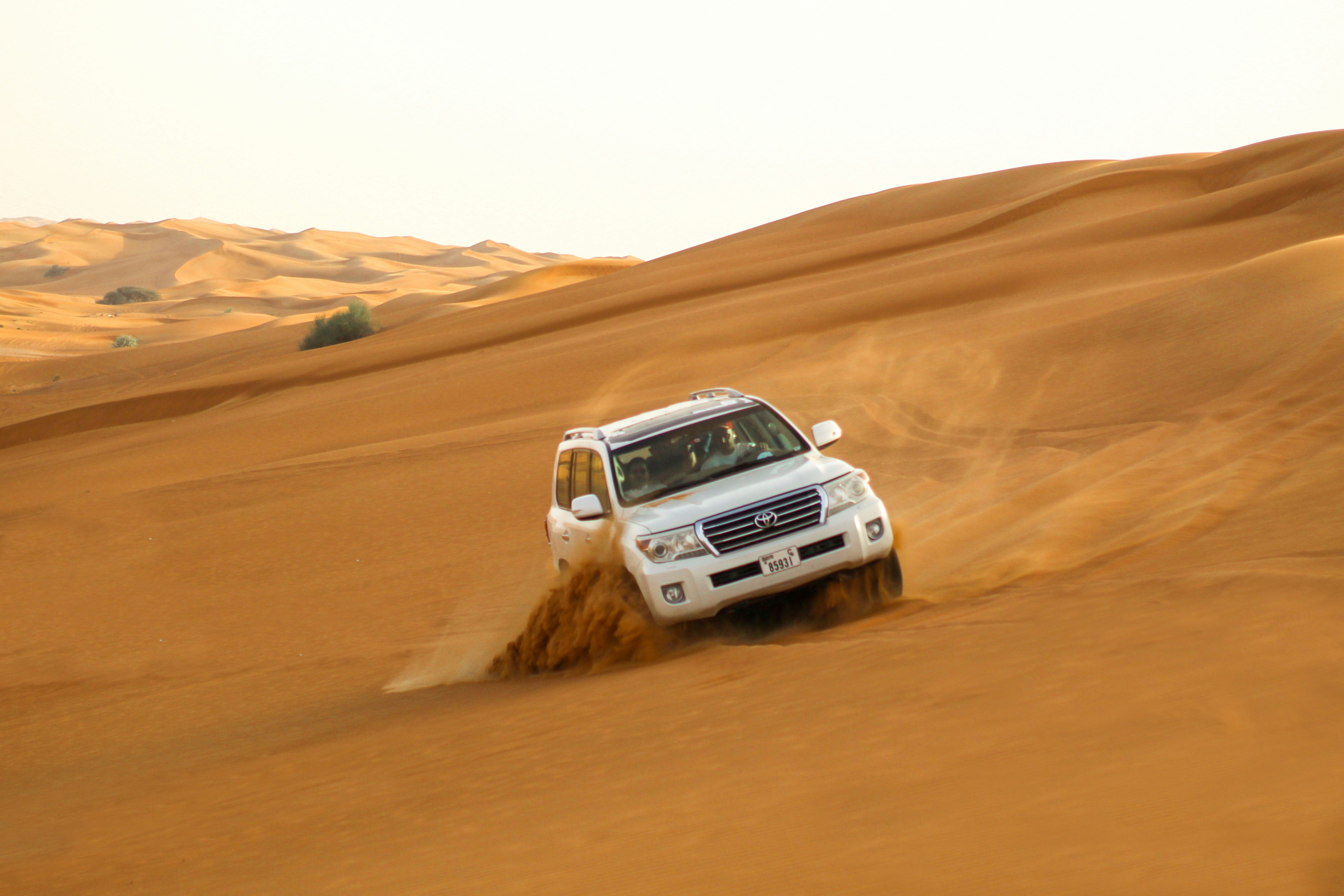
- Desert & River Combo: After your felucca sail, head into the desert near Luxor for a private 4x4 tour of the Valley of the Kings or the Deir el-Bahari area at sunset.
- Felucca + Hot Air Balloon: In Luxor, combine a morning felucca ride with a sunrise hot air balloon over the Valley of the Kings. The contrast of floating above the desert and gliding along the river is unforgettable.
────────────────
Why Choose Bodda Tours for Your Nile Fishermen Morning
I’ve sailed the Nile with every type of operator—big buses, shared boats, even a few sketchy "local guides" who turned out to be tuktuk drivers in disguise. None of them come close to what you get with Bodda. Here’s why:
- Local, not a middleman: I run this company. I’m Egyptian, born and raised in Cairo. I know the fishermen, the villages, the hidden spots. No resellers. No agents taking a cut. You book directly with me.
- Korean-speaking guides: If you’re from Korea (or any other country), you’ll never feel lost. Our guides speak fluent Korean, so you can ask questions, hear stories, and connect with the locals without any language barrier. I’ve had guests tell me they felt like they were traveling with family.
- 100% private, no crowds: No shared feluccas. No strangers onboard. Just you, your group, and the river. We even arrange for private picnics on secluded islands if you want.
- Cultural depth, not just a ride: This isn’t a boat tour where you get dropped off at temples. We arrange visits to Nubian villages, local fishing communities, and even private meals with fishermen. You’ll hear stories, taste real food, and see the Nile through the eyes of those who’ve depended on it for generations.
- No surprises, no scams: Some operators "forget" to mention that their "private" felucca is actually a shared boat. Others sell "fishing trips" that are just a quick ride to a temple. We don’t do that. What you book is what you get—real time on the water, with real fishermen, doing real fishing.
- Flexible, not rigid: Want to stop at a village? We’ll arrange it. Prefer a quiet sail with just tea and snacks? Done. Interested in a specific story or legend? Our guides know them all. We tailor the experience to you, not the other way around.
- Door-to-door service: We pick you up from your hotel or the train station in Aswan or Luxor, and we take you straight to the felucca. No navigating tuk-tuks or arguing with drivers. Just you and the river.
I could list more reasons, but the best way to understand is to try it. The fishermen will tell you themselves: the Nile doesn’t give its secrets easily. You have to earn them.
────────────────Ready to Sail the Nile Like a Local? Contact Bodda Tours Today
Whether you’re in Aswan, Luxor, or just dreaming of the river’s call, Bodda Tours is here to make it happen. We don’t just arrange trips—we arrange experiences that stay with you forever.
- WhatsApp: wa.me/201040541153
- KakaoTalk: open.kakao.com/o/smU92Hfi
- Email: info@boddatours.me
- Website: boddatours.me
Come find me. I’ll have the tea ready.
────────────────Sources & References
- UNESCO World Heritage Centre. "Nubian Monuments from Abu Simbel to Philae." Accessed September 2026. whc.unesco.org/en/list/88
- Egyptian Ministry of Tourism. "Nile Felucca Traditions." Accessed September 2026. www.visitegypt.gov.eg
- Wikipedia. "Felucca." Accessed September 2026. en.wikipedia.org/wiki/Felucca
- Nubian Heritage Museum. "The Nubian Relocation: Stories from the Displaced." Aswan, Egypt.
- UNESCO. "Ancient Thebes with its Necropolis." Accessed September 2026. whc.unesco.org/en/list/87
![[2026 Egypt Tours] Siwa Oasis Honest Review (Desert Safari & History)](https://boddatours.me/images/hq/siwa-salt-lake-hq.jpg)
![[2026 Egypt Tours] Cairo Cafes & Mint Tea (Local Experience)](https://boddatours.me/images/hq/moez-st-hq.jpg)