![[2026 Egypt Tours] Karnak Temple: Amun-Ra's Grand Sanctuary (Luxor History)](https://boddatours.me/images/hq/westbank-hq.jpg)
Karnak Temple: The Living Heart of Ancient Thebes
Imagine standing before a place so vast, so ancient, it feels like stepping onto another planet. That’s Karnak Temple for you. It’s not just a single temple; it’s a city of gods, built and expanded over two thousand years. I’ve been here countless times, and each visit still gives me goosebumps. The sheer scale of it, the stories etched into every stone… it’s a place that truly connects you to Egypt’s incredible past. If you’re looking for a Luxor tour that goes beyond the surface, Karnak is where you’ll find it.
When people think of Egypt history tours, the Giza Pyramids often come to mind first. And they’re amazing, no doubt. But Karnak Temple in Luxor? It’s a different kind of wonder. It’s a living monument, continuously evolving from the Middle Kingdom right through to the Ptolemaic period. Think about that for a second – nearly 2000 years of construction, each Pharaoh adding their mark, their prayer, their boast to the gods. It’s an architectural marathon etched in stone, and exploring it feels like reading a history book written by the very rulers of ancient Egypt.
I remember my first time here as a kid. I got lost in the Hypostyle Hall, surrounded by those massive columns. It felt like being in a forest of stone giants. The light filtering through the clerestory windows created these dramatic shafts of sun, illuminating hieroglyphs that have witnessed empires rise and fall. That feeling of awe, of being incredibly small yet profoundly connected to something immense, is what I want to share with everyone who visits. It’s why I always recommend the Karnak Temple complex as a must-see on any private Egypt tour.
If you're planning an Egypt desert safari tour to Siwa Oasis or a Fayoum Oasis tour from Cairo, it's easy to get caught up in the desert's magic. But don't forget the incredible history waiting for you further south in Luxor. Karnak is the undisputed king of Luxor’s ancient sites, a place where the divine and the human met on a monumental scale. It’s a journey back in time, not just to see ruins, but to feel the pulse of a civilization that shaped the world.
────────────────A Sanctuary Built Over Millennia
The sheer size of Karnak is mind-boggling. It's not just one building, but a vast complex of temples, chapels, pylons, and obelisks. It was the principal place of worship for the Theban triad, with Amun-Ra as the supreme deity. This was the spiritual heart of Egypt for centuries, a place where pharaohs sought divine favor and performed rituals that were believed to maintain the cosmic order, Ma'at. The construction began as early as the 20th century BCE and continued for over 2,000 years, with almost every pharaoh contributing to its expansion and decoration. It’s a living testament to the power and devotion of ancient Egypt, and a key reason why Luxor is such a vital part of any Egypt history tour.
The central part of the complex is the Precinct of Amun-Ra, the largest and most active religious site in the ancient world. Walking through its massive pylons, each one a gateway to another sacred space, is an experience in itself. You’ll pass through courtyards, hypostyle halls, and sacred lakes, each area revealing more about the religious practices and beliefs of the time. The scale of the Hypostyle Hall, with its 134 colossal columns arranged in 16 rows, is truly breathtaking. Some of these columns are so massive that 100 men could stand on top of them. I always tell my guests to imagine the priests and pharaohs walking these same paths, performing their ceremonies under the watchful eyes of the gods. It’s a feeling of profound historical continuity that you rarely find anywhere else.
Beyond the main precinct, you can explore the Precinct of Mut and the Precinct of Montu, dedicated to other deities. The sacred lake, though now dry and filled with debris, was once a vital part of the rituals, used for purification. You can also see the avenue of ram-headed sphinxes that once led from Karnak to Luxor Temple, a majestic processional way that highlights the interconnectedness of these sacred sites. For anyone interested in the deep history of Egypt, a Karnak Temple tour is absolutely essential.
When you think about how these structures were built with the tools available thousands of years ago, it’s almost unbelievable. The precision, the artistry, the sheer manpower involved… it speaks volumes about the organizational capabilities and the profound belief systems of the ancient Egyptians. It’s this enduring legacy that makes Karnak one of the most significant archaeological sites in the world and a cornerstone of any comprehensive Luxor tours itinerary. The UNESCO World Heritage status it holds is well-deserved, recognizing its unparalleled importance to human history and culture.
────────────────Pharaonic Power and Divine Connection
The history of Karnak is intertwined with the rise and fall of dynasties. The Old Kingdom saw early structures, but it was during the Middle Kingdom (c. 2055–1650 BCE) that Karnak began its massive expansion. Pharaoh Senusret I, for instance, built the White Chapel, a stunning example of Middle Kingdom architecture, parts of which have been reconstructed and are on display. This period marked the ascendance of Amun-Ra as a preeminent deity, and Karnak became his primary cult center.
The New Kingdom (c. 1550–1070 BCE) was the golden age of Karnak. Pharaohs like Hatshepsut, Thutmose III, Amenhotep III, and Ramesses II all left their indelible mark. Hatshepsut, one of Egypt’s most powerful female pharaohs, commissioned impressive obelisks and a beautiful Red Chapel. Thutmose III, often called the 'Napoleon of Egypt' for his military campaigns, added extensively to the temple, including the famous Festival Hall, decorated with scenes of his victorious return. His conquest of the Levant brought immense wealth to Egypt, much of which flowed into Karnak, funding its ever-growing grandeur. This period truly cemented Karnak as the spiritual and political heart of the empire.
Ramesses II, a pharaoh known for his prolific building projects, added his own colossal structures, including statues and courtyards. The sheer number of inscriptions and reliefs from this era provides invaluable insights into ancient Egyptian life, religion, and warfare. Even after the New Kingdom, during the Late Period and the Ptolemaic era, construction continued. Ptolemaic rulers, who were of Greek descent but adopted Egyptian customs, also contributed, further demonstrating the enduring significance of Karnak. It’s this layered history, from the earliest dynasties to the Hellenistic period, that makes Karnak such a rich destination for anyone interested in Egypt history tours.
The temple complex also served as an economic and administrative center. Large estates were attached to the temple, and it housed a vast priesthood that wielded considerable influence. The wealth accumulated through offerings, land, and tribute made Karnak one of the wealthiest institutions in the ancient world. Exploring Karnak is not just about seeing ancient stones; it’s about understanding the intricate interplay of religion, politics, and economics that defined ancient Egyptian society. For a truly immersive experience, consider a private Egypt tour where you can delve into these details at your own pace.
────────────────Beyond the Temples: Surrounding Wonders
While Karnak is the star, Luxor itself is brimming with historical treasures that complement a visit to the great temple. Luxor Temple, located further south and connected to Karnak by the Avenue of Sphinxes, is another magnificent structure. It’s particularly stunning at night when illuminated, offering a different, more intimate feel than the vastness of Karnak. A private Egypt tour can easily combine both, allowing you to appreciate their distinct beauties.
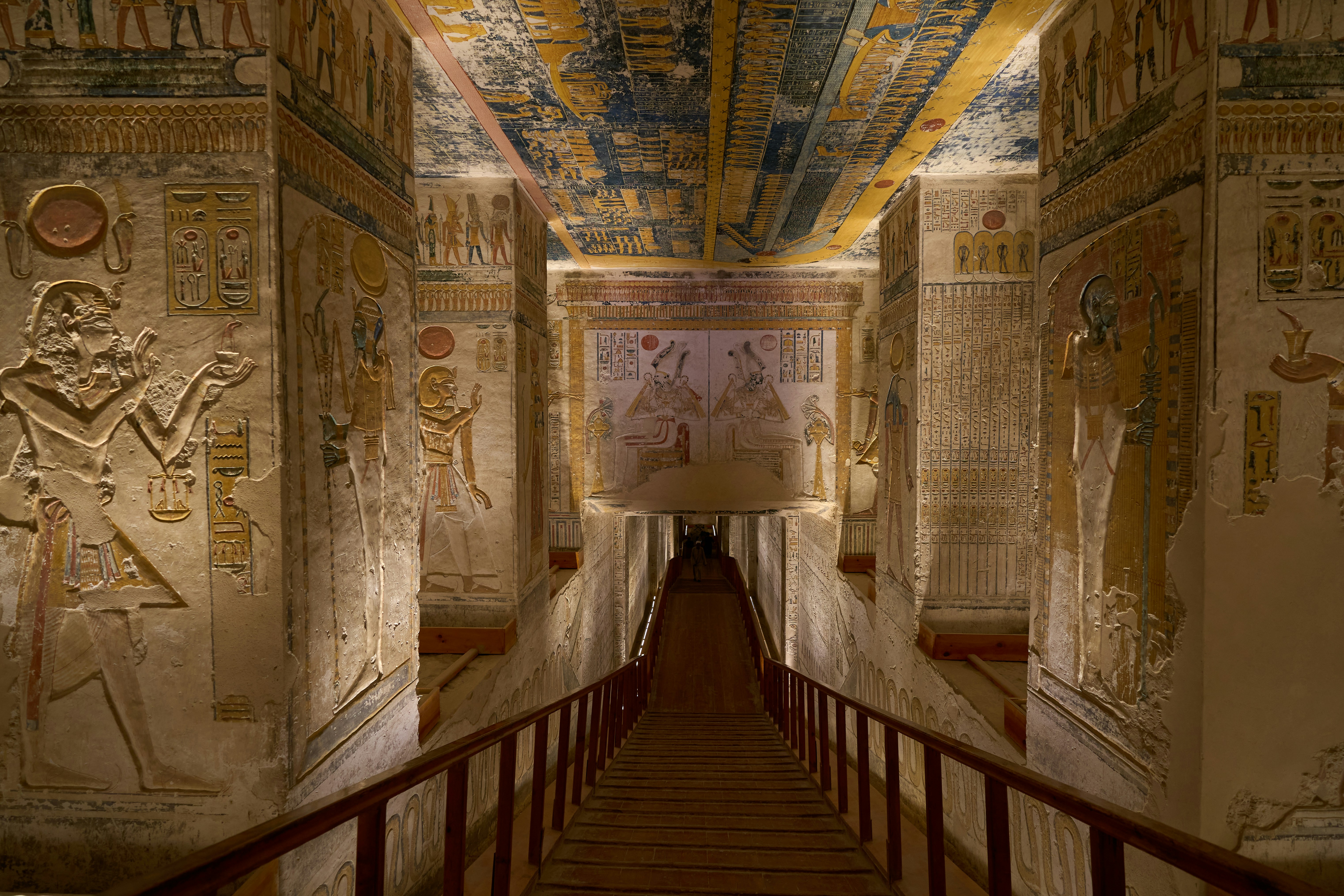
Across the Nile, on the West Bank, lie the necropolises of ancient Thebes. The Valley of the Kings, where pharaohs of the New Kingdom were buried in elaborate rock-cut tombs, is a highlight for many. Tutankhamun’s tomb, though small, is famous for the incredible treasures found within it. Nearby, you’ll find the mortuary temples of Hatshepsut (Deir el-Bahari) and Ramesses III (Medinet Habu), each with its own unique architecture and historical significance. These sites, along with the Colossi of Memnon, offer a complete picture of ancient Theban life, from worship and construction to burial practices. Luxor is truly a treasure trove for anyone fascinated by Egypt history tours.
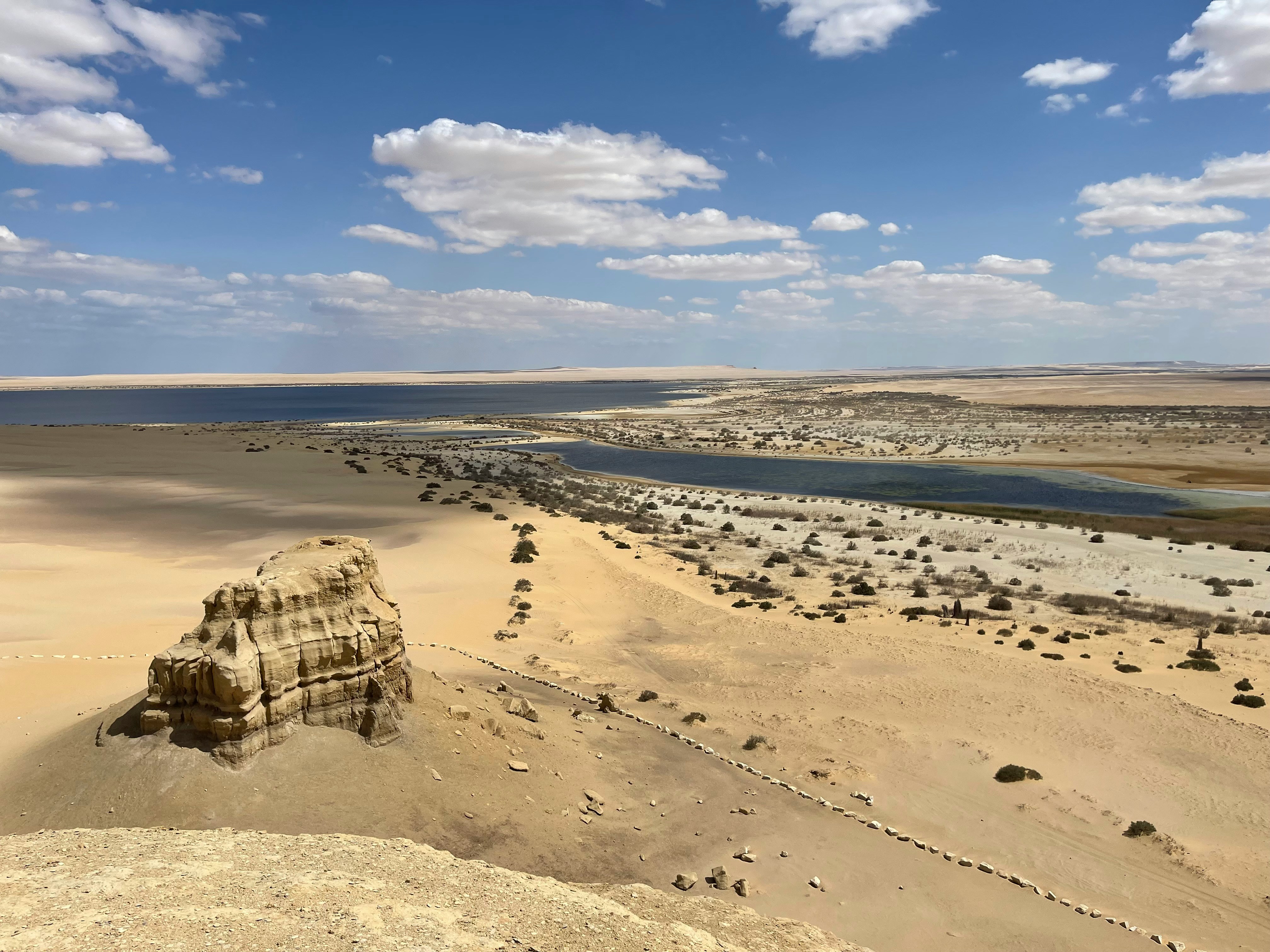
For travelers looking to experience more of Egypt’s diverse landscapes, consider combining your Luxor visit with other Bodda Tours offerings. Imagine exploring the otherworldly desert landscapes of the Siwa Oasis tour or the unique geological formations of the Fayoum Oasis tour. These contrasting experiences — the monumental temples of Luxor and the serene, vast deserts — offer a truly comprehensive understanding of Egypt's incredible beauty and history. A private Egypt tour designed by Bodda can seamlessly weave these incredible destinations together for you.
If you’re coming from Cairo, taking a flight or an overnight sleeper train to Luxor is common. For those venturing further south, Aswan is a natural next step, with its own wonders like Philae Temple and the optional trip to Abu Simbel. Luxor acts as a perfect bridge between Upper and Lower Egypt, offering a deep dive into the Pharaonic era that is simply unparalleled. It’s an experience that stays with you long after you’ve left.
��───────────────Planning Your Visit to Karnak
The best time to visit Karnak is generally during the cooler months, from October to April. The summer months (June to August) can be extremely hot, especially in Luxor, making daytime exploration challenging. Even during the cooler months, it’s wise to visit early in the morning or late in the afternoon to avoid the midday sun and the largest crowds. I always advise my guests to wear light, breathable clothing, comfortable walking shoes, and to bring plenty of water. A hat and sunscreen are also essential, even on cloudy days.
When you visit Karnak, you’re walking on hallowed ground. It’s important to be respectful of the site. While photography is generally allowed, avoid using flash inside enclosed areas where it might damage ancient artwork. Remember, these are not just ruins; they are sacred spaces that have witnessed millennia of human devotion and history. Understanding the context, perhaps with a knowledgeable guide, can truly transform your experience from sightseeing to genuine discovery. This is where a Korean guide Egypt specialist from Bodda Tours can make a huge difference, ensuring you get the most out of your visit with clear explanations and local insights.
Getting to Karnak is straightforward once you are in Luxor. Taxis are readily available, and many hotels are within easy reach. If you’re on a private Egypt tour with Bodda Tours, your comfortable, air-conditioned vehicle will take you directly to the entrance and wait for you, offering door-to-door convenience. This is a huge plus, especially after a few hours of exploring the vastness of Karnak and other nearby sites like the Valley of the Kings.
Karnak is immense, and you could easily spend half a day or more exploring its depths. Don’t rush it. Allow yourself time to wander, to sit, and to absorb the atmosphere. Look closely at the hieroglyphs – they tell stories of battles, religious ceremonies, and the daily lives of ancient Egyptians. The scale of the obelisks, the intricacy of the carvings, and the sheer endurance of this monument are testaments to a civilization that profoundly understood permanence and divinity. It’s an experience that truly defines a Luxor tour.
────────────────Why Choose Bodda Tours for Your Egypt Adventure?
When you’re planning a trip to Egypt, especially if you’re looking for a deep dive into its history and culture, choosing the right tour operator makes all the difference. I started Bodda Tours because I wanted to offer travelers something more authentic, something that felt like exploring with a local friend, not just a guide. We’re not a big company; it’s just me and my team of passionate local Egyptians who know and love this country.
100% Private Tours, Zero Hassle: Forget crowded buses and fixed schedules. With Bodda Tours, every trip is private. This means your itinerary is flexible, you set the pace, and you travel in comfort in modern, air-conditioned vehicles. We offer door-to-door service, including airport pickup and hotel drop-off, so you don't have to worry about a thing. This is especially crucial for tours like the Siwa Oasis tour from Cairo or a Fayoum day trip from Cairo, where comfort and reliable transport are key.
Local Expertise, No Language Barriers: As a local Egyptian, I understand the nuances of our culture and history. Many of our guides are fluent in Korean, which is a massive advantage for our Korean-speaking guests. This means clear communication, no misunderstandings, and a richer, more insightful experience. You get direct access to local knowledge, not just a rehearsed script. This is why many of our guests consider us the best for private Egypt tours.
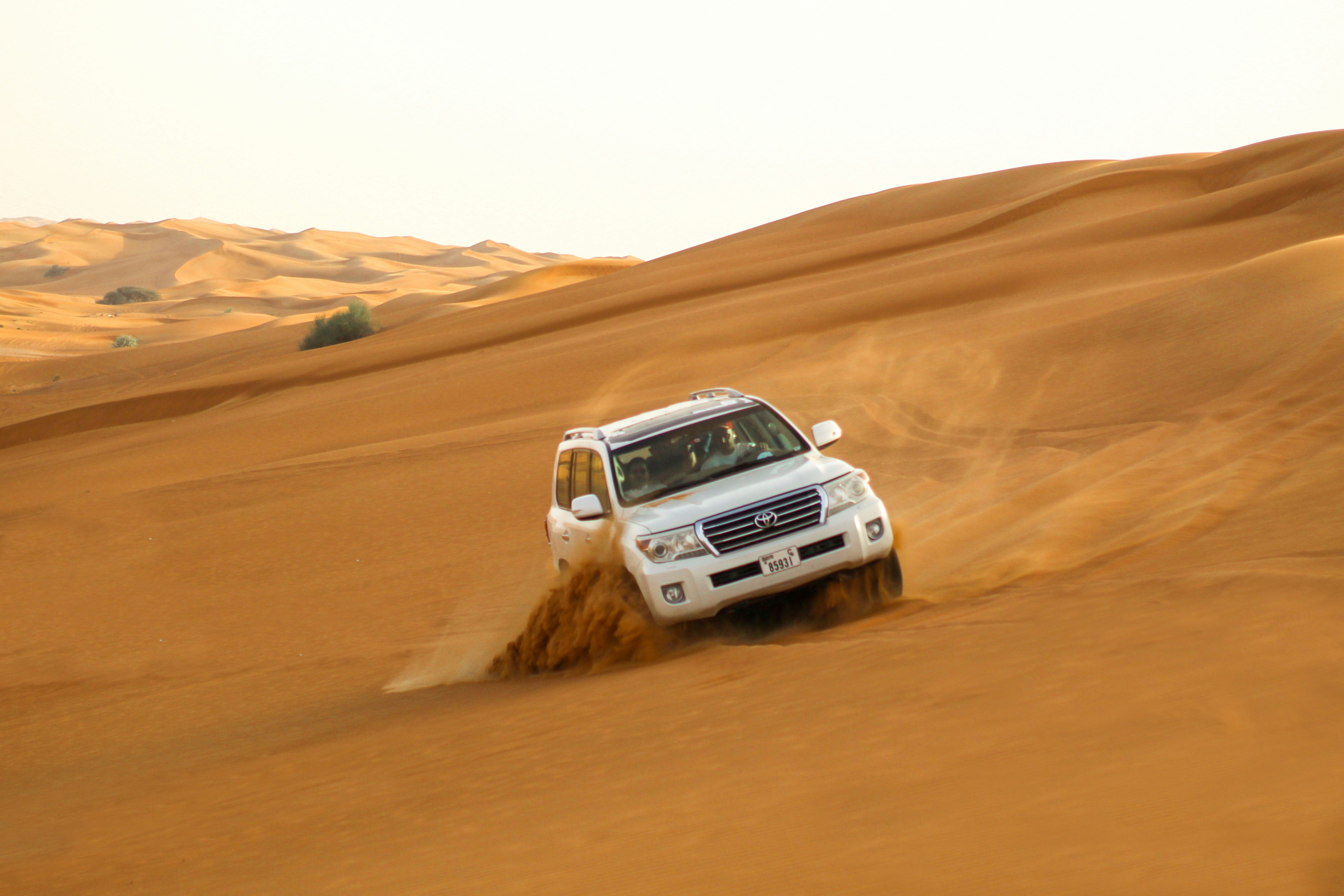
No Scams, No Surprises: We pride ourselves on transparency. There are no hidden fees, no commission schemes, and no pressure to buy souvenirs. We only work with verified sites and professional drivers. We’ve heard horror stories about fake safaris, especially in Siwa – some operators sell “tuktuk safaris” that are nothing more than a scam. At Bodda Tours, we only use real 4x4 jeeps with experienced drivers for any desert excursions. Our focus is on providing genuine, high-quality experiences.
Direct Service, Real Care: We are not a reseller or a middleman. You’re booking directly with the people who run the tours. This means better service, more flexibility, and a personal touch. If anything goes wrong, or if a delay occurs, we are committed to making it right. We believe in offering value, not just a price tag. You can ask us for recent guest reviews anytime to see what real travelers experienced with us.
Whether you’re dreaming of the ancient wonders of Karnak Temple, the surreal landscapes of the Egypt desert tours, or a personalized exploration of Cairo and Giza, Bodda Tours is your trusted partner. We’re here to help you create memories that will last a lifetime, ensuring your journey through Egypt is safe, exciting, and deeply rewarding.
────────────────Ready to Explore Karnak and Beyond? Contact Bodda Tours Today
Whether you dream of Karnak's vast temples, Siwa's salt lakes, Fayoum's waterfalls, or a private pyramid tour, Bodda Tours is here to make it happen. Reach out anytime between 07:00-22:00 daily.
- WhatsApp: wa.me/201040541153
- KakaoTalk: open.kakao.com/o/smU92Hfi
- Email: info@boddatours.me
- Website: boddatours.me
Sources & References
- Egyptian Ministry of Tourism and Antiquities.
- UNESCO World Heritage Centre. (n.d.). *Ancient Thebes with its Necropolis*. Retrieved from [UNESCO World Heritage Centre website]
- Wikipedia contributors. (n.d.). *Karnak Temple Complex*. Wikipedia, The Free Encyclopedia. Retrieved from [Wikipedia website]
![[2026 Egypt Tours] Siwa Oasis Honest Review (Desert Safari & History)](https://boddatours.me/images/hq/siwa-salt-lake-hq.jpg)
![[2026 Egypt Tours] Cairo Cafes & Mint Tea (Local Experience)](https://boddatours.me/images/hq/moez-st-hq.jpg)
![[2026 Egypt Tours] Red Sea Diving Secrets (Ras Mohamed & Blue Hole)](https://boddatours.me/images/fallback-post.png)