![[2026 Egypt Tours] Deir el-Medina (Tomb Builders' Village)](https://boddatours.me/images/fallback-post.png)
Deir el-Medina: The Village of Tomb Builders (2026 Egypt Tours)
Imagine walking through a village where every single resident dedicated their lives to creating eternal resting places for pharaohs. That’s Deir el-Medina. It’s not just about the tombs themselves, but the people who built them, their daily lives, their art, and their enduring legacy. I've always felt a special connection to this place because it humanizes the grandiosity of ancient Egypt. It shows you the hands behind the masterpieces.
For many travelers, Luxor means the Valley of the Kings and Karnak Temple. And those are absolutely incredible. But if you're like me, and you crave a deeper understanding, a more intimate glimpse into the past, then Deir el-Medina is an unmissable stop on your Egypt history tours. It’s a place that whispers stories of craftsmanship, community, and a life lived in the shadow of pharaonic power.
This isn't just another ancient site; it's a window into the daily existence of the people who shaped Egypt's eternal narrative. When you visit Deir el-Medina, you’re not just seeing ruins; you’re walking where skilled artisans, their families, and their society thrived. It offers a unique perspective that complements the monumental scale of the royal tombs. It’s a crucial piece of the puzzle when understanding the sheer human effort and ingenuity that went into creating the wonders of the New Kingdom.
My own fascination with Deir el-Medina grew over years of exploring the West Bank of Luxor. While many guides might rush through it, I always find myself lingering, imagining the sounds of chisels, the smell of dust, and the vibrant community that once filled these streets. It’s a place that truly connects you to the human aspect of ancient Egyptian history. This is why I always make sure it’s a highlight on my private Egypt tours, especially for those seeking more than just a surface-level experience.
────────────────The Living Heart of the Necropolis
Can you feel the quiet hum of a community dedicated to eternity? That's the feeling Deir el-Medina evokes.
Deir el-Medina, meaning "Monastery of the City" in Arabic, was originally known as Set Maat – "The Place of Truth" – by the ancient Egyptians. This name itself speaks volumes about its importance and the sacredness of its inhabitants' work. Established during the reign of Thutmose I (around 1504–1492 BCE) in the 18th Dynasty, this village was home to the highly skilled craftsmen and artisans responsible for constructing and decorating the royal tombs in the Valley of the Kings and the Valley of the Queens. These weren't just laborers; they were artists, scribes, stonecutters, painters, and architects, all living and working together in this unique, self-contained community.
The village was meticulously planned and organized. The houses, though now in ruins, give us a remarkable insight into their domestic lives. They were typically built of mudbrick, with multiple rooms, courtyards, and often a small shrine. Archaeologists have uncovered evidence of their daily routines, their diets, their social structures, and even their leisure activities. This level of detail about the lives of ordinary people in ancient Egypt is rare and makes Deir el-Medina an invaluable archaeological site.
The artisans were highly respected and well-compensated. They received rations of bread, beer, fish, and other provisions, and their work was considered vital to the kingdom's spiritual and political stability. Their dedication was paramount; they were sworn to secrecy about the tombs they were building, ensuring the pharaohs' eternal rest would remain undisturbed. This commitment to their craft and the pharaohs' legacy is what makes their village so historically significant.
Walking through the remnants of their homes, you can almost picture them returning after a day's work in the scorching desert heat, gathering in courtyards, sharing stories, and preparing for the next day's monumental task. The proximity to the Valley of the Kings and Queens was strategic, minimizing travel time and maximizing security for the royal necropolis. This was a functional, efficient, and deeply symbolic community.
The village flourished for centuries, through the 18th, 19th, and 20th Dynasties. Its abandonment was gradual, influenced by various factors including shifting political landscapes and the decline of New Kingdom power. However, the memory and physical remnants of Set Maat endure, offering us an unparalleled connection to the human dimension of ancient Egypt's grandest era. It’s a testament to the organized society that supported these monumental projects, a society built on the skilled hands and devoted hearts of its people.
────────────────Tombs That Tell Stories
What secrets are hidden within the walls of these workers' final resting places? Prepare to be amazed.
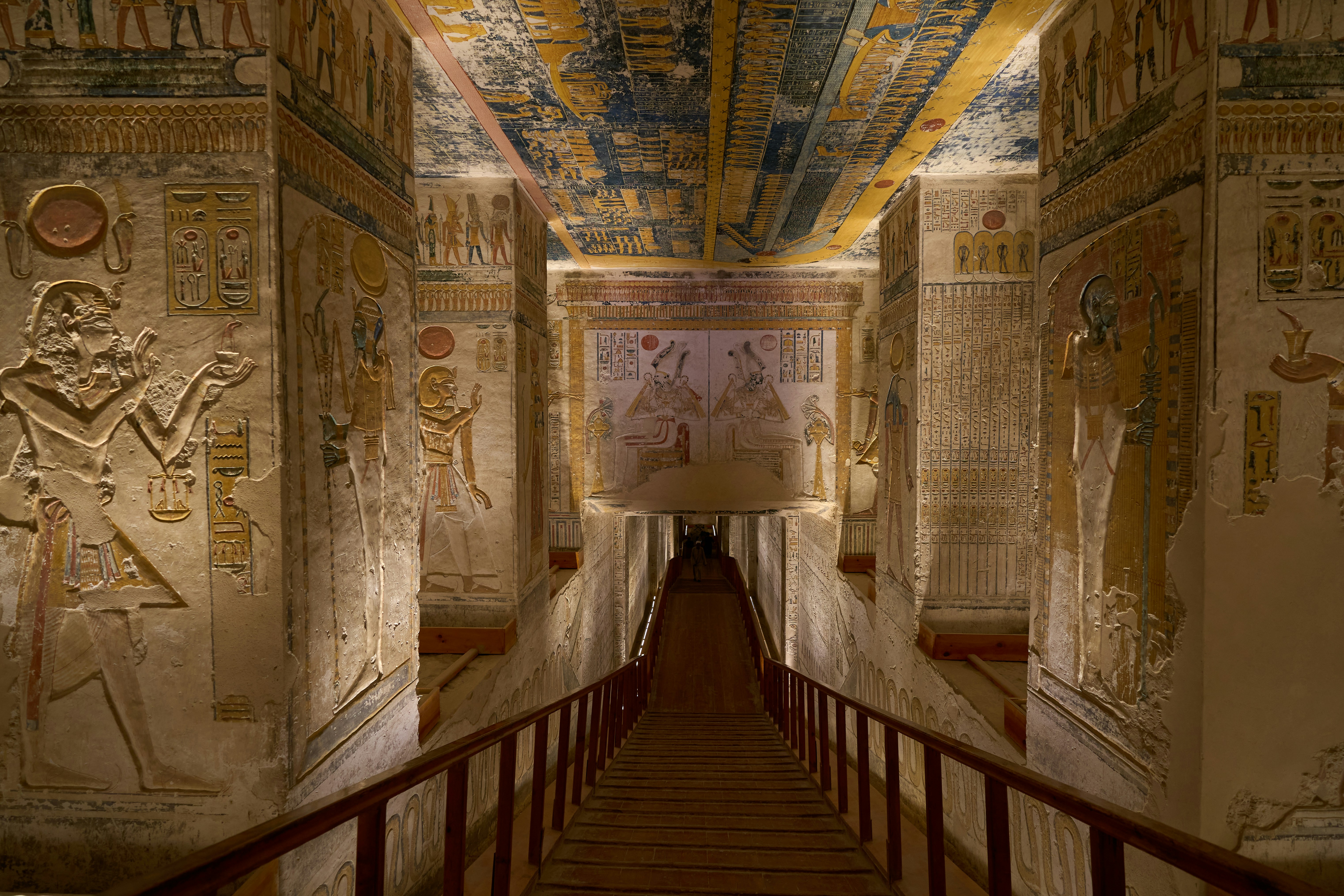
One of the most compelling aspects of Deir el-Medina is the necropolis that surrounds the village. The artisans, who spent their lives building for royalty, were also buried in their own beautifully decorated tombs. These tombs, while smaller than those of the pharaohs, are incredibly rich in detail and offer unique insights into the beliefs and lives of the tomb builders themselves. Unlike royal tombs, which focused on the pharaoh's journey to the afterlife and their divine status, the tombs of the Deir el-Medina inhabitants often depict scenes from their daily lives, their professions, and their personal aspirations.
These tombs are a treasure trove of information. We find depictions of the artisans at work, presenting offerings to gods, participating in festivals, and enjoying family life. There are also scenes related to the judgment of the dead, where the deceased's heart is weighed against the feather of Ma'at (truth and justice). The quality of the artwork is often exceptional, demonstrating the high level of skill possessed by these craftsmen. They were not just laborers; they were artists in their own right, leaving behind a vibrant legacy in their own burial sites.
Some of the most notable tombs include that of Sennedjem, a foreman during the reign of Ramesses II. His tomb is famous for its vibrant colors and detailed scenes depicting religious rituals, the afterlife, and the deceased interacting with various deities. Another significant tomb is that of Inherkhau, a scribe and overseer of the royal tombs. His tomb provides a wealth of information about the administration and organization of the Deir el-Medina community, with inscriptions detailing his titles, duties, and family members.
The presence of these elaborate tombs underscores the high status and respect afforded to the workers of Set Maat. They were not an anonymous workforce; they were individuals with families, beliefs, and a desire for remembrance in the afterlife. The iconography found within these tombs is crucial for understanding ancient Egyptian funerary practices, religious beliefs, and the social hierarchy of the New Kingdom. They offer a more personal and relatable perspective compared to the grand, often abstract, narratives of royal tombs.
The preservation of these tombs is remarkable, allowing us to appreciate the artistry and the stories they tell. They provide a stark contrast and a valuable complement to the pharaonic tombs, offering a more grounded view of the society that made such incredible feats of engineering and artistry possible. Visiting these tombs is a profoundly moving experience, connecting you directly to the individuals who dedicated their lives to ensuring the immortality of the pharaohs.
For travelers interested in Egypt history tours, Deir el-Medina offers a unique opportunity to delve into the lives of the people who were fundamental to creating some of the world's most iconic historical sites. It’s a vital part of understanding the complete story of the Theban necropolis.
────────────────Navigating Deir el-Medina: Practical Tips
Ready to walk in the footsteps of ancient artisans? Here's how to make the most of your visit.
Best Time to Visit: Like most sites in Luxor, the best time to visit Deir el-Medina is during the cooler months, from October to April. The peak heat of summer (June to August) can be intense, making early morning or late afternoon visits advisable if you're traveling during those months. The site is generally less crowded than the main attractions in the Valley of the Kings, offering a more peaceful experience.
How to Get There: Deir el-Medina is located on the West Bank of Luxor, not far from the Valley of the Kings and Queens. If you're staying in Luxor, the easiest way to reach it is by hiring a taxi or arranging a private car. Many travelers combine a visit to Deir el-Medina with tours of the Valley of the Kings, the Valley of the Queens, and the Mortuary Temple of Hatshepsut. This is where a private Egypt tour truly shines, allowing for seamless transitions between sites without the hassle of public transport or haggling for taxis.
What to Expect: The site consists of the remains of the village houses and the necropolis of the artisans' tombs. You can walk through the village foundations, imagining the layout of their homes. The tombs are the highlight, with several open to the public at any given time (the specific tombs open can change). Inside, you’ll find the vibrant wall paintings that have survived for millennia. It's important to remember that these are ancient structures, and while efforts are made to preserve them, they require careful handling. Respectful behavior is paramount.
What to Wear: As with any archaeological site in Egypt, it's advisable to dress modestly and respectfully. Lightweight, breathable clothing is essential due to the heat. Comfortable walking shoes are a must, as you'll be walking on uneven terrain. A hat and sunglasses are highly recommended to protect yourself from the strong Egyptian sun. For women, covering shoulders and knees is a good practice when visiting religious or historically significant sites.
Is it Worth Visiting? Absolutely. For anyone with a genuine interest in Egyptian history, archaeology, and the lives of the people who built the ancient world, Deir el-Medina is incredibly rewarding. It offers a different perspective than the monumental temples and tombs of the pharaohs, providing a tangible connection to the human element of this civilization. It’s a place that enriches your understanding and appreciation of ancient Egypt far beyond the typical tourist trail.
If you're planning a Luxor tour, I strongly recommend including Deir el-Medina. It’s a site that often gets overlooked but leaves a lasting impression on those who take the time to explore it. It’s one of those hidden gems that makes a trip truly special.
────────────────The Bodda Tours Difference: Your Private Egypt Experience
When you're exploring the wonders of Egypt, you want a guide who understands the history, the culture, and most importantly, you. That's where Bodda Tours comes in.
I started Bodda Tours because I believe that experiencing Egypt should be personal, comfortable, and deeply insightful. I'm not a faceless company; I'm Bodda, your local friend on the ground, and I've been showing people my country for years.
When you choose Bodda Tours for your Siwa Oasis tour, your Fayoum tour, or any of our other specialized trips like our Egypt desert tours, you're choosing a truly unique experience. Here’s why:
- 100% Private Tours: Forget crowded buses and fixed schedules. Our tours are completely private, meaning it's just you, your companions, and our expert guide. You set the pace, you decide where to linger, and we cater to your interests. This is especially crucial for sites like Deir el-Medina, where you want the space and quiet to truly absorb the atmosphere.
- Korean-Speaking Local Guides: For our Korean-speaking travelers, this is a game-changer. Our guides are not only fluent in Korean but also deeply knowledgeable about Egyptian history and culture. This means clear communication, no language barriers, and insights you won't get from a standard guide.
- Comfort-Focused Travel: We provide modern, air-conditioned vehicles for door-to-door service. From airport pickup to hotel drop-off, your comfort is our priority. This means arriving at your destinations refreshed and ready to explore, whether it's the vastness of the desert or the intricate details of an ancient tomb.
- No Scams, No Tricks: This is something I'm very passionate about. We work with verified tours only and guarantee transparent service. You won't find any hidden fees or unexpected charges. We're all about building trust and ensuring you have a worry-free experience.
- Real Local Expertise: Bodda Tours is run by Egyptians who love Egypt. We're not a reseller or a middleman. You're booking directly with us, which means you get authentic service and genuine care. We know the best spots, the local customs, and how to navigate the country smoothly.
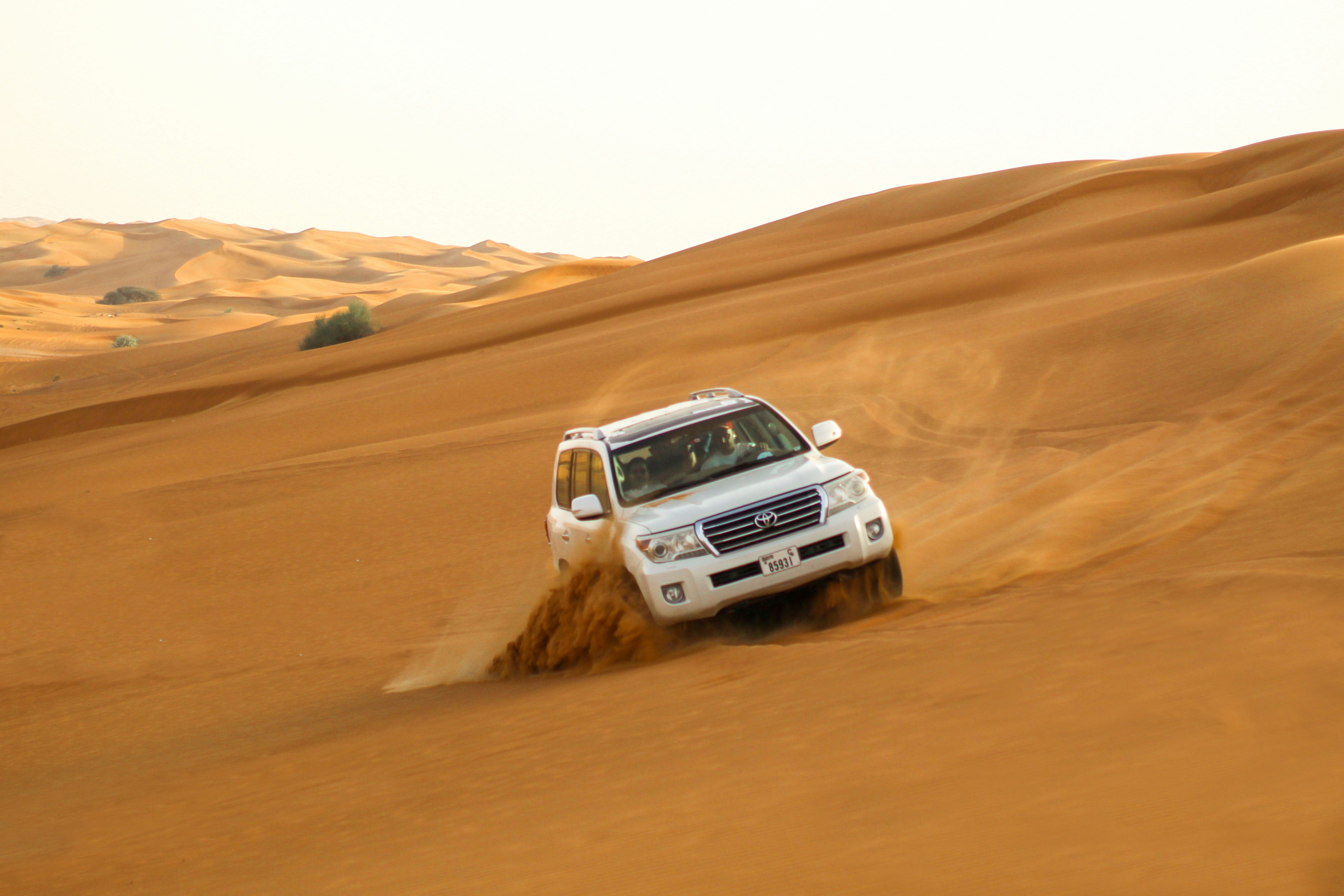
- No Fake Safaris: In places like Siwa Oasis, some operators might try to sell you “tuktuk safaris.” I want to be very clear: Bodda Tours only uses real, professional 4x4 jeeps for desert safaris. We prioritize safety and authenticity – no fake experiences here.
- Custom Itineraries: Whether you're a photography enthusiast, a foodie, or love to shop, we can tailor your itinerary. Want to spend extra time at a specific tomb in Luxor? Looking for the best local cuisine? Just let us know.
- Real Traveler Reviews: Don't just take my word for it. We're happy to share recent guest reviews so you can hear directly from travelers who have experienced Bodda Tours.
When you book a private Egypt tour with Bodda Tours, you're not just getting a trip; you're gaining a local friend who will help you discover the true heart of Egypt. We handle the logistics so you can focus on the wonder.
────────────────Ready to Explore Deir el-Medina and Beyond? Contact Bodda Tours Today
Whether you dream of the artisans' village of Deir el-Medina, the mystical allure of the Siwa Oasis, the dramatic landscapes of the Fayoum Oasis, or the iconic Pyramids of Giza, Bodda Tours is here to craft your perfect Egyptian adventure. We are available daily from 07:00 to 22:00 to help you plan.
- WhatsApp: https://wa.me/201040541153
- KakaoTalk: https://open.kakao.com/o/smU92Hfi
- Email: info@boddatours.me
- Website: https://www.boddatours.me
Sources & References
- UNESCO World Heritage Centre. (n.d.). *Ancient Thebes with its Necropolis*. Retrieved from [UNESCO website URL - e.g., whc.unesco.org/en/list/87]
- Egyptian Ministry of Tourism and Antiquities. (n.d.). *West Bank of Luxor Attractions*. Retrieved from [Ministry website URL - e.g., www.egypt.travel/en/attractions/luxor/west-bank]
- Wikipedia. (n.d.). *Deir el-Medina*. Retrieved from [Wikipedia URL - e.g., en.wikipedia.org/wiki/Deir_el-Medina]
![[2026 Egypt Tours] Siwa Oasis Honest Review (Desert Safari & History)](https://boddatours.me/images/hq/siwa-salt-lake-hq.jpg)
![[2026 Egypt Tours] Valley of the Kings (Luxor's Royal Necropolis Deep Dive)](https://boddatours.me/images/hq/luxor-hq.jpg)
![[2026 Egypt Tours] Valley of the Queens (Luxor's Royal Necropolis)](https://boddatours.me/images/hq/westbank-hq.jpg)