![[2026 Egypt Tours] Abydos Temple's Majesty (Seti I's Legacy)](https://boddatours.me/images/fallback-post.png)
The Echoes of Seti I: Abydos Temple's Sacred Aura
Imagine standing in a place so steeped in history, so overwhelmingly beautiful, that you can almost hear the whispers of pharaohs. That's what Abydos Temple feels like. It’s not just a collection of stones; it’s a portal to a different era, a testament to the divine power and artistic genius of ancient Egypt, especially under the reign of Seti I. If you're looking for a truly profound connection to Egypt's past, an Abydos Temple tour is an absolute must.
I remember the first time I walked into the hypostyle hall at Abydos. The sheer scale of it, the intricate carvings that still hold so much color after thousands of years… it just takes your breath away. It’s a feeling that no picture can truly capture. This temple is a cornerstone of Egypt's history, a place where the foundations of the 19th Dynasty were laid in spectacular fashion. It’s a journey that makes you understand why people travel across the world for private Egypt tours.
────────────────What Makes Abydos Temple So Special?
This place whispers stories of gods and kings. It’s one of the most important archaeological sites in Egypt, primarily because of its deep religious significance and its incredible preservation. Abydos was considered a sacred burial ground and a pilgrimage site for millennia, dedicated to the god Osiris, the lord of the underworld and resurrection. The main temple, as we see it today, was built by Pharaoh Seti I of the 19th Dynasty. His son, Ramesses II, completed much of the work, but Seti I’s vision is what truly defines its magnificence. If you're passionate about Egypt history tours, this is where you’ll find some of the most captivating narratives.
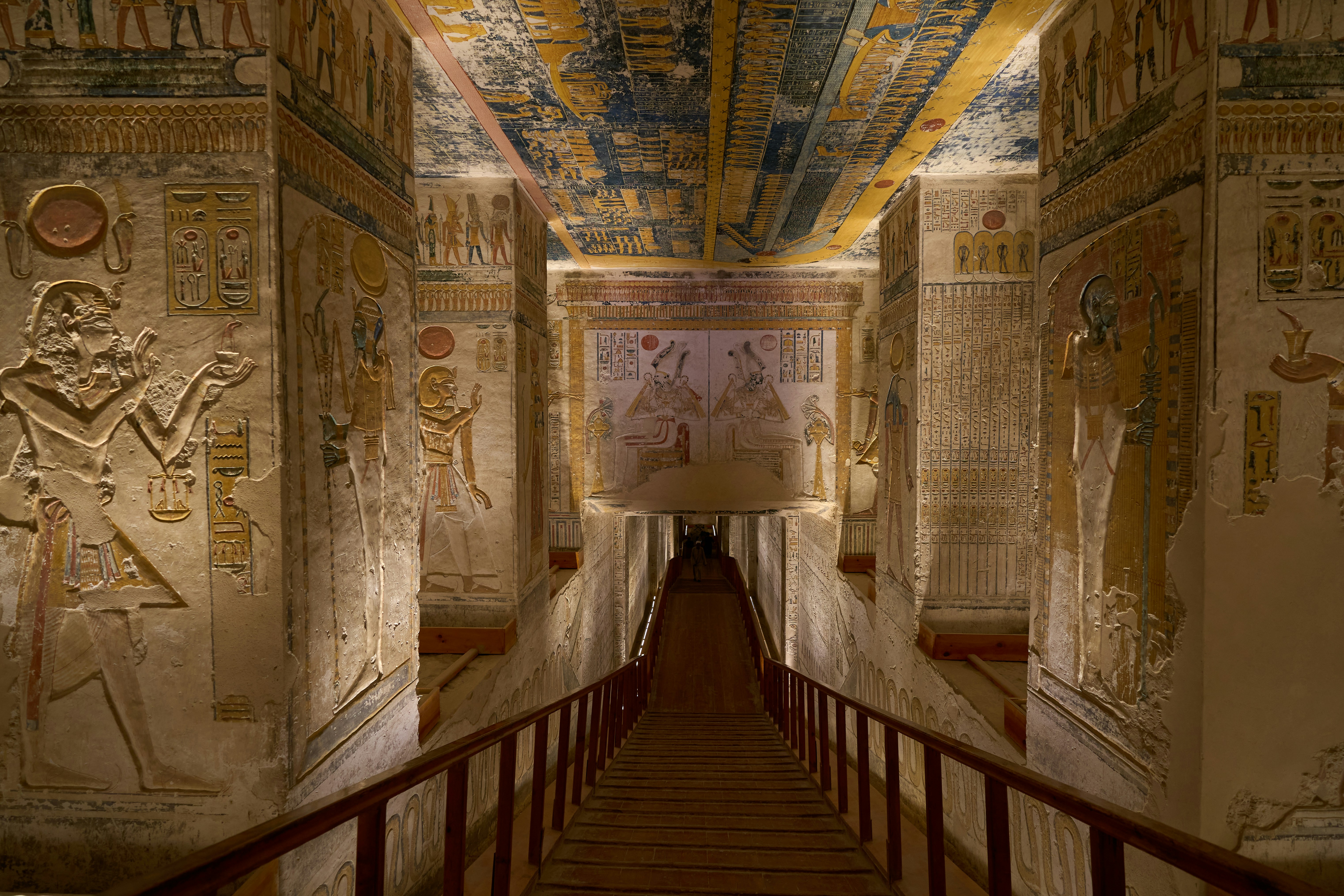
The temple is renowned for its beautifully preserved reliefs, which are considered among the finest in Egyptian art. Unlike many other temples that were later defaced or covered with inscriptions by subsequent rulers, Seti I’s temple retains a remarkable level of detail. You’ll see scenes depicting the pharaoh interacting with gods, performing rituals, and leading processions. It's like stepping into a history book, but so much more vivid.
The Grandeur of Seti I's Temple
Seti I was a powerful pharaoh who reigned from 1290 to 1279 BCE. He was a brilliant military leader and a devout worshipper of the gods, and he poured much of his wealth and artistic ambition into this temple. The temple complex is actually composed of several distinct parts, each with its own purpose and architectural marvels:
- The Temple of Seti I: This is the main structure, built of fine limestone. It's famous for its two hypostyle halls, the first with 24 columns and the second with 36. The reliefs here are exceptionally fine, showing Seti I making offerings to Osiris, Isis, Horus, and other deities. What’s fascinating is how the ceilings are carved to represent the night sky, dotted with stars, reminding you of the temple's cosmic connection.
- The Palace Façade: One of the most unique features is the section designed to resemble the royal palace. This “palace façade” style is rarely seen in other temples and adds to Abydos's distinctiveness.
- The Royal Annals (King List): A truly incredible feature is the Hall of the King List. Here, Seti I is depicted with his son Ramesses II, presenting a genealogical list of seventy-six kings of Egypt, dating back to the First Dynasty. It's an invaluable historical document, though notably, it omits the names of female rulers and those considered illegitimate by later dynasties, like Hatshepsut and Akhenaten. I've seen many travelers mesmerized by this list, trying to trace the lineage of Egypt's ancient rulers.
- The Osireion: This enigmatic structure, located behind the main temple, is believed to be a symbolic tomb for Osiris. It's an underground chamber with a granite sarcophagus and a ramp leading into it. Its exact purpose is still debated by archaeologists, adding another layer of mystery to Abydos.
The Sacred Connection to Osiris
Abydos was the principal cult center for Osiris. Legend has it that the head of Osiris was buried here after he was dismembered by his envious brother, Set. This made Abydos a prime destination for pilgrims seeking spiritual renewal and a connection to the afterlife. The temple’s architecture and iconography are deeply infused with Osirian themes, focusing on themes of death, resurrection, and eternal life. This spiritual resonance is palpable even today, making it a powerful place for contemplation and understanding ancient Egyptian beliefs.
────────────────Journey to Abydos: Planning Your Visit
Reaching Abydos is part of the adventure, and it offers a wonderful opportunity to see more of Egypt beyond the usual tourist trails. It's an experience that truly benefits from a carefully planned private Egypt tour. While it’s possible to visit as a day trip from Luxor, I highly recommend taking your time and perhaps combining it with a visit to Dendera Temple, another gem dedicated to Hathor.
How to Get to Abydos
Most travelers visit Abydos from Luxor, which is the nearest major city with an airport. The drive is roughly 2-3 hours, depending on traffic and your starting point.
- By Private Car/Tour: This is by far the most comfortable and efficient way to visit. A private vehicle allows you to set your own pace, stop for photos, and have a knowledgeable guide explain the history and significance of the sites. This is the kind of service Bodda Tours excels at, ensuring a seamless and enriching experience. We offer private Egypt tours that can be customized to include Abydos, making it stress-free for you.
- By Taxi/Shared Car: You can hire a taxi from Luxor, but be prepared to negotiate the price and potentially the duration of your trip. Shared cars are an option if you're on a tighter budget, but they offer less flexibility.
- Organized Tours: Many tour operators in Luxor offer day trips to Abydos. However, these are often group tours, which can feel rushed and impersonal. For a truly immersive experience, a private tour is unparalleled.
Best Time to Visit Abydos
Like much of Egypt, the shoulder seasons are your best bet for comfortable weather. This means visiting between October and April. During these months, the temperatures are milder, making exploring the open-air sites much more enjoyable. Summer (June to August) can be extremely hot, especially in Upper Egypt, so if you must travel then, start your day very early and stay hydrated.
What to Wear
Egypt is a conservative country, and while tourist sites are generally more relaxed, it’s always respectful to dress modestly. When visiting temples like Abydos, I recommend wearing:
- Lightweight, breathable clothing: Think cotton or linen.
- Long sleeves and long pants/skirts: This protects you from the sun and shows respect for the local culture.
- Comfortable walking shoes: You’ll be doing a lot of walking on uneven surfaces.
- A hat and sunglasses: Essential for sun protection.
- A light scarf: Can be useful for women to cover their heads if desired, or for extra sun protection.
Remember, these are active archaeological sites, so comfort and practicality are key.
────────────────The Significance of the 19th Dynasty and Seti I
Abydos Temple is not just a beautiful monument; it’s a crucial piece of the puzzle that is the 19th Dynasty. This period in Egyptian history, also known as the Ramesside period, was one of great power, artistic flourishing, and monumental construction. Seti I was a pivotal figure in establishing this dynasty’s strength and legacy, and Abydos is his lasting masterpiece.
Seti I came to power after a period of instability under his predecessor, Horemheb. He worked to restore traditional religious practices and re-establish Egypt’s influence abroad. His military campaigns reasserted Egyptian dominance in Nubia and the Levant, and he commissioned extensive building projects throughout the land. The temple at Abydos is perhaps his most enduring achievement, showcasing a level of artistic refinement and theological depth that few pharaohs matched. It’s a symbol of his piety and his ambition to leave an eternal mark on history.
The temple’s sophisticated architectural design, with its carefully planned courtyards, halls, and sanctuaries, reflects the advanced engineering and planning capabilities of the time. The use of fine limestone, the precision of the carvings, and the vibrant colors that still remain all speak to the immense resources and skilled craftsmanship available during Seti I’s reign. It’s a testament to the capabilities of the artisans and laborers who worked under his patronage, and it provides invaluable insights for anyone interested in Egypt history tours and the lives of the ancient Egyptians.
The Hall of the King List is particularly significant for historians. By presenting this ordered genealogy, Seti I was asserting his legitimacy and connecting his reign to the glorious past of Egypt’s earliest dynasties. It was a political statement as much as a religious one, reinforcing the divine right of kings and the continuity of Pharaonic rule. For scholars and enthusiasts of Egypt history tours, this list offers a curated glimpse into how ancient Egyptians viewed their own royal lineage. It highlights the importance of dynastic succession and the pharaoh's role as the intermediary between the gods and humanity.
The Osireion, with its subterranean chamber and sarcophagus, adds another dimension to the temple’s complex symbolism. Its association with Osiris, the god of the underworld, emphasizes the temple’s role as a site of ritual and rebirth. It’s believed that the Osireion served as a symbolic tomb for the god, and perhaps also as a place where the pharaohs could perform rituals to ensure their own resurrection and continued presence in the afterlife. This deep connection to the afterlife and the divine is a recurring theme in Egyptian religion and is powerfully expressed at Abydos.
When you explore Abydos with a knowledgeable guide, you begin to understand these layers of meaning. It’s not just about seeing beautiful carvings; it’s about grasping the worldview, the beliefs, and the political machinations of a civilization that shaped the course of human history. For anyone planning an Abydos Temple tour, dedicating time to absorb these historical contexts will transform your visit from sightseeing to a profound historical immersion.
────────────────Is Abydos Temple Worth Visiting?
Absolutely, yes! If you are traveling to Egypt with an interest in its ancient history, religion, and art, then Abydos is an essential destination. Its unique religious significance as a cult center for Osiris, combined with the exceptional quality and preservation of its reliefs from the New Kingdom period, makes it stand out even among Egypt's many incredible temples. The Hall of the King List alone is a historical treasure trove. For a truly authentic and insightful Abydos tour, choosing a private guide who can bring these stories to life is key.
I've had countless guests tell me that Abydos was one of the most impactful sites on their trip. The feeling of connection to the past here is profound. It’s a place that resonates deeply, offering a perspective on ancient Egyptian beliefs and royal power that is hard to find elsewhere. It’s a cornerstone for understanding the New Kingdom and the legacy of pharaohs like Seti I and Ramesses II.
When considering your private Egypt tours, don't overlook Abydos. It’s a journey into the heart of ancient Egyptian spirituality and royal ambition. The level of detail in the carvings, the sheer scale of the temple, and its profound historical context offer an experience that will stay with you long after you leave.
────────────────Why Choose Bodda Tours for Your Abydos Adventure?
Navigating Egypt’s historical sites can feel overwhelming, and you want to make sure you’re getting the most authentic and enriching experience. That’s where I come in with Bodda Tours. We’re not a faceless company; we're a team of local Egyptians who genuinely love our country and want to share its wonders with you in the best way possible.
When you book an Abydos Temple tour with us, you’re choosing a truly local, personal experience. Here’s what sets us apart:
- 100% Private Tours, Zero Hassle: Forget crowded buses and fixed schedules. Your tour is entirely private, tailored to your pace and interests. We use clean, modern vehicles with air conditioning for your comfort, and offer door-to-door service.
- Real Local Guides, Zero Language Barrier: We pride ourselves on having knowledgeable local guides, including many who speak Korean fluently. This means clear communication and deeper insights into our culture and history, removing any language anxiety.
- No Scams, No Surprises: We are committed to transparent service. We only use verified tours and guides. You won’t encounter any hidden fees or unexpected charges with us.
- Authentic Desert Adventures: For our Siwa Oasis tours, some operators offer fake tuktuk “safaris” that are a scam. Bodda Tours only uses real 4x4 jeeps with professional drivers for true desert exploration. We believe in authenticity and safety.
- Direct Service, Not a Middleman: Bodda Tours is run by real Egyptians who care about your experience. You’re booking directly with the people who make your tour happen, not a reseller or a distant agent. This means better service and genuine connection.
- No Commission Fees, No Markups: What you agree on is what you pay. We don’t have hidden commission fees or agent markups, ensuring you get the best value for a premium experience.
- Fast, Human Response: Have a question? Our WhatsApp response time is incredibly fast, usually under 10 minutes. You're talking to a real person who can help, not a chatbot.
- Custom Itineraries: Whether you’re a photography enthusiast, a foodie, or love to shop, we can customize your itinerary to include stops that matter most to you, at your preferred pace.
- Real Traveler Feedback: We're happy to share recent guest reviews so you can see firsthand the amazing experiences others have had with Bodda Tours.
- We Make it Right: If anything unexpected happens or a delay occurs, we are committed to making it right or providing fair compensation. Your satisfaction is our priority.
Choosing Bodda Tours means choosing a genuine, comfortable, and deeply enriching journey through Egypt, guided by people who know and love it best.
Ready to Explore Egypt's Ancient Wonders? Contact Bodda Tours Today
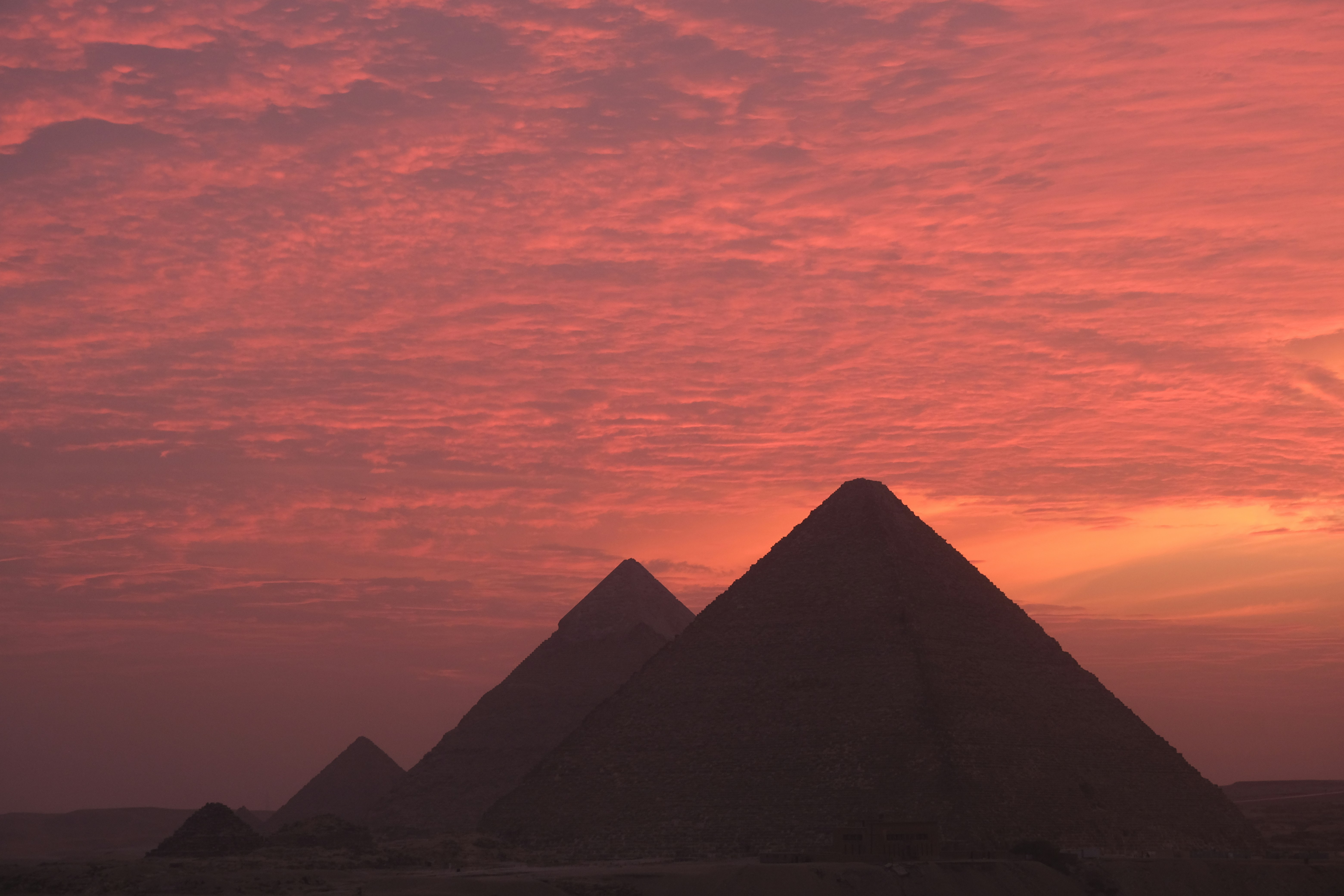
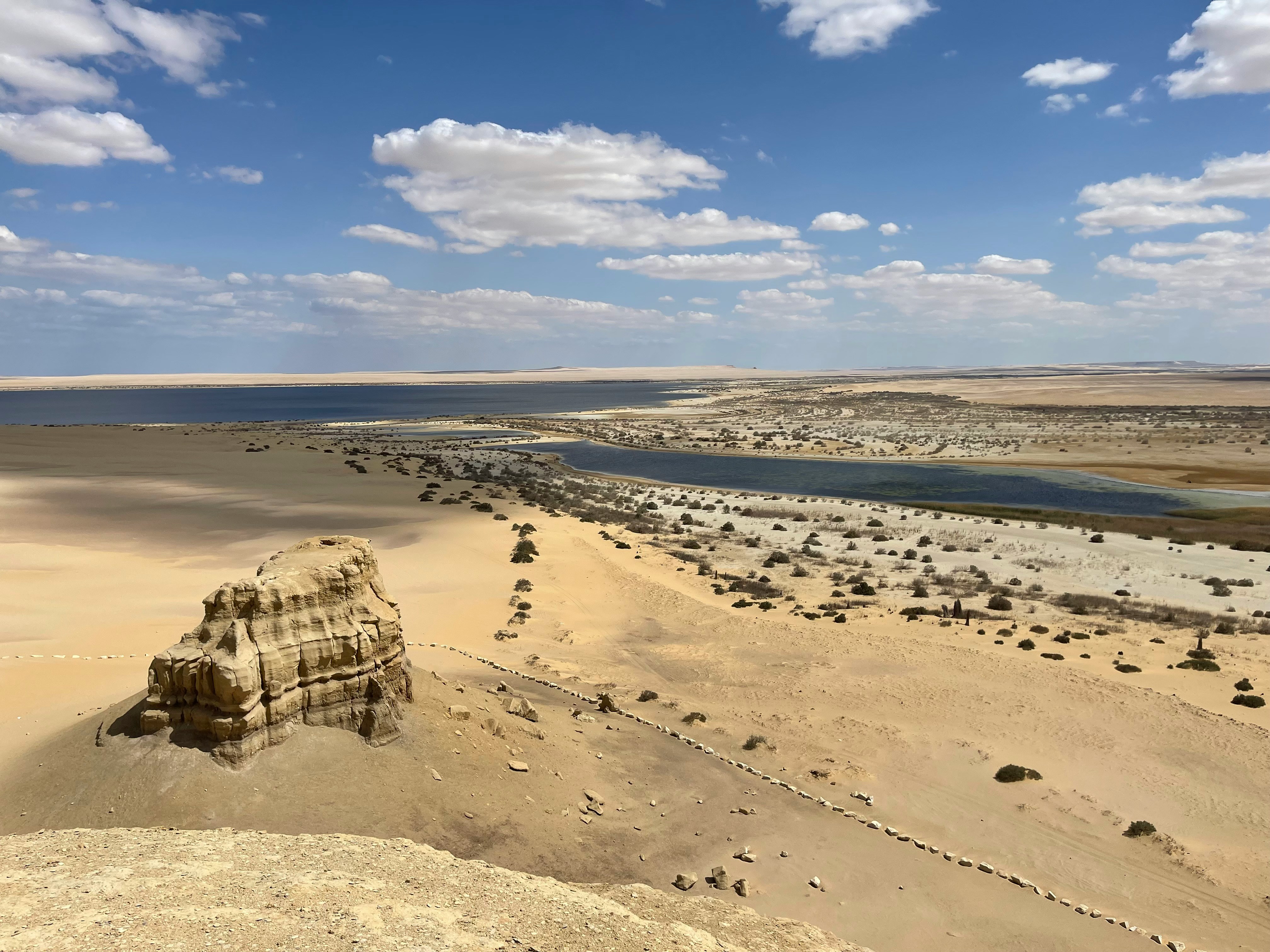
Whether you dream of exploring the majestic Abydos Temple, the serene Siwa Oasis, the unique Fayoum Oasis, or the iconic Pyramids of Giza, Bodda Tours is here to craft your unforgettable private Egyptian adventure. We operate daily from 07:00 to 22:00, ready to assist you.
- WhatsApp: wa.me/201040541153
- KakaoTalk: open.kakao.com/o/smU92Hfi
- Email: info@boddatours.me
- Website: boddatours.me
Sources & References
- Egyptian Ministry of Tourism and Antiquities Official Website (various pages on ancient sites)
- UNESCO World Heritage Centre - List of sites in Egypt (for context on historical significance)
- Wikipedia - Abydos Temple, Seti I, Osiris (for factual details and historical figures)
![[2026 Egypt Tours] Siwa Oasis Honest Review (Desert Safari & History)](https://boddatours.me/images/hq/siwa-salt-lake-hq.jpg)
![[2026 Egypt Tours] Cairo Cafes & Mint Tea (Local Experience)](https://boddatours.me/images/hq/moez-st-hq.jpg)