![[2026 Egypt Wildlife Guide] Desert Foxes Scorpions Eagles: The Living Sands of Siwa Fayoum Western Desert (Ancient Guardians)](https://boddatours.me/images/hq/siwa-safari-hq.jpg)
The Desert Breathes at Night
You hear it before you see it. A whisper through the dunes near Siwa Oasis — not wind, not sand shifting. Something smaller. Something that has survived here longer than any pyramid has stood. I crouched beside a Bedouin fire in the Great Sand Sea three years ago, tea steaming in a glass, when the old man beside me smiled and pointed. "There," he said. "The desert's first child." A fennec fox. Ears like satellite dishes. Eyes holding starlight. It paused, tilted its head, vanished.
That moment changed how I guide. Egypt's desert wildlife isn't a checklist. It's a conversation with time. Every creature here — the fox, the scorpion, the eagle — carries stories older than hieroglyphs. They watched Alexander ride to the Oracle of Amun. They saw the whale bones settle in Fayoum's valley. They'll outlast us all.
This guide isn't about spotting animals. It's about understanding the desert's heartbeat. And if you want to feel that pulse yourself, I know the paths.
Fennec Fox: The Desert's Whisper
Ears That Hear the Earth Turn
The fennec fox (Vulpes zerda) weighs barely a kilogram. Its ears — half its body length — aren't just for show. They radiate heat by day, catch the faintest scratch of a beetle buried centimeters deep by night. I've watched them hunt near the Magic Lake in Fayoum. They don't pounce. They listen. Head cocked. One ear forward, one back. Triangulating life beneath the sand.
Ancient Egyptians knew this fox. The hieroglyph for "fox" (ḏbʿ) appears in Pyramid Texts from the Old Kingdom, associated with the god Anubis in his earliest forms — before the jackal became his primary avatar. In the Temple of Hathor at Dendera, a Ptolemaic relief shows a fennec offering its ears to the goddess, symbolizing divine hearing. The Greeks called it "oryx" — not the antelope, but the "digger" — noting its burrows honeycombed the desert margins.
Where the Fennec Lives
You'll find them across the Western Desert — Siwa Oasis fringes, the Qattara Depression edges, Bahariya Oasis dunes, and Fayoum's northern desert reaches. They prefer stable dunes with sparse vegetation: Calligonum comosum bushes, Zygophyllum shrubs. Their burrows spiral down two meters, branching into chambers. A family occupies one complex — monogamous pairs, kits born in March after a fifty-day gestation.
Best viewing? The hour after sunset. The hour before dawn. When the sand cools and insects stir. I take guests to a ridge overlooking the Great Sand Sea from Siwa's western edge. We wait. No flashlights. Just patience. The desert rewards stillness.
Rüppell's Fox: The Shadow Twin
Larger. Redder. Less famous. Vulpes rueppellii — named for Eduard Rüppell, the German naturalist who traversed Egypt's deserts in the 1820s documenting fauna for the Senckenberg Museum. He wrote of this fox: "It haunts the most desolate places, where neither bird nor beast seems able to exist." He wasn't wrong. Rüppell's fox thrives where fennecs can't — rocky hamada, gravel plains, the Black Desert's volcanic basalt.
I've seen them near the White Desert's chalk formations, silhouetted against moonlit mushrooms of stone. They're bolder than fennecs. Less afraid of firelight. A Bedouin family in Bahariya told me they've learned to follow camel caravans, scavenging scraps — a partnership centuries old.
Scorpions: The Desert's Ancient Chemists
Venom Older Than the Pyramids
Thirty species of scorpion call Egypt home. The most notorious: Androctonus australis — the fat-tailed scorpion, "man-killer" in Arabic (aqrab qatil). Its venom contains neurotoxins that shut down nerve signaling in minutes. But here's what most guides won't tell you: scorpions conserve venom. It's metabolically expensive. They'd rather pinch. They'd rather flee. They've survived 430 million years by not wasting resources.
Under UV light, they fluoresce blue-green — a phenomenon still not fully understood. Some think it's a sunscreen. Others, a way to find each other in darkness. I've walked the dunes near Fayoum's Wadi El-Rayan with a UV torch. The ground glitters. Dozens of scorpions, each a tiny constellation. It feels like walking on an inverted sky.
Scorpions in Egyptian Myth and Medicine
The goddess Serqet (Selket) — "she who causes the throat to breathe" — protected the dead from venom. Her statue guarded Tutankhamun's canopic shrine, arms outstretched in eternal embrace. The Pyramid Texts (Spell 226) invoke her: "O Serqet, make the king's throat breathe." She was patron of healers. The Ebers Papyrus (c. 1550 BCE) lists seven scorpion sting remedies — onions, natron, honey, incantations. Magic and medicine were one.
In Siwa, the old healers still know which scorpion's sting requires which herb. Androctonus venom? A paste of Artemisia herba-alba (desert wormwood) and date palm ash. Leiurus quinquestriatus (deathstalker)? Different formula. I've sat with Siwan tabibs (healers) who diagnose by the victim's pulse, the sting's heat, the time since bite. Their knowledge is oral, unbroken, older than written Arabic.
Living With Scorpions
Bedouin tents have a ritual: shake every blanket at dawn. Check shoes before donning. Sleep on raised platforms. It's not fear. It's respect. The desert teaches boundaries. I tell every guest: "Watch where you place your hands. Watch where you sit. The scorpion isn't hunting you. You're just... in its kitchen."
Eagles and Raptors: Kings of the Thermal
Golden Eagle: The Pharaoh's Shadow
Aquila chrysaetos homeyeri — the North African golden eagle. Wingspan two meters. Talons exerting 400 psi. They nest on cliff faces overlooking the Qattara Depression, the Gilf Kebir plateau, the Red Sea mountains. I've watched a pair hunt near the Valley of the Whales in Fayoum. They don't soar aimlessly. They quarter — systematic, patient, mapping every rodent run, every hare trail.
Ancient Egypt revered the eagle as neret — the divine messenger. The Ba (soul) was often depicted as a human-headed bird with eagle wings. In the Book of the Dead, Spell 77: "I am the great falcon upon the battlements of the house of the one with the hidden name." The eagle saw what mortals couldn't. It connected earth to nut (sky).
At Karnak Temple, the Festival of the Valley featured live eagles released from the sanctuary of Amun-Ra. Priests tracked their flight — omens for the coming year. East meant prosperity. West meant... caution. The practice continued into Roman times. Strabo wrote of it in 24 BCE.
Steppe Eagle: The Migrant Prince
Aquila nipalensis winters in Egypt by the thousands. They arrive in October, fleeing Central Asian steppes. By March, they're gone. I've stood at Gebel Elba in the southeast, watching kettles of fifty, sixty eagles spiral on thermals — a living tornado. They eat mostly carrion here. Follow camel herds. Clean the desert.
Their Arabic name: uqab al-barr — "eagle of the land." Bedouin poets compare them to wise sheikhs: "He circles high, sees all, speaks little." There's a proverb: "The eagle does not hunt flies." Meaning: great souls don't concern themselves with trifles.
Lesser Spotted Eagle and Booted Eagle
Smaller. Subtler. The lesser spotted eagle (Clanga pomarina) passes through Sinai in spring, thousands strong. The booted eagle (Hieraaetus pennatus) — two color morphs, pale and dark — winters in Fayoum's farmlands, hunting rodents among the olive groves. I've photographed them perched on acacia trees near Tunis Village, unbothered by farmers. They know humans who don't threaten them.
The Desert's Hidden Food Web
What the Fox Eats
Fennecs are omnivores. Insects (beetles, locusts, grasshoppers), small rodents (jerboas, gerbils), lizards (geckos, agamas), bird eggs, desert truffles (Terfezia), dates fallen from oasis palms. I've found fennec scat full of date pits and beetle carapaces near Siwa's Cleopatra Spring. They're seed dispersers. Gardeners of the dunes.
Rüppell's fox takes larger prey — sand rats, young hares, even nestling raptors if they find an unguarded eyrie. They cache food. I once dug up a Rüppell's larder near Bahariya: three mummified jerboas, a lizard, a handful of dates. Perfectly preserved in the dry cold.
What Eats the Fox
Golden eagles. Pharaoh eagle-owls (Bubo ascalaphus). Striped hyenas (rare now, but present in Gilf Kebir). Caracals. And humans — though hunting foxes is forbidden in protected areas. The real threat? Habitat loss. Agricultural expansion into desert margins. Climate change drying the last springs.
Scorpion Predators
Meerkats (not in Egypt). Honey badgers (rare, deep desert). Certain birds — the southern grey shrike impales scorpions on acacia thorns, letting venom degrade before eating. The Egyptian nightjar (Caprimulgus aegyptius) swallows them whole. I've watched a nightjar at dusk near Fayoum's Magic Lake — silent flight, wide gape, *snap*. Gone.
Siwa Oasis: Where Wildlife Meets History
Alexander's Oracle and the Desert's Witnesses
331 BCE. Alexander the Great crosses the Western Desert to Siwa. The Oracle of Amun (Zeus-Ammon) confirms his divinity. The same dunes that hid his army's march — 50,000 men lost in a sandstorm, Herodotus claims — hosted fennec foxes then. Scorpions. Eagles. They watched. They remember.
The Shali Fortress — 13th century kershef (salt-mud) citadel — crumbles slowly. Its ruins shelter geckos, scorpions, nesting kestrels. At night, fennecs forage among fallen walls. I've seen a fox kit play on a collapsed stairwell where Siwan guards once stood watch.
Cleopatra's Spring (Ain Juba) — not actually Cleopatra's, but a Roman-era pool — feeds date palms that feed foxes. The salt lakes (Birket Siwa, Birket Zaytun) host brine shrimp that feed birds that feed eagles. Everything connects.
Siwa's Protected Status
Siwa Oasis and its surroundings form a protected area under Egyptian Environmental Affairs Agency (EEAA) management since 2002. The Siwa Protected Area covers 7,800 km² — dunes, depressions, springs, archaeological sites. It's a UNESCO Biosphere Reserve nominee. BirdLife International designates it an Important Bird Area (IBA) for migratory raptors and the endemic Siwa white-toothed shrew (Crocidura siwaensis).
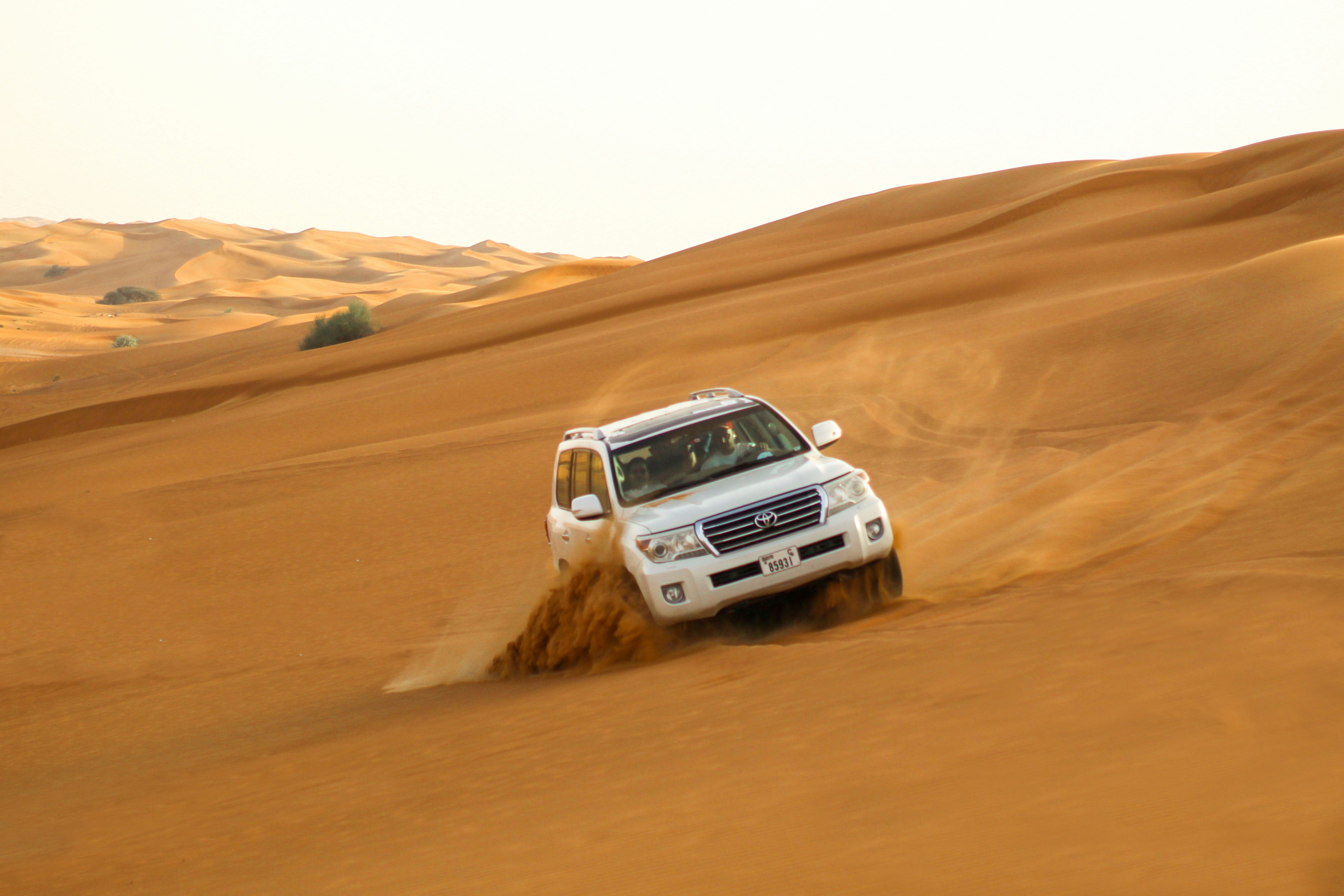
Bodda Tours operates within these protections. Our 4x4 jeeps stay on established tracks. Our guides know every nesting site, every den, every sensitive zone. We don't chase. We wait. The desert comes to those who respect it.
Fayoum Oasis: Whales, Waterfalls, and Wings
Valley of the Whales: Where Desert Meets Deep Time
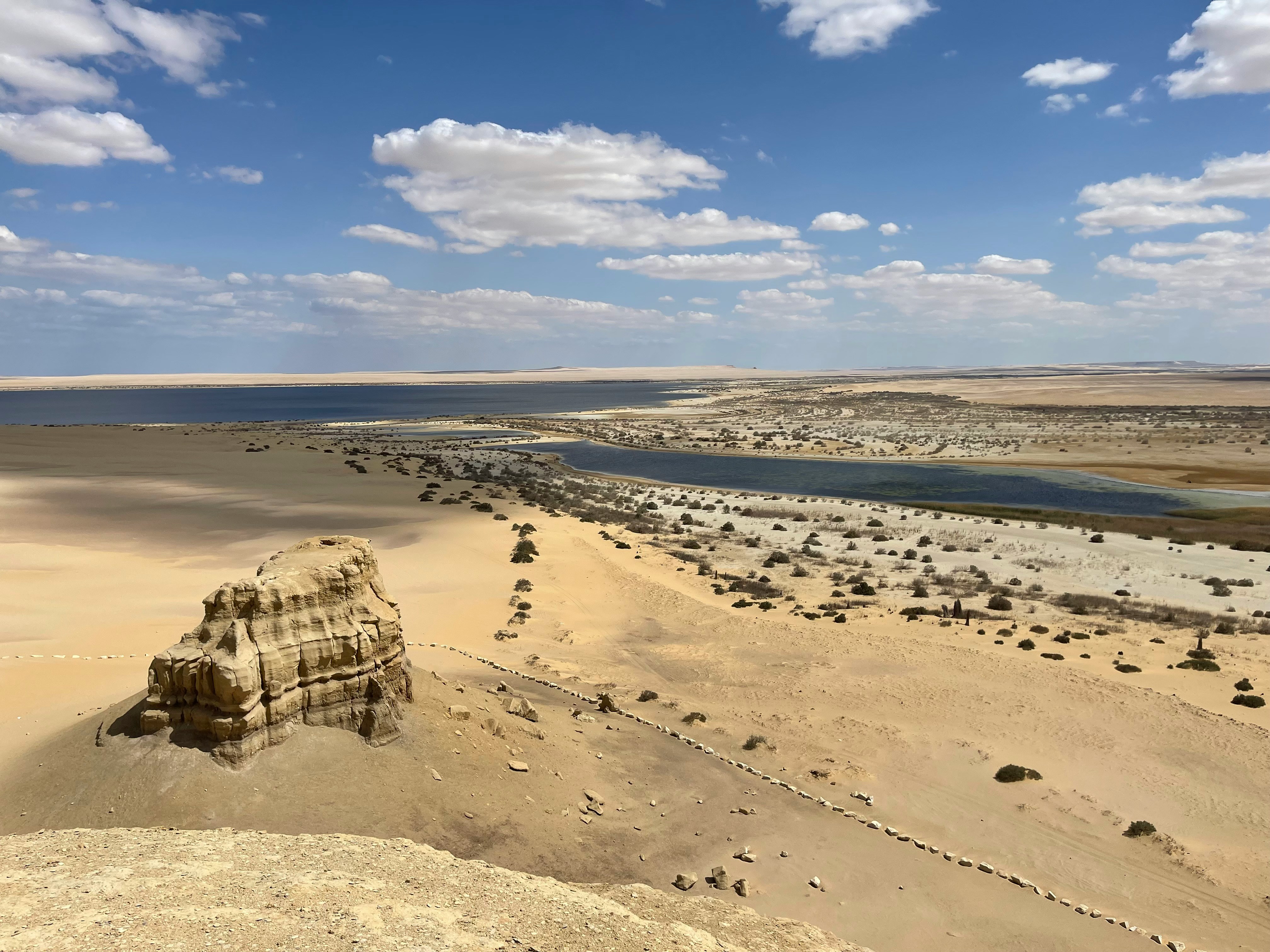
Wadi Al-Hitan (Valley of the Whales) — UNESCO World Heritage Site since 2005. Forty million years ago, this was Tethys Sea. Basilosaurus and Dorudon — archaeocete whales with vestigial hind limbs — swam here. Their skeletons lie exposed in sandstone, vertebrae the size of dinner plates. I've walked these ridges at dawn. The silence is absolute. Then — a golden eagle's cry. The past and present collapse.
The valley's geology traps heat. Thermals rise early. Raptors congregate. I've counted seven species in one morning: golden eagle, steppe eagle, short-toed snake eagle, long-legged buzzard, kestrel, lanner falcon, Egyptian vulture. They ride the same air that once lifted pterosaurs.
Magic Lake and Wadi El-Rayan: Desert Miracles
Magic Lake — a freshwater lens in the desert, fed by agricultural drainage, surrounded by dunes. It shouldn't exist. But it does. Tilapia thrive. Herons fish. Foxes drink at its edges. I've photographed fennec tracks in the mud at sunrise — perfect tiny prints, claws showing.
Wadi El-Rayan's waterfalls — Egypt's only natural waterfalls — cascade between two artificial lakes created in the 1970s to manage Fayoum's drainage. The upper lake feeds the lower. Reeds fringe the shores. Birds flock: white-eyed gull, slender-billed gull, ferruginous duck. The desert adapts. Life finds water.
Tunis Village: Pottery and Predators
Tunis Village — established in the 1960s by Swiss potter Evelyne Porret — sits on Lake Qarun's southern shore. Its mud-brick houses blend into the landscape. Potters work open-air wheels. And around them, the desert thrives. Little owls nest in walls. Hoopoes probe lawns. At night, scorpions hunt the insects drawn to workshop lights.
I bring guests here for lunch at a local family's home. The grandmother serves feteer meshaltet (layered pastry) with honey and white cheese. While we eat, a pharaoh eagle-owl calls from the palm grove. "She's been here twenty years," the host says. "She raised three broods in that date palm. We're neighbors."
Western Desert: The Great Sand Sea and Beyond
Bahariya Oasis: Gateway to the Black and White
Bahariya — "Northern Oases" in Arabic — sits in a depression 370 km southwest of Cairo. Its black hills (iron-rich quartzite) give the Black Desert its name. The White Desert (Sahara el-Beida) — chalk formations sculpted by wind into mushrooms, chickens, sphinxes — lies to the south. Between them: life.
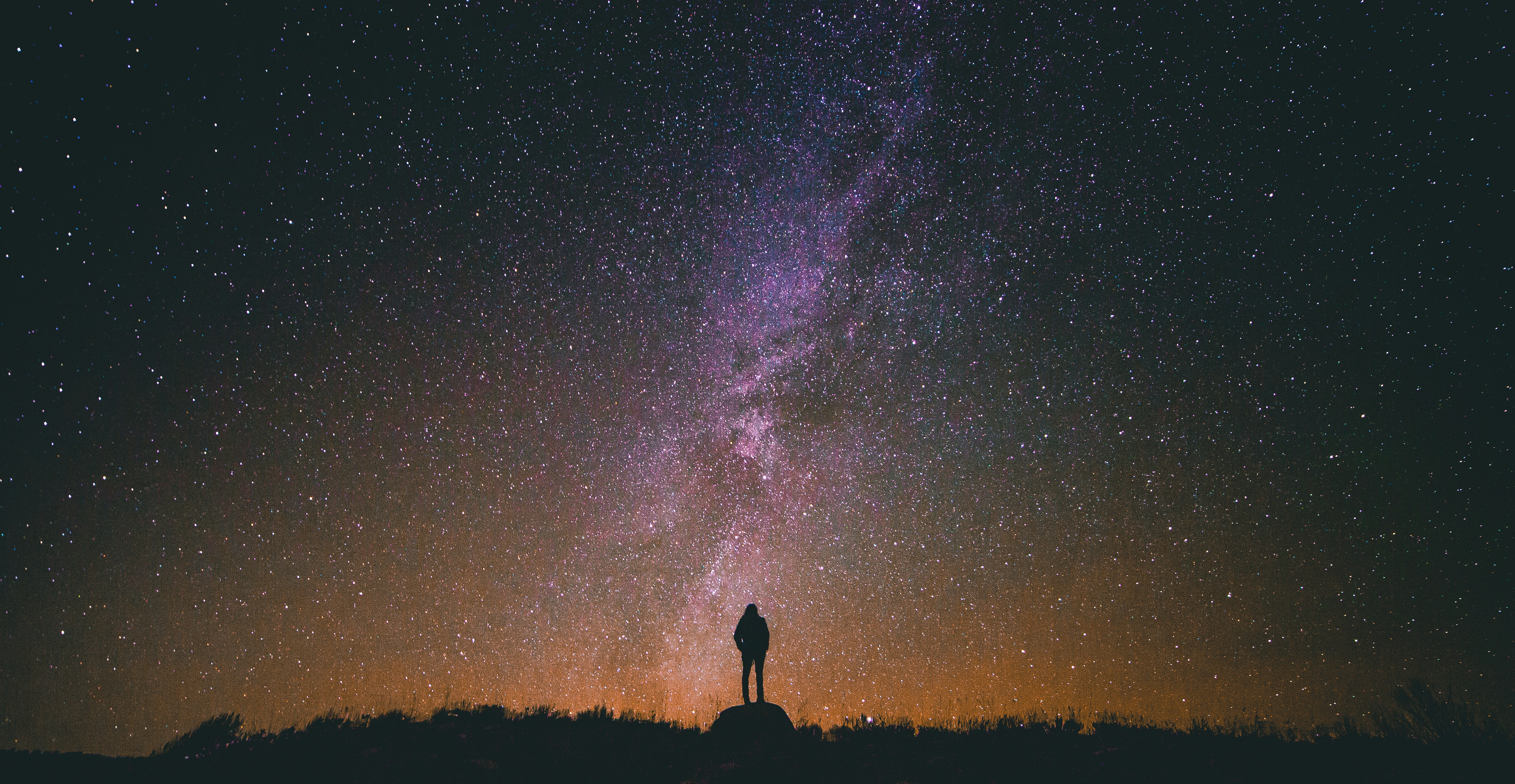
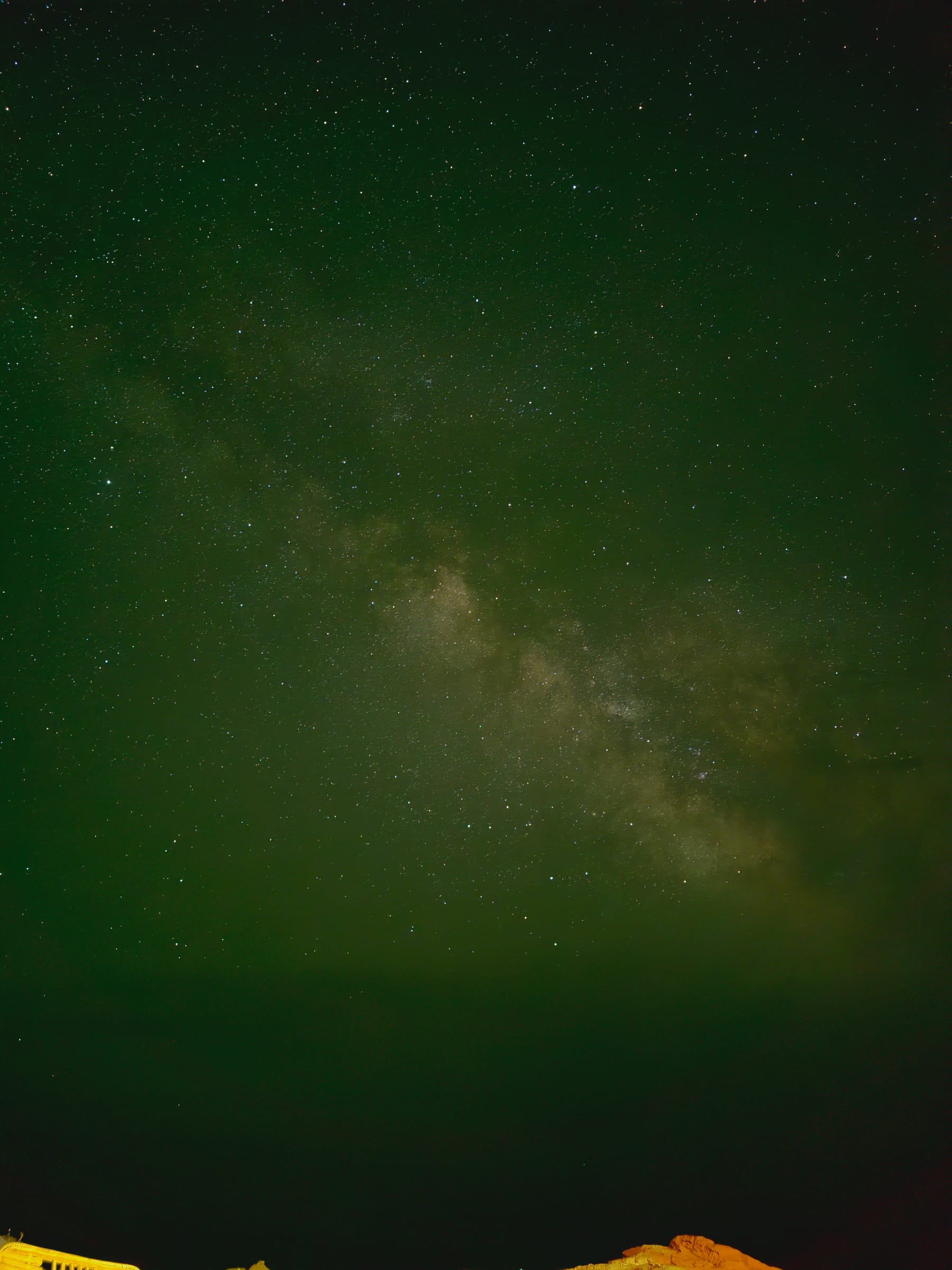
Golden eagles nest on Black Desert cliffs. Fennecs den in White Desert sand pockets. Rüppell's foxes patrol the gravel plains between. I've camped here dozens of times. The night sky — Bortle Scale 1, true darkness — reveals the Milky Way's structure. Scorpions fluoresce around camp. Eagles roost on chalk pinnacles. You feel small. Correctly small.
Gilf Kebir and Uweinat: The Final Frontier
Southwest. Near the Libyan and Sudanese borders. Gilf Kebir — a sandstone plateau the size of Switzerland. Uweinat — a ring complex of granite, highest point in the Eastern Sahara (1,934 m). Prehistoric rock art: swimmers, cattle, giraffes — proof this was savanna 8,000 years ago.
Today: Barbary sheep (Ammotragus lervia) cling to cliffs. Dorcas gazelles (Gazella dorcas) haunt wadis. Golden eagles rule. The critically endangered lappet-faced vulture (Torgos tracheliotos) nests on Uweinat's cliffs. Few Egyptians reach here. Fewer foreigners. It's a journey of days, not hours. But if you go — with proper permits, proper guides, proper respect — you touch something untouched.
Eastern Desert and Red Sea Mountains
Wadi El-Gemal: Where Mountains Meet Sea
Wadi El-Gemal National Park — 7,450 km² of desert mountains, coastal mangroves, coral reefs. Nubian ibex (Capra nubiana) scale cliffs. Striped hyenas roam wadis. Golden eagles nest in Gebel Hamata. The Ababda Bedouin — descendants of the ancient Blemmyes — still herd goats here, tracking by stars.
I've traveled with Ababda guides. They read tracks like I read text. "Fox passed here three hours ago," one told me, pressing his palm to sand. "Female. Heavy with kits. She drank at the well." He was right. We found her den that evening.
Gebel Elba: Egypt's Cloud Forest
Far southeast. Gebel Elba captures Red Sea mist — a "mist oasis" supporting acacia forests, dragon trees (Dracaena ombet), and a bird list exceeding 400 species. Verreaux's eagle (Aquila verreauxii) — the black eagle — hunts hyraxes here. It's Egypt's only population. The mountain is a military zone. Access requires special permits. But its existence proves: Egypt's deserts hold secrets we're still discovering.
Seasons: When the Desert Wakes
Spring (March-May): The Bloom
Winter rains (if they come) trigger germination. Desert flowers carpet wadis: Zygophyllum, Fagonia, Cistanche (desert hyacinth, parasitic on Calligonum roots). Insects explode. Reptiles emerge. Foxes breed. Eagles fledge. Migratory raptors pass north. This is the desert's loudest season.
But: khamsin winds — hot, dry, sand-laden — blow from the south in April-May. They can last days. Visibility drops. Temperatures spike. Wildlife hides. If you're here during khamsin, you wait. The desert teaches patience.
Summer (June-August): The Crucible
Daytime temperatures exceed 45°C. Surface sand hits 70°C. Most mammals are nocturnal. Reptiles estivate. Raptors soar high on thermals, hunting at dawn only. Scorpions? They're active. Their cuticle prevents desiccation. They hunt at night, retreating to deep burrows by day.
I don't recommend summer desert camping for most travelers. But if you're heat-acclimated, the night sky is unbeatable. Perseids meteor shower in August. Zero light pollution. Just you, the stars, and a billion scorpions glowing beneath your feet.
Autumn (September-November): The Return
Temperatures moderate. Migratory raptors return south — steppe eagles, lesser spotted eagles, honey buzzards by the thousands. Fayoum's lakes fill with wintering waterbirds. Siwa's dates ripen. Fox kits disperse, establishing territories. It's the sweet spot for wildlife watching.
Winter (December-February): The Clarity
Crisp days (15-20°C). Cold nights (near freezing in dunes). Clear air — best photography light. Resident raptors defend territories. Fennecs more active by day, conserving night warmth. Scorpions less visible. But the desert's contours sharpen. Shadows stretch. Silence deepens.
How to Experience Egypt's Desert Wildlife
Getting There: The Paths to Wildness
Siwa Oasis: 750 km from Cairo. 8-9 hours by road via Marsa Matruh coastal highway, then desert track. Or 10 hours via Bahariya and the Great Sand Sea track (4x4 only). Flights to Siwa's small airport are irregular.
Fayoum Oasis: 100 km from Cairo. 1.5-2 hours by road. Accessible by regular vehicle. Valley of the Whales requires 4x4 for the final 40 km desert track.
Bahariya Oasis: 370 km from Cairo. 4-5 hours by road. Black and White Deserts require 4x4.
Western Desert deep south (Gilf Kebir, Uweinat): 1,000+ km. Multi-day expeditions. Special permits. Not for casual visitors.
Eastern Desert (Wadi El-Gemal, Gebel Elba): From Marsa Alam or Aswan. 4x4 required. Gebel Elba needs military clearance.
What to Wear: Respect the Land
Loose, long-sleeved shirts and trousers — protection from sun, sand, insects, and cultural respect in oasis communities. Wide-brimmed hat. Sturdy closed boots (scorpions don't climb smooth leather easily). Light layers for temperature swings. Headlamp with red filter (preserves night vision, disturbs wildlife less). UV torch if you want to see scorpions fluoresce — but use sparingly.
Women: modest dress in oasis towns — shoulders covered, skirts/trousers below knee. Men: no shorts in villages. It's not about rules. It's about being a guest in someone's home.
Is It Worth It?
Yes. But not for the reasons you expect.
You don't go to see a fennec fox. You go to sit in silence until the desert decides you're ready. You don't go to photograph a golden eagle. You go to understand why ancient Egyptians saw divinity in its flight. You don't go to find scorpions. You go to learn how a creature survives 430 million years without changing its nature.
The wildlife is the excuse. The desert is the teacher.
Nearby Wonders Bodda Tours Also Reveals
Siwa's salt lakes mirror the sky. Shali Fortress holds centuries. Cleopatra Spring steams at dawn. The Oracle Temple ruins whisper. Fayoum's Tunis Village spins pottery from Nile silt. Magic Lake changes color with the hour. Wadi El-Rayan's falls sing in the desert. Valley of the Whales displays evolution in stone. Bahariya's Golden Mummies sleep in hillside tombs. The Black Desert's volcanoes sleep deeper. The White Desert's chalk dreams in moonlight.
Luxor's Valley of the Kings holds royal secrets. Karnak's columns march toward eternity. Aswan's Philae Temple rose from rising waters. Abu Simbel's Ramses watches the sun. Alexandria's Bibliotheca rebuilds memory. Cairo's Khan el-Khalili trades in stories.
Every place connects. The fox in Siwa and the eagle in Luxor share the same sky. The scorpion in Fayoum and the hieroglyph in Karnak share the same history.
Why Choose Bodda Tours
I'm not a booking platform. I'm not a middleman. I'm Bodda — born in Cairo, raised on these streets, these sands, these stories. When you message me on WhatsApp, I reply. Usually within ten minutes. Not a bot. Not an agent. Me.
Our tours are 100% private. No shared buses. No cramped seats. No fixed schedules that rush you past wonder. You want to wait three hours for a fennec fox? We wait. You want to skip the tourist circuit and sit with a Siwan healer? We arrange it. Your pace. Your interests. Your journey.
Korean-speaking guides. Zero language anxiety. You ask, you understand, you connect.
Real 4x4 jeeps. Professional drivers. No tuktuk "safaris" — some operators sell fake tuktuk desert tours that are a total scam; they can't handle dunes, they break down, they're dangerous. We use proper vehicles. Proper drivers. Proper safety.
Door-to-door service. Airport pickup. Hotel drop-off. Clean A/C cars. Verified tours only. No hidden fees. No commission markups. The price you see is the price you pay — and we don't discuss prices here because every journey is custom. You tell me your dream. I build it.
Real traveler reviews — ask me, I'll send recent guests' words. Their photos. Their voices.
If something goes wrong — a delay, a breakdown, a sandstorm — we make it right. Compensation guarantee. Because I stand behind every kilometer.
Ready to Explore Egypt? Contact Bodda Tours Today
Whether you dream of Siwa's salt lakes, Fayoum's waterfalls, or a private pyramid tour, Bodda Tours is here to make it happen. Reach out anytime between 07:00-22:00 daily.
- WhatsApp: wa.me/201040541153
- KakaoTalk: open.kakao.com/o/smU92Hfi
- Email: info@boddatours.me
- Website: boddatours.me
Sources & References
- Egyptian Environmental Affairs Agency (EEAA) — Siwa Protected Area Management Plan
- UNESCO World Heritage Centre — Wadi Al-Hitan (Valley of the Whales) Documentation
- BirdLife International — Important Bird Areas in Egypt: Siwa Oasis, Wadi El-Rayan, Gebel Elba
- Rüppell, E. (1826) "Atlas zu der Reise im nördlichen Afrika" — Senckenberg Museum Frankfurt
- Andrews, C. (1994) "Amulets of Ancient Egypt" — University of Texas Press
- Goodman, S.M. & Helmy, I. (1986) "The Mammals of Egypt" — Field Museum of Natural History
- Egyptian Ministry of Tourism and Antiquities — Official Site Descriptions for Siwa, Fayoum, Western Desert
![[2026 Egypt Tours] Siwa Oasis Honest Review (Desert Safari & History)](https://boddatours.me/images/hq/siwa-salt-lake-hq.jpg)
![[2026 Egypt Tours] Siwa Oasis Private Tour (Desert Safari & History)](https://boddatours.me/images/hq/milky-way-hq.jpg)