![[2026 Egypt Tours] Valley of the Kings (Royal Tombs & Ancient Secrets)](https://boddatours.me/images/fallback-post.png)
The Valley of the Kings: Where Pharaohs Rest in Eternity
Imagine standing at the entrance to a tomb carved deep into the rock, untouched for thousands of years. The air is cool, carrying whispers of pharaohs and gods. That's the feeling I get every single time I visit the Valley of the Kings. It’s not just a collection of tombs; it’s a gateway to the heart of ancient Egyptian power and belief. If you're thinking about an Egypt history tour, this place is an absolute must. It’s the culmination of centuries of Pharaonic ambition, a testament to their quest for eternal life.
I remember my first time as a young boy, clutching my father's hand, the sheer scale of the place overwhelming. It felt like stepping onto another planet, a silent city of the dead that spoke louder than any city of the living. This is what a true Luxor tour should feel like – immersive, awe-inspiring, and deeply connected to the past.
────────────────Why is the Valley of the Kings So Special?
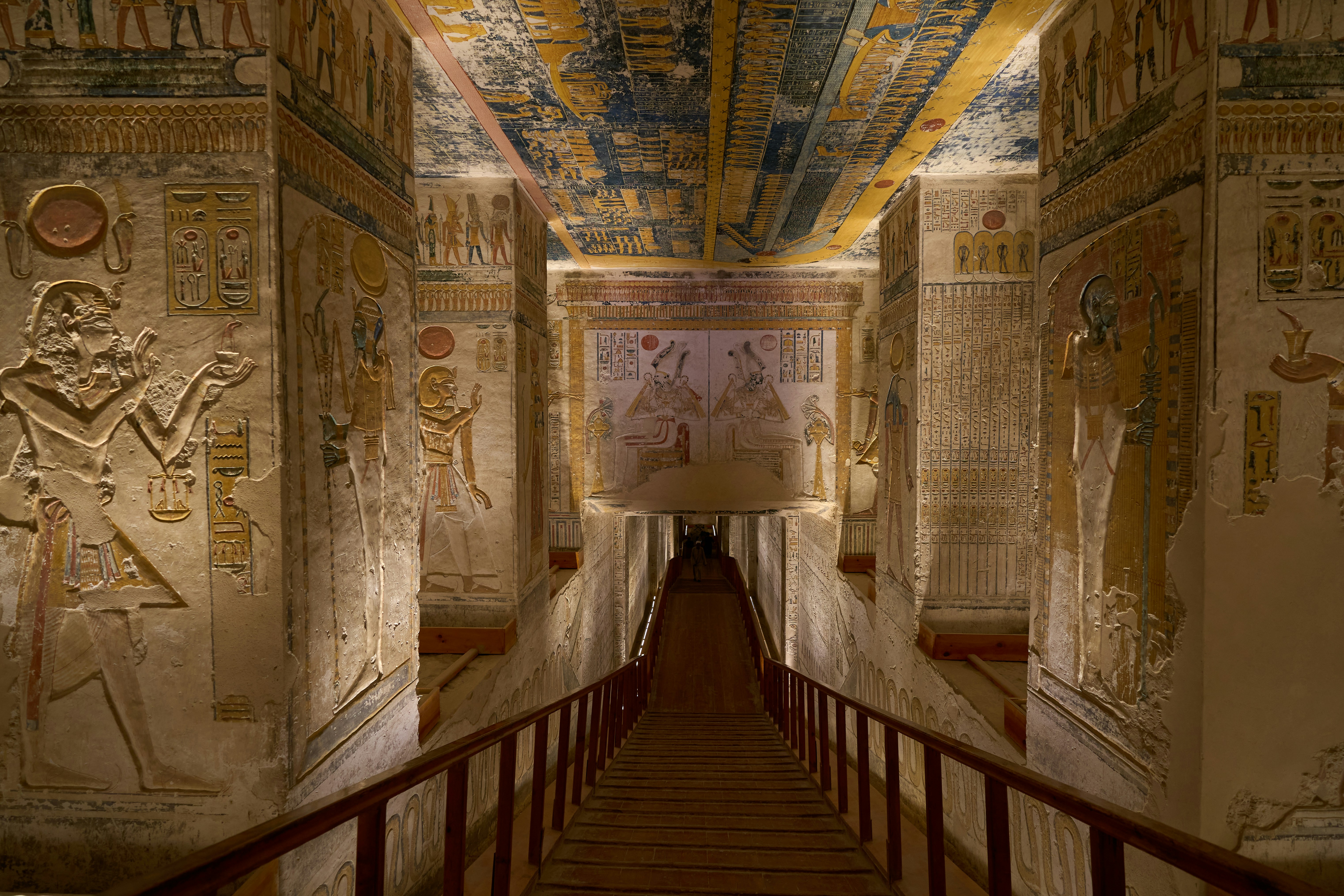
It’s the silence that hits you first. A profound quiet that seems to absorb the modern world. Then, you start to notice the colors. The vibrant blues, reds, and yellows of the hieroglyphs, still astonishingly bright after millennia. These aren't just decorations; they are spells, prayers, and histories meant to guide the deceased pharaoh into the afterlife. This is the heart of the Theban Necropolis, a UNESCO World Heritage site, where the rulers of the New Kingdom (roughly 1550-1070 BC) chose to hide their eternal resting places.
Unlike the pyramids, which were grand, public statements of power, the tombs in the Valley of the Kings were designed for secrecy. The pharaohs wanted to protect their treasures and their mummified bodies from tomb robbers. They dug deep into the cliffs, creating complex corridors and chambers, hoping the desolate landscape would deter intruders. And for a while, it worked. Many tombs remained intact for centuries, offering us an unparalleled glimpse into their world.
I’ve spent countless hours exploring these tombs, and I’m still amazed by the detail. From the intricate depictions of the Book of the Dead to the astronomical ceilings representing the night sky, every inch tells a story. It’s a level of artistry and spiritual dedication that’s hard to comprehend. This is why it’s such a central part of any Egypt tours package I recommend.
────────────────A Journey Through Dynasties: Who is Buried Here?
The Valley of the Kings is the final resting place for many of Egypt’s most famous pharaohs. Think of the names you know: Tutankhamun, Ramesses the Great, Thutmose III, Amenhotep III. These were the rulers who commanded vast empires, built magnificent temples, and shaped the course of history. Their tombs are not just burial sites; they are elaborate 'mansions for eternity,' designed to facilitate their journey to the afterlife and ensure their continued existence.
The New Kingdom was a period of immense wealth and power for Egypt. Pharaohs expanded their territories, engaged in international diplomacy, and commissioned massive building projects. The tombs in the Valley of the Kings reflect this prosperity and the sophisticated religious beliefs of the time. They believed in a complex afterlife, with the pharaoh needing provisions, divine protection, and a clear path through the underworld.
Each tomb is unique, reflecting the personality and reign of the pharaoh it houses. Some are grand and expansive, while others are more modest. But all are adorned with exquisite reliefs and paintings that depict the pharaoh's journey through the Duat (the underworld) and his encounters with various gods and goddesses. It's a visual narrative that has captivated archaeologists and travelers for centuries. Understanding this context is key to appreciating what makes the Valley of the Kings tour so profound.
────────────────The Most Famous Tombs: A Glimpse into Royal Splendor
You could spend weeks exploring all the tombs, but some are simply unmissable. They offer different insights into the Pharaonic world. These are the ones that always leave my guests breathless.
KV62: Tutankhamun's Tomb – The Boy King's Treasure
Even though it’s one of the smallest and least decorated tombs in the valley, Tutankhamun's tomb (KV62) is arguably the most famous. Why? Because when Howard Carter discovered it in 1922, it was almost completely intact. Imagine finding a treasure trove of gold, chariots, furniture, and religious artifacts, undisturbed for over 3,000 years! The sheer wealth and artistry are mind-blowing. While the actual mummy is now in the Egyptian Museum (and sometimes displayed in Luxor), the tomb itself is a powerful reminder of the riches that once filled these sacred spaces. It’s a small tomb, but its impact on our understanding of ancient Egypt is immeasurable. This is a highlight of any private Egypt tours focusing on discovery.
KV17: Seti I's Tomb – The Painted Masterpiece
This tomb is often considered one of the most beautiful in the valley. While its sarcophagus is in the Sir John Soane's Museum in London, the tomb itself (KV17) is stunning. The reliefs are incredibly detailed and beautifully preserved, showcasing scenes from the Book of Gates. The colors are still remarkably vibrant, and the scale is impressive. Walking through its long corridors, you feel a sense of wonder at the craftsmanship and the spiritual purpose behind every carving. It truly feels like stepping into a sacred text.
KV34: Thutmose III's Tomb – A Unique Layout
The tomb of Thutmose III (KV34) has a very distinctive shape, with a descending corridor leading to a rectangular burial chamber. It's known for its beautiful wall paintings, which are very different from other tombs, often featuring hieroglyphs in red and black on a yellow background. It feels more personal, more direct. Thutmose III was a great warrior pharaoh, and his tomb reflects a certain boldness and strength.
KV9: Ramesses VI's Tomb – Astronomical Wonder
This tomb is famous for its incredible astronomical ceiling in the burial chamber. It depicts the journey of the sun god Ra through the underworld. The detail is phenomenal, showing constellations and celestial events. The walls are covered with scenes from the Book of the Amduat, detailing the 12 hours of the night and the pharaoh's passage through them. It's a truly mesmerizing sight and gives you a profound sense of the ancient Egyptians' understanding of the cosmos. This is a prime example of what you experience on a dedicated Egypt history tour.
KV11: Ramesses III's Tomb – The Harpers' Tomb
This tomb is known for its lively scenes and the famous depictions of blind harpists, which gives it its nickname. It's one of the largest tombs in the valley, with many chambers and passages. The artwork here is varied and shows different aspects of daily life and religious rituals, offering a rich tapestry of Pharaonic culture. It feels less formal in places, more human, which is fascinating.
These are just a few highlights, of course. Each tomb has its own story, its own unique artistic style, and its own contribution to our understanding of this incredible civilization. Exploring them is like piecing together a giant, ancient puzzle.
────────────────The Experience: What to Expect When You Visit
Visiting the Valley of the Kings is an adventure. It’s hot, it’s dusty, and it’s absolutely spectacular. The site is managed by the Egyptian Ministry of Tourism and Antiquities, and you’ll need a ticket to enter. Your ticket typically allows you to visit three tombs, but there are special tickets for certain tombs like Tutankhamun's or Seti I's. I always advise my guests to check current ticket inclusions before they go.
When you arrive, you’ll see a small path winding through the barren landscape. The tombs are marked with their KV numbers (Kings' Valley). The heat can be intense, especially in the summer months, so wearing light, breathable clothing is essential. A hat and sunscreen are your best friends here. I also recommend bringing a bottle of water – staying hydrated is key. The air inside the tombs is dry and still, so the temperature is usually a few degrees cooler than outside, which is a welcome relief.
Inside, you’ll find steps and ramps leading down into the earth. The walls are covered in intricate carvings and paintings. Photography rules can change, and flash photography is usually forbidden to protect the ancient artwork. It’s best to follow the instructions of the guides and guardians on site. I always encourage people to take their time, absorb the details, and imagine the pharaoh being brought here for the last time. It’s a profoundly moving experience. This is the kind of deep dive that makes a private Egypt tours with Bodda Tours so special.
The sheer effort involved in carving these tombs, transporting the massive sarcophagi, and decorating every surface is staggering. It speaks volumes about the power and resources of the New Kingdom pharaohs. It’s a place where you can truly feel the weight of history. For anyone interested in Egypt history tours, this is the pinnacle.
────────────────Planning Your Valley of the Kings Visit
The best time to visit the Valley of the Kings is generally during the cooler months, from October to April. The summer months (June to August) can be extremely hot, with temperatures soaring. If you are visiting in summer, I strongly recommend going early in the morning, right when the site opens, to avoid the worst of the heat.
Getting to the Valley of the Kings is straightforward if you’re already in Luxor. It’s located on the west bank of the Nile, across from the main city. Most visitors arrive by taxi, private car, or as part of a guided tour. From the ticket office area, there’s usually a small shuttle bus that takes you further into the valley to the cluster of open tombs. Walking between the tombs is also an option if you want to take your time and enjoy the scenery.
When it comes to choosing which tombs to visit, it can be a bit overwhelming. If you have a standard ticket, you can usually choose three from a selection of tombs that are open to the public. Some tombs require an additional ticket, like KV62 (Tutankhamun’s) and KV17 (Seti I’s). I usually recommend a mix of famous and less-famous tombs to get a broader understanding. For example, a combination of Ramesses VI (KV9), Thutmose III (KV34), and perhaps Ramesses III (KV11) can offer a great overview. If your budget allows, adding Tutankhamun's tomb is a unique experience.
For those looking for a truly in-depth experience, consider a Luxor tour that includes a knowledgeable guide. A good guide can bring the hieroglyphs to life, explain the symbolism, and share stories that you might otherwise miss. They can also help you navigate the site and make the most of your visit. Understanding the history and mythology is what elevates a visit from sightseeing to a genuine historical exploration.
Remember to dress respectfully. Shoulders and knees should be covered. Comfortable walking shoes are a must, as you’ll be doing a fair bit of walking and descending stairs. The Valley of the Kings is a place of immense historical and spiritual significance, and dressing modestly shows that respect.
────────────────Why Choose Bodda Tours for Your Egypt Adventure?
When you’re planning an Egypt history tour, especially to iconic places like the Valley of the Kings, you want an experience that is seamless, authentic, and memorable. That’s exactly what I aim for with Bodda Tours. We’re not a faceless company; we’re a team of local Egyptians who are passionate about sharing our country’s incredible heritage with you.
Here’s what makes traveling with us different:
- 100% Private Tours: Forget crowded buses and fixed schedules. With Bodda Tours, you get your own private car with A/C, your own driver, and a dedicated guide. This means flexibility, comfort, and a pace that suits you. We go door-to-door, so you don't have to worry about a thing.
- Korean-Speaking Guides: Language barriers can be stressful. That’s why we offer experienced, friendly Korean-speaking local guides. They don’t just translate; they share deep cultural insights and ensure you feel completely comfortable and understood. This is a huge advantage for many of our guests.
- No Scams, No Tricks: I’ve built Bodda Tours on trust. We work only with verified tours and reputable sites. You won’t encounter any hidden fees, commission-based shopping traps, or unexpected charges. It’s transparent service from start to finish.
- Real Local Expertise: I’m Bodda, and I was born and raised in Cairo. I know Egypt like the back of my hand. We’re not resellers or middlemen. You book directly with us, the people who run the tours. This means better service and a more authentic connection to the places you visit.
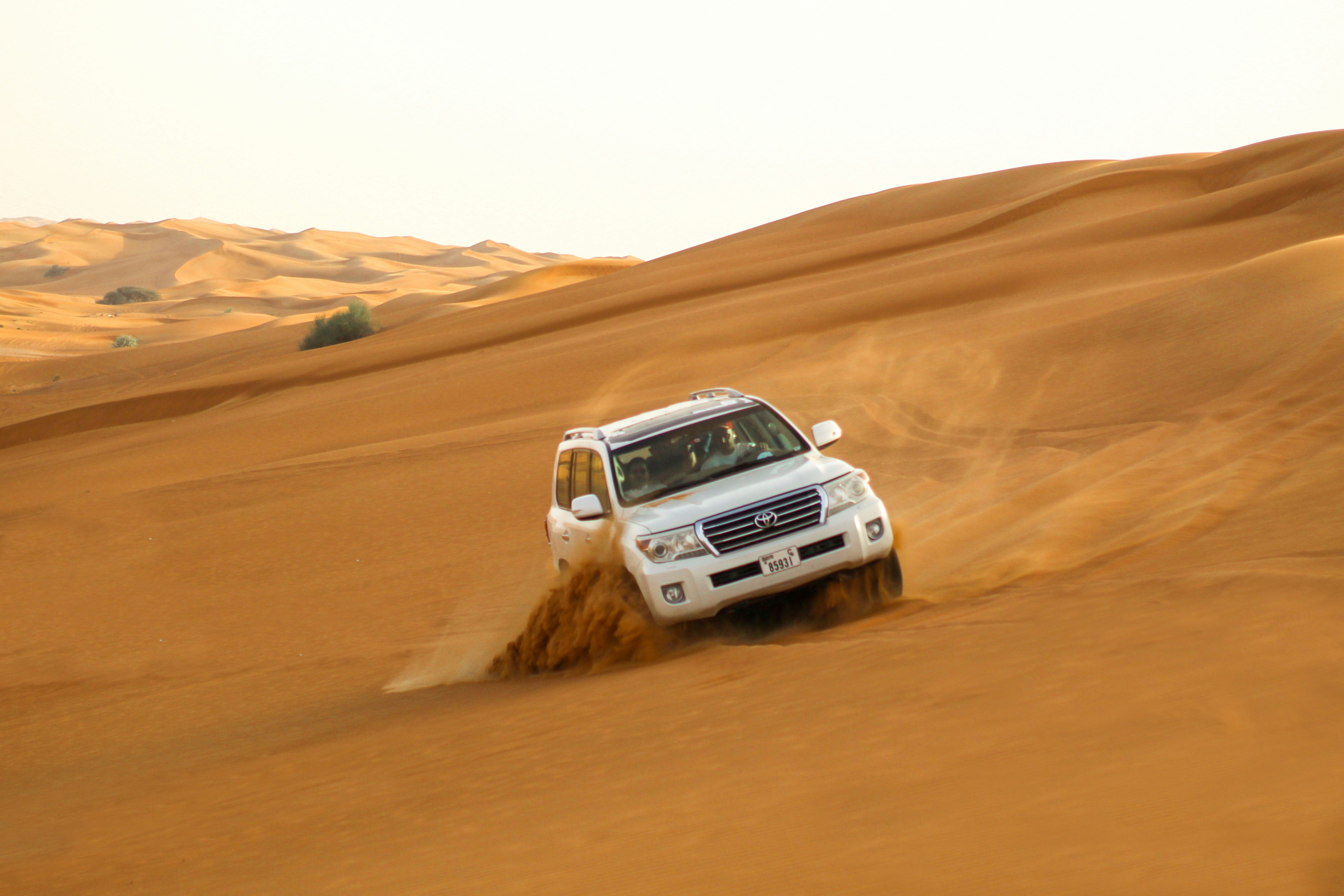
- No Tuktuk Fake Safaris in Siwa: In places like Siwa Oasis, some operators try to pass off unsafe or disappointing tuktuk rides as safaris. Bodda Tours guarantees real 4x4 jeeps with professional drivers for all our desert adventures, ensuring your safety and enjoyment.
- Custom Itineraries: Whether you’re a photography enthusiast, a foodie, or just want to take things at a relaxed pace, we can tailor your trip. Tell me what you’re interested in, and I’ll craft an itinerary that’s perfect for you.
- Peace of Mind: If anything unexpected happens, like a delay or issue, we’re committed to making it right. Your satisfaction and comfort are our top priorities.
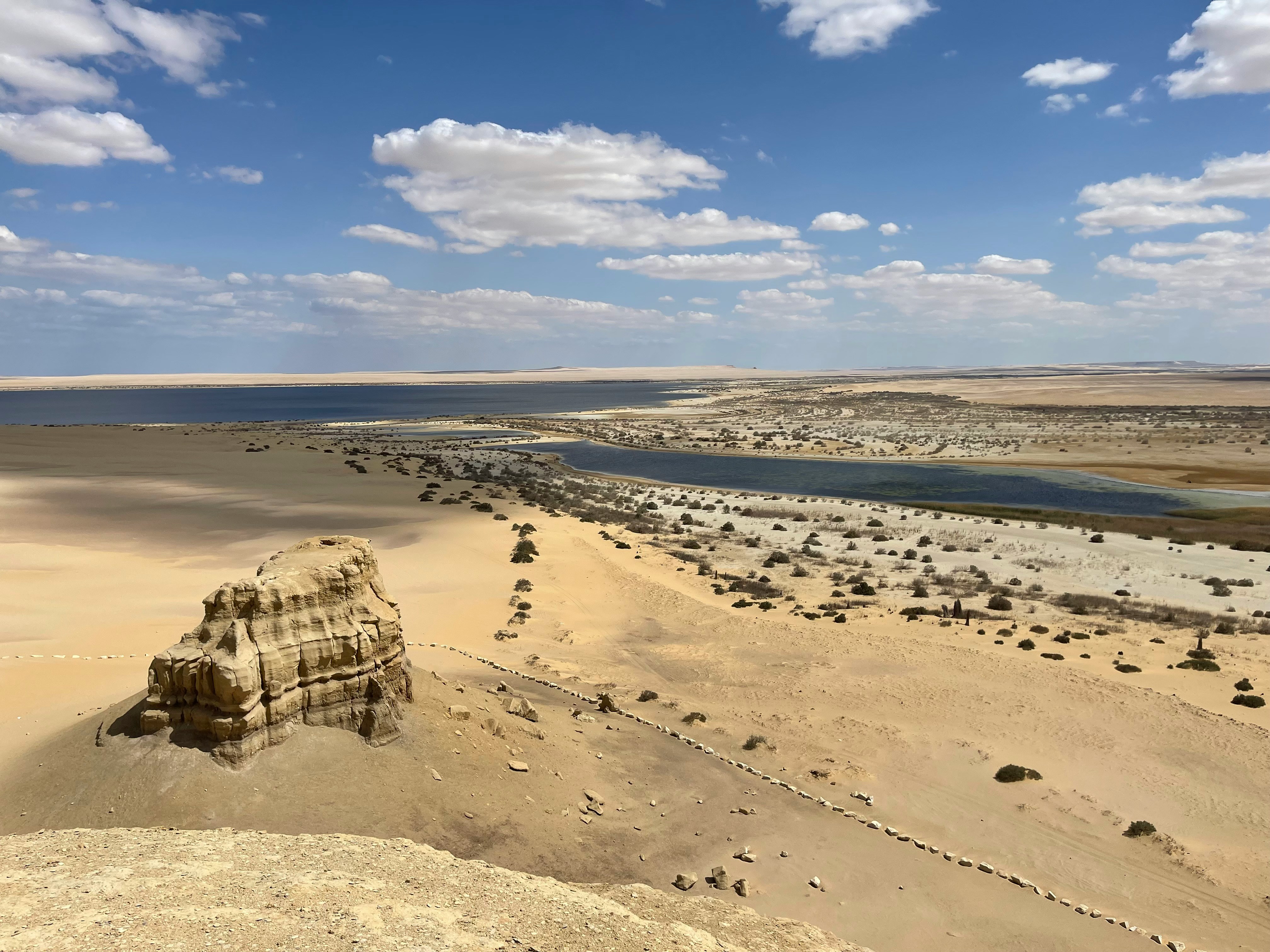
We offer a wide range of tours, from private Siwa Oasis tours and Fayoum Oasis tours that explore Egypt's stunning deserts and unique landscapes, to in-depth historical journeys through Luxor and Aswan. We can even combine these into multi-city packages for a comprehensive experience.
────────────────Beyond the Valley: Other Must-See Sites in Luxor
Your Luxor tour doesn't have to end with the Valley of the Kings. Luxor is packed with incredible Pharaonic wonders, each with its own story and grandeur. I always tell my travelers that Luxor is like an open-air museum, and you could spend days here and still not see everything.
Karnak Temple Complex
This is, without a doubt, one of the most impressive religious sites in the world. Karnak wasn't built by a single pharaoh; it was expanded and modified by rulers over a period of 2,000 years. It's a sprawling complex dedicated primarily to the god Amun-Ra. The Hypostyle Hall, with its forest of giant columns, is particularly awe-inspiring. Standing amidst those colossal pillars, you feel incredibly small and humbled by the scale of human endeavor and devotion. It’s a place that truly connects you to the power of ancient Egypt.
Luxor Temple
Located right in the heart of the city, Luxor Temple is stunning, especially at sunset and when illuminated at night. It was connected to Karnak by an Avenue of Sphinxes, parts of which are still visible. The temple was built mainly by Amenhotep III and Ramesses II and features impressive statues and reliefs. It feels more intimate than Karnak but no less significant. It was a key site for the Opet Festival, a vital religious celebration.
The Colossi of Memnon
These two massive stone statues of Pharaoh Amenhotep III are what remain of his mortuary temple. They stand guard over the west bank and are often one of the first things you see when arriving. While the temple itself has long since crumbled, the statues are powerful testaments to the grandeur of the New Kingdom. They have stood for over 3,400 years, witnessing the rise and fall of empires.
Hatshepsut's Temple (Deir el-Bahari)
This mortuary temple is an architectural marvel, carved into the cliffs with stunning terraces and colonnades. Queen Hatshepsut, one of Egypt's most powerful female pharaohs, commissioned this unique and beautiful structure. The reliefs here tell the story of her divine birth and her successful trade expedition to the Land of Punt. It’s a testament to her ambition and her desire to leave a lasting legacy.
These sites, along with the Valley of the Kings, form the core of what makes Luxor an unforgettable destination for anyone interested in Egypt history tours and special Egypt tours.
────────────────Ready to Explore the Valley of the Kings? Contact Bodda Tours Today
Whether you dream of walking through the tombs of pharaohs, exploring the vast deserts on a Siwa Oasis tour, or discovering the ancient wonders of Fayoum, Bodda Tours is here to craft your perfect Egyptian adventure. We offer personalized, private tours designed for comfort, authenticity, and unforgettable memories. Reach out anytime between 07:00-22:00 daily to start planning.
- WhatsApp: wa.me/201040541153
- KakaoTalk: open.kakao.com/o/smU92Hfi
- Email: info@boddatours.me
- Website: boddatours.me
Sources & References
- Egyptian Ministry of Tourism and Antiquities Official Website (for general site information and current regulations)
- UNESCO World Heritage Centre - Theban Necropolis (whc.unesco.org)