![[2026 Egypt Tours] Saqqara & Dahshur: Step Pyramid Secrets](https://boddatours.me/images/fallback-post.png)
Saqqara & Dahshur: Where Egypt's Pyramid Dreams Began
You know those iconic pyramids, right? The ones that instantly scream 'Egypt'? Well, before Giza even got its grand design, the magic was already brewing. I'm talking about Saqqara and Dahshur. It's like stepping back to the very first chapter of Egypt's monumental story. If you're someone who feels that pull towards ancient history, the kind that makes you wonder 'how?', then this is where your journey truly starts. It's more than just old stones; it's the birthplace of an architectural revolution.
────────────────The Dawn of Monumental Architecture: Saqqara's Step Pyramid
Imagine standing where architects first dared to dream big. Saqqara is that place. It’s home to the Step Pyramid of Djoser, a game-changer in Egyptian history. Before this, tombs were mostly flat-topped structures called mastabas. But Imhotep, Djoser’s brilliant vizier and architect (he was basically the Leonardo da Vinci of his time!), had a radical idea. He stacked mastabas on top of each other, creating this incredible six-tiered structure that we now call the Step Pyramid. It’s not just a building; it’s a stairway to the heavens for the pharaoh.
This wasn't just about building tall. It was a massive leap in engineering and a bold statement of royal power and divine connection. The complex surrounding the pyramid is just as fascinating. It includes temples, courtyards, and symbolic structures that were meant to serve Djoser in the afterlife. Walking through the vast complex, you can almost feel the echoes of ancient ceremonies and the immense effort that went into its creation during the 27th century BC, during the Third Dynasty.
I remember my first time seeing it, not as a tourist, but as a kid exploring with my dad. The sheer scale, even then, was breathtaking. It feels different from Giza, more… raw. Like you're seeing the blueprint before the final masterpiece. You can see the evolution, the experiments, the sheer ambition. The precision of the stonework, considering the tools they had, is mind-boggling. It’s a testament to human ingenuity and a profound glimpse into a civilization that was already incredibly advanced thousands of years ago.
When you visit Saqqara with me, we don’t just rush through. We take our time. We’ll explore the pyramid itself, the mortuary temple, and the surrounding nobles' tombs, which often have incredibly preserved reliefs telling stories of daily life, farming, and religious practices. These tomb decorations are like ancient comic strips, giving us vivid snapshots of a world long gone. We'll also make sure to see the Serapeum, a fascinating underground burial place for the sacred Apis bulls, which is an eerie and awe-inspiring experience in itself.
The Genius of Imhotep
It’s impossible to talk about Saqqara without mentioning Imhotep. He’s not just an architect; he was later deified and worshipped as a god of medicine and wisdom. Think about that for a second – an architect who became a god! His work on the Step Pyramid wasn't just structural; it was revolutionary. He pioneered the use of stone in large-scale architecture, moving away from mudbrick. This was a monumental shift that paved the way for all future stone constructions in Egypt, including the later, more famous pyramids of Giza.
The Serapeum: An Underground Marvel
One of the most unique and somewhat spooky parts of Saqqara is the Serapeum. This is a massive underground tomb complex where the sacred Apis bulls were interred. These bulls were considered earthly manifestations of the god Ptah. The sarcophagi here are enormous, carved from single pieces of granite, weighing many tons. Walking through these dark, silent chambers, you can't help but feel the weight of ancient religious devotion and the incredible logistical feat of moving and placing these colossal stones. It’s a deeply atmospheric part of the Saqqara experience, offering a different kind of awe than the towering pyramids above ground.
────────────────Dahshur: The Evolution of the Pyramid Shape
Just a short drive south from Saqqara, Dahshur is another incredible site that shows us how the Egyptians refined their pyramid-building techniques. This is where you can see two of the most important pyramids in Egypt’s architectural evolution: the Bent Pyramid and the Red Pyramid.
The Bent Pyramid is, well, bent! It’s a bit of a mystery, but most archaeologists believe it’s because the builders encountered structural issues. They started building it at a steep angle (around 54 degrees), but about halfway up, they changed the angle to a shallower 43 degrees. Why? Some theories suggest it was to make it more stable, or perhaps they realized the steeper angle was too difficult to maintain. It’s like seeing a brilliant student’s early drafts – you can see the thought process, the problem-solving, and the learning happening in real-time. It’s a living lesson in architectural trial and error.
The builder of the Bent Pyramid was Sneferu, who was the father of Khufu (the builder of the Great Pyramid of Giza). Sneferu was a prolific builder and a bit of a pyramid pioneer himself. He actually built three major pyramids, and the Bent Pyramid is the second. It’s a fascinating structure because you can still see the original casing stones at the bottom, which are remarkably smooth and well-preserved. It gives you a sense of what pyramids looked like in their prime, before centuries of erosion and stone-scavenging.
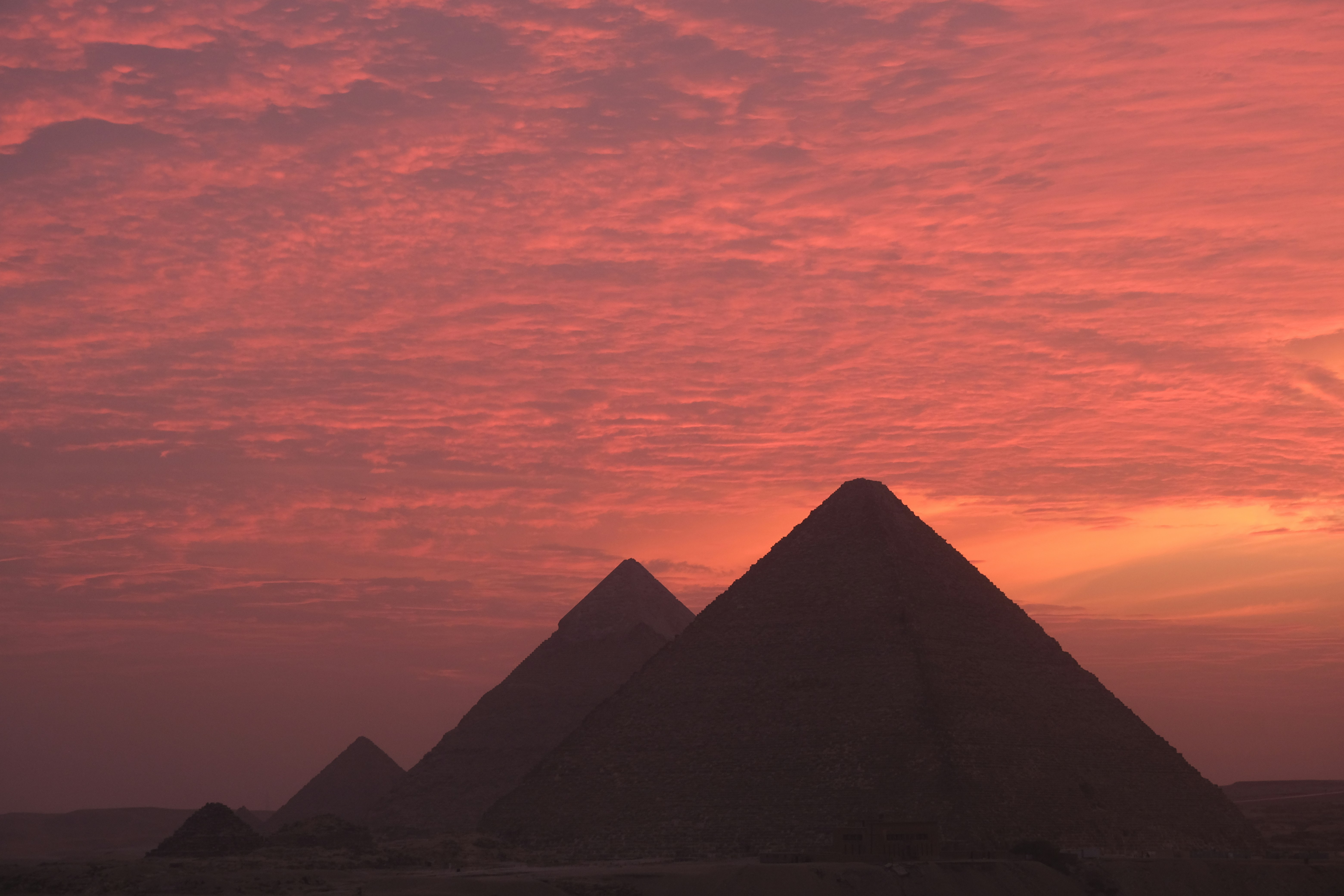
Then comes the Red Pyramid. This one is a big deal because it’s considered the first true pyramid. Unlike the Bent Pyramid, it's built with a consistent, shallower angle from base to apex. It’s called the Red Pyramid because of the reddish hue of its core stones. It's less crowded than Giza, and incredibly, you can often go inside! Descending into the Red Pyramid is an adventure. The passageway is steep and narrow, and you have to be comfortable in enclosed spaces, but the reward is immense. You get to stand inside the actual burial chamber of a pharaoh, surrounded by the massive stone blocks that have stood for over 4,500 years. It’s a truly primal experience, connecting you directly to the ancient builders and the pharaohs they served.
I love taking people to Dahshur because it’s so much more intimate than Giza. You can often walk around the base of these pyramids, touch the stones, and really absorb the atmosphere without the throngs of tourists. It feels more like an exploration than a quick photo op. Seeing the transition from the Bent Pyramid’s experimental design to the Red Pyramid’s perfected form is a powerful way to understand the development of Egyptian architecture and engineering. It’s a visual timeline of innovation.
Sneferu: The Master Pyramid Builder
Sneferu was a pharaoh of the Fourth Dynasty, and his architectural legacy is immense. He didn't just build one or two pyramids; he built three significant ones: the Meidum Pyramid (which may have been started by his predecessor), the Bent Pyramid at Dahshur, and the Red Pyramid at Dahshur. His drive to perfect the pyramid form directly influenced his son, Khufu, and the subsequent construction of the Great Pyramid at Giza, the largest and most famous pyramid of them all. Sneferu's reign was a golden age for pyramid construction, and visiting Dahshur allows us to trace this critical evolutionary path.
Experiencing the Red Pyramid's Interior
Going inside the Red Pyramid is a highlight for many. The entrance passage leads down into the pyramid's interior, with two burial chambers. The first chamber is reached by a steep, inclined corridor. The second, the actual burial chamber, is accessed by another steep passage. The chambers are simple, undecorated, and built with immense stone blocks. The air inside is still, and the silence is profound. It’s a stark reminder of the purpose of these structures – to house and protect the pharaoh’s eternal rest. It’s an experience that really grounds you in the reality of ancient Egyptian beliefs and practices.
────────────────Why These Sites Matter: A Glimpse into Ancient Egyptian Civilization
Saqqara and Dahshur are not just tourist attractions; they are crucial windows into the evolution of Egyptian society, religion, and technology. They represent the very beginnings of monumental stone architecture in the world, a feat that shaped human history.
Think about it: these structures were built over 4,500 years ago. The level of organization, labor, and astronomical knowledge required to plan and execute these projects is astonishing. The pyramids were more than just tombs; they were religious and political statements, designed to ensure the pharaoh's successful transition to the afterlife and to maintain cosmic order (Ma'at). They were symbols of the pharaoh's divine kingship and the stability of the state.
Visiting these sites allows you to connect with that profound history on a visceral level. You’re not just reading about it; you’re walking among the very structures that defined an era and inspired awe for millennia. The development from the Step Pyramid’s experimental design to the Red Pyramid’s perfected form shows a society that was constantly learning, innovating, and pushing boundaries. It’s a story of human ambition, spiritual belief, and incredible engineering prowess.
These ancient sites are UNESCO World Heritage sites, recognized for their outstanding universal value. They are a critical part of understanding the genesis of Egyptian civilization and its enduring impact on the world. The precision of the stonework, the astronomical alignments, and the sheer scale of these constructions are still being studied and marveled at today.
The Religious and Political Significance
In ancient Egypt, the pharaoh was seen as a god on Earth, and his tomb was a crucial element in maintaining the cosmic balance and ensuring the prosperity of the land. The pyramid complex was designed to facilitate the pharaoh's journey to the afterlife and his rebirth as a divine being. The construction of such massive monuments also served to unify the country, mobilizing resources and labor from across Egypt, and demonstrating the pharaoh's absolute power and authority. The step pyramid, in particular, was seen as a stairway for the pharaoh to ascend to the heavens and join the sun god Ra.
Engineering Marvels of the Ancient World
The engineering behind these pyramids is still a source of wonder. How did they move and lift such massive stones? How did they achieve such precise alignments? While many theories exist, it's clear that the ancient Egyptians possessed advanced knowledge of mathematics, astronomy, and mechanics. They developed sophisticated quarrying techniques, used ramps and levers for construction, and likely employed a vast workforce with specialized skills. The construction of the Step Pyramid and the Red Pyramid represents some of the earliest large-scale uses of cut stone in monumental architecture, a technique that would define Egyptian building for centuries to come.
────────────────Planning Your Saqqara & Dahshur Private Tour with Bodda Tours
When you decide to explore the origins of pyramid building, you want an experience that feels as personal and insightful as the history itself. That's where I come in with Bodda Tours. I started Bodda Tours because I wanted to share the *real* Egypt with people, the kind of experience I’d want for my own friends and family. It’s about more than just seeing sites; it’s about understanding them, feeling their history, and doing it all in comfort and without any hassle.
Forget those large, impersonal bus tours where you're just another face in the crowd, rushed from one spot to another. With Bodda Tours, you get a 100% private tour. This means it’s just you, your companions, and your guide. We move at *your* pace. Want to spend an extra 30 minutes looking at the reliefs in a tomb? No problem. Want to stop for a local tea break? We can do that. It’s your adventure, and we tailor it to you.
I know how important clear communication is when you're exploring a new place. That's why Bodda Tours prides itself on having Korean-speaking local guides. No language barriers, no misunderstandings, just genuine connection and deep insights from someone who grew up here and knows the stories behind the stones. It makes all the difference.
We focus on comfort and authenticity. You'll travel in a clean, modern car with A/C, offering door-to-door service from your hotel. No need to worry about navigating public transport or finding your way. We handle all the logistics so you can focus on the wonder. And when it comes to safety and trust, we operate with complete transparency. We offer verified tours only, with no hidden fees. What you agree on is what you get. We believe in honest service, not tricks or commissions.
For those heading to Siwa Oasis, I need to give you a heads-up about something specific: Bodda has NO tuktuk fake safaris. In Siwa, some operators try to scam tourists with "tuktuk safaris" that are really just a short, uncomfortable ride and not a true desert experience. Bodda Tours only uses real 4x4 jeeps with professional drivers for desert excursions. We believe in providing genuine, safe, and thrilling adventures.
What really sets Bodda Tours apart is that we are run by real local Egyptians who genuinely care about your experience. We are not a reseller or a middleman. You are booking directly with us, which means you get dedicated service and a direct connection to the heart of Egypt. We’re here to make your trip seamless and unforgettable. If anything unexpected happens, we are committed to making it right for you.
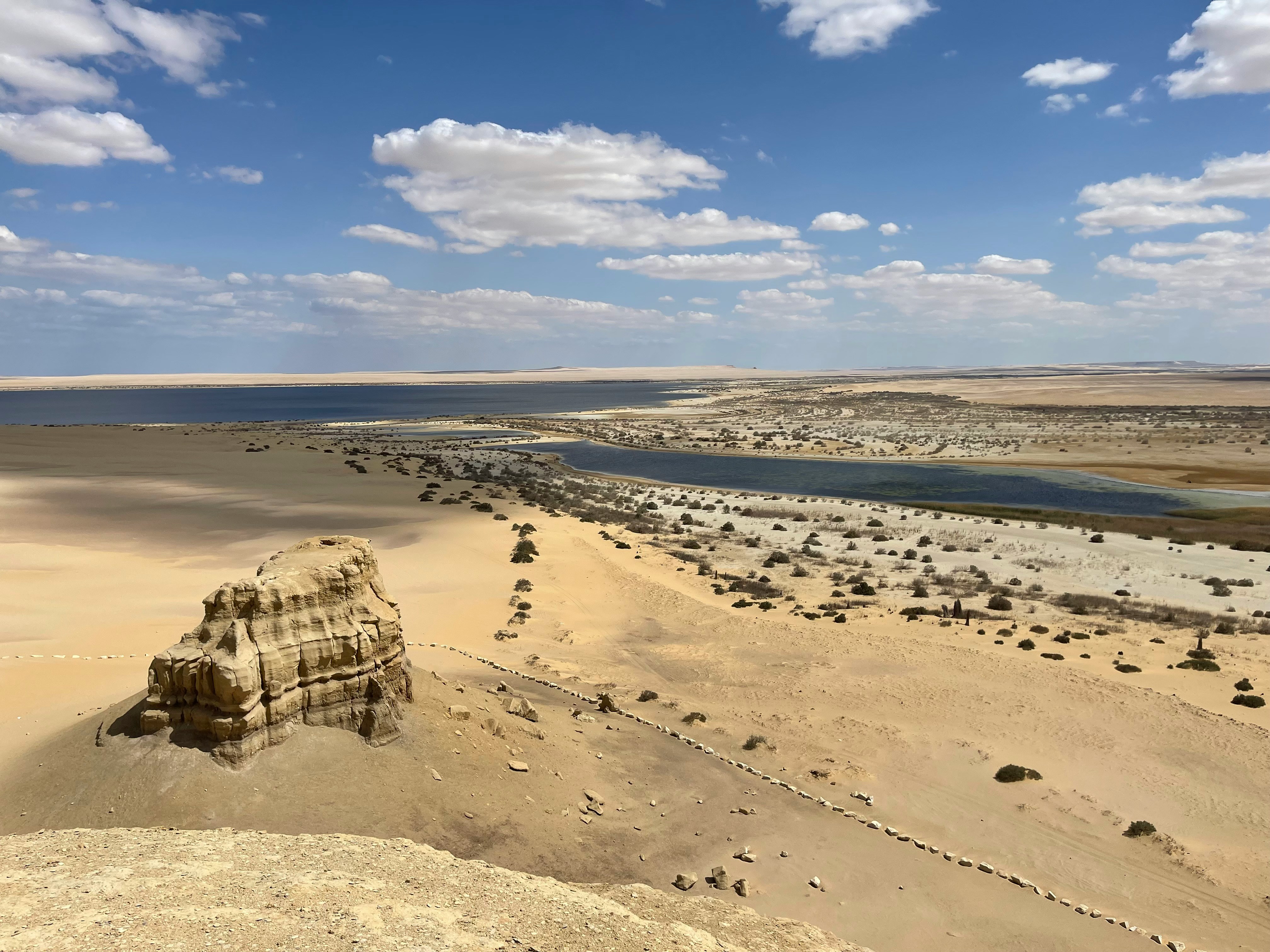
We also offer custom itineraries, so if you have specific interests like photography, food, or shopping, we can weave that into your Saqqara and Dahshur tour, or any other part of your Egyptian journey. We can also combine this with other incredible destinations like the Fayoum Oasis (famous for its UNESCO World Heritage Valley of the Whales and Magic Lake), the iconic Pyramids of Giza, the Egyptian Museum, or even the ancient wonders of Luxor and Aswan.
Why Choose Bodda Tours for Your Egypt Adventure?
- 100% Private Tours: Enjoy your trip at your own pace, without crowded buses or fixed schedules.
- Korean-Speaking Local Guides: Experience Egypt with clear communication and authentic local insights.
- Comfort & Convenience: Travel in clean, air-conditioned private vehicles with door-to-door service.
- No Scams, No Surprises: Verified tours, transparent pricing, and absolutely no hidden fees.
- Authentic Desert Safaris: We use real 4x4 jeeps, never fake tuktuk rides.
- Direct Local Service: Book directly with passionate Egyptians who care about your experience.
- Customizable Itineraries: Tailor your tour to your interests, pace, and preferences.
- Customer Satisfaction Guarantee: We are committed to making things right if any issues arise.
When to Visit Saqqara & Dahshur
The best time to visit Saqqara and Dahshur is during the cooler months, which generally run from October to April. During this period, the weather is pleasant, making it comfortable to explore the open-air sites. Summer months (May to September) can be intensely hot, especially for outdoor activities. If you must visit in summer, starting your day very early in the morning is highly recommended to avoid the peak heat.
What to Wear
Comfortable walking shoes are essential, as you'll be doing a lot of walking on uneven terrain. Lightweight, breathable clothing is also a must, especially if you're visiting during the warmer months. Given that these are historical and religious sites, it’s respectful to dress modestly. Aim for clothing that covers your shoulders and knees. A hat and sunglasses will be very helpful for sun protection.
Getting There
Saqqara and Dahshur are located south of Cairo. The most convenient way to visit is with a private tour. Bodda Tours offers private transfers directly from your hotel in Cairo or Giza. The drive to Saqqara takes about 45-60 minutes, and Dahshur is another 30-45 minutes south from Saqqara, depending on traffic. While public transport is an option, it can be time-consuming and complicated for tourists, making a private tour the most efficient and comfortable choice.
Is it Worth Visiting?
Absolutely, yes! If you have any interest in ancient history, architecture, or the very foundations of Egyptian civilization, Saqqara and Dahshur are unmissable. They offer a unique perspective on the evolution of pyramid building that you simply can't get at Giza. Seeing the Step Pyramid and the Red Pyramid, and understanding the story behind them, adds incredible depth to your understanding of Egypt. It’s a journey into the genesis of an empire.
Nearby Attractions
Your visit to Saqqara and Dahshur can easily be combined with other significant historical sites in the Memphis region, the ancient capital of Egypt. This includes:
- Memphis: The ancient capital of Egypt, now an open-air museum featuring a colossal statue of Ramesses II and an alabaster sphinx.
- Saqqara: Beyond the Step Pyramid, this vast necropolis contains numerous other tombs and pyramids, including the Pyramid of Teti and the Tomb of Mereruka.
- Dahshur: As mentioned, the Bent Pyramid and the Red Pyramid are the main draws, but there are other smaller pyramids and structures here as well.
Bodda Tours can craft a comprehensive itinerary that includes all these fascinating locations for a deep dive into Egypt's Old Kingdom history.
Sources & References
- Egyptian Ministry of Tourism and Antiquities
- UNESCO World Heritage Centre - Memphis and its Necropolis – the Pyramid Fields from Giza to Dahshur: https://whc.unesco.org/en/list/87/
- Wikipedia - Saqqara: https://en.wikipedia.org/wiki/Saqqara
- Wikipedia - Dahshur: https://en.wikipedia.org/wiki/Dahshur
Ready to Explore Egypt's Ancient Past? Contact Bodda Tours Today
Whether you dream of standing before the Step Pyramid, exploring the interior of the Red Pyramid, or uncovering other ancient wonders, Bodda Tours is here to make it happen. Reach out anytime between 07:00-22:00 daily for a personalized, unforgettable journey.
- WhatsApp: wa.me/201040541153
- KakaoTalk: open.kakao.com/o/smU92Hfi
- Email: info@boddatours.me
- Website: boddatours.me

![[2026 Egypt Tours] Siwa Oasis Honest Review (Desert Safari & History)](https://boddatours.me/images/hq/siwa-salt-lake-hq.jpg)