![[2026 Egypt Tours] Luxor Temple: Pharaohs' Power (Amenhotep III)](https://boddatours.me/images/hq/westbank-hq.jpg)
Luxor Temple: Where Pharaohs Walked with Gods (Amenhotep III's Vision)
Imagine standing where pharaohs once processed, a silent witness to millennia of devotion and power. That's the feeling that washes over you at Luxor Temple. It’s not just stones and columns; it’s a palpable connection to ancient Egypt's soul. I’ve seen so many travelers light up here, their eyes reflecting the sheer awe of it all. It’s truly something special.
This incredible site, dedicated to the Theban Triad – Amun, Mut, and Khonsu – was primarily built by Amenhotep III during the New Kingdom, with later additions by Tutankhamun, Horemheb, and Ramesses II. It’s a place that whispers stories of royal rituals, divine festivals, and the pharaoh's role as a living god on Earth. If you're looking for an immersive Luxor tour that goes beyond the typical, this is it.
Many people search for private Egypt tours because they want to feel this connection, to truly absorb the history without the rush of a crowded bus. That’s exactly what I aim for with Bodda Tours. We focus on making these experiences deeply personal, allowing you to linger, to ask questions, and to simply *be* in these magnificent places.
────────────────The Feeling of Ozymandias: Colossal Statues and Sacred Groves
The sheer scale of Luxor Temple hits you first. It’s like stepping into a dream of ancient grandeur. The Avenue of Sphinxes, though partially reconstructed, once stretched all the way to Karnak, creating a monumental pathway for processions. Walking through it, even in its current state, gives you a sense of the immense effort and artistry involved.
Then there are the statues. The colossal seated statues of Ramesses II guarding the entrance? They are mind-blowing. You feel so small, yet so connected to the immense power they represent. And the hypostyle hall, with its towering papyrus-shaped columns, feels like a forest of stone, each one carved with intricate hieroglyphs telling stories of gods and kings.
I remember one time, a traveler I was with just sat down in the courtyard, completely mesmerized. They said they felt like they could hear the ancient priests chanting. That's the magic of Luxor Temple. It’s not just about seeing; it’s about feeling the echoes of the past. This is the kind of deep experience that makes an Egypt history tour unforgettable.
Exploring Luxor Temple is a highlight of any Luxor tour. It’s a place where the divine and the royal intertwined, and you can feel that energy. For travelers seeking a deeper understanding of ancient Egypt, this site is absolutely essential. It’s a visual feast and a historical treasure trove all rolled into one.
────────────────Amenhotep III: The Builder of Wonders
The man behind much of Luxor Temple’s glory was Amenhotep III, the ninth pharaoh of the Eighteenth Dynasty. He reigned during a period of immense prosperity and artistic achievement in Egypt, often called the “Golden Age.” His reign, from around 1390 to 1352 BC, saw Egypt at its peak of power and influence.
Amenhotep III was a prolific builder, and Luxor Temple is one of his crowning achievements. He intended it as a grand monument for the Opet Festival, one of the most important religious celebrations in ancient Egypt, where the cult statues of Amun, Mut, and Khonsu were moved from their temples to meet each other. This festival was crucial for reaffirming the pharaoh's divine legitimacy and ensuring the fertility and prosperity of Egypt.
His architectural vision was about scale and beauty. The main part of the temple, including the central courtyard and the hypostyle hall, was largely his work. He wanted to create a space that was both a magnificent dwelling for the gods and a stage for the pharaoh to perform his divine duties. When you walk through his temple, you're walking through his dream of a glorious Egypt.
It's fascinating to think about the craftsmanship involved. These massive columns were quarried, transported, carved, and erected using techniques that still baffle us today. Amenhotep III’s reign was a testament to Egypt's organizational power and its mastery of engineering and art. This level of historical depth is what makes our private Egypt tours so rewarding. We don’t just see ruins; we uncover the stories of the people who built them.
For anyone interested in the New Kingdom, Amenhotep III is a pivotal figure. His impact on Egyptian architecture and religious practice is undeniable, and Luxor Temple stands as a lasting monument to his reign. It’s a key stop for understanding the grandeur of this era, and a must-see on any comprehensive Egypt history tours itinerary.
────────────────From Pharaonic Grandeur to Roman Fortifications: Layers of History
Luxor Temple isn’t just a New Kingdom marvel; its history stretches and transforms through different eras. After its Pharaonic heyday, it saw changes during the Greco-Roman period. The Romans actually converted a section of the temple into a church, and later, a mosque was built within its precincts – the Mosque of Abu al-Haggag. This layering of religious use is incredibly rare and adds another dimension to the site.
Imagine walking through halls that once echoed with Amun-Ra's hymns, then with Roman legionaries, and later with prayers to the Virgin Mary and Allah. It’s a microcosm of Egypt’s long and complex history, a testament to its enduring spiritual significance. This is the kind of nuanced understanding that makes exploring Egypt so captivating. It's why many travelers seek out special Egypt tours that can delve into these intricate layers.
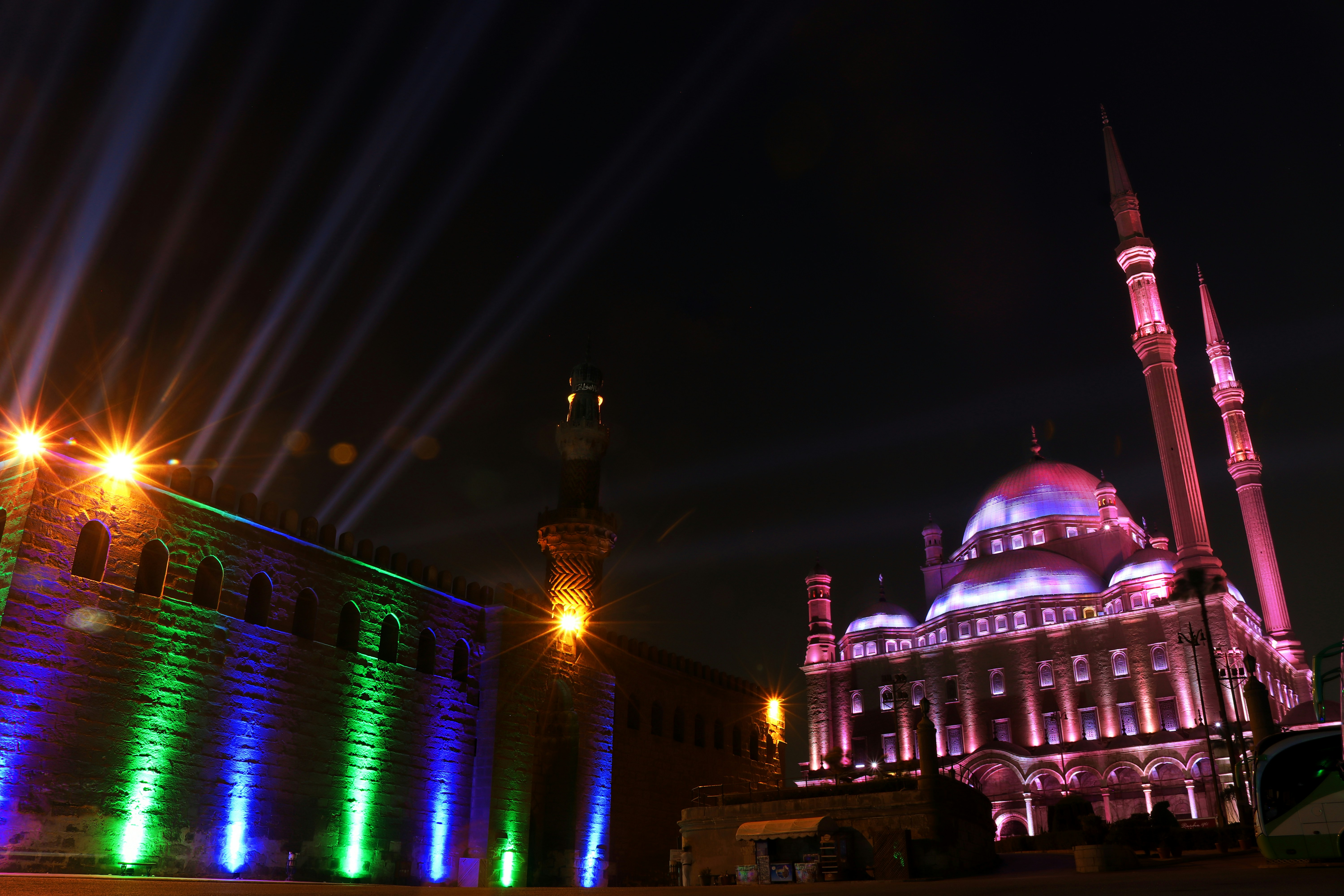
The Roman presence is evident in some of the structures and changes made to the temple complex. They recognized the strategic and spiritual importance of the site. Later, during the Islamic period, the mosque of Abu al-Haggag, which is still an active place of worship today, was built right in the middle of the courtyard. You can see the minaret rising above the ancient stone, a striking visual representation of Egypt’s continuous cultural evolution.
This blending of faiths and eras is a unique feature that sets Luxor Temple apart. It’s a living testament to how different civilizations have interacted with and adapted this sacred space. For travelers who want to grasp the full sweep of Egyptian history, from the pharaohs to the present day, understanding these transitions is key. It’s a journey through time that few other places can offer. This is precisely the kind of experience Bodda Tours is built around – revealing the full, rich tapestry of Egypt.
When you visit Luxor, you're not just seeing ancient ruins; you're walking through centuries of human devotion and architectural adaptation. The layers of history at Luxor Temple are a profound reminder of Egypt’s enduring legacy and its ability to absorb and transform influences over millennia. It’s a highlight of any Luxor tour and a central piece of the Egypt history tours narrative.
────────────────Navigating Luxor Temple: What to Expect on Your Visit
Visiting Luxor Temple is an experience that requires a bit of planning to truly appreciate. The best time to go is usually in the early morning or late afternoon. The midday sun can be intense, so wearing light, breathable clothing is essential. Think cotton or linen. A wide-brimmed hat and sunglasses are also your best friends here, especially during the hotter months.
Comfortable walking shoes are an absolute must. You’ll be doing a lot of walking on uneven surfaces and climbing stairs. Hydration is key, so bring plenty of water. While there are vendors, it's always good to have your own supply. Respectful attire is important too; while it's not as strict as a mosque, covering shoulders and knees is a good practice, especially if you plan to visit the active mosque within the complex.
As for getting there, Luxor Temple is centrally located in Luxor city, right on the banks of the Nile. If you're staying on the East Bank, it's often within walking distance or a short taxi ride. If you’re on the West Bank, you’ll need to cross the Nile by ferry or bridge. For travelers exploring Egypt with Bodda Tours, we handle all the logistics, ensuring you arrive comfortably and without any hassle. We often include door-to-door service with our modern, air-conditioned vehicles.
The sheer beauty of the temple is amplified as the sun begins to set. The stones glow in the golden light, and the atmosphere becomes truly magical. Many people opt for an evening visit to see the temple illuminated, which is a spectacular sight. It’s a different kind of wonder compared to the daytime visit, offering a romantic and serene experience.
When you visit Luxor, you’ll find that the temple is more than just a historical site. It’s a place that engages all your senses. The vastness of the courtyards, the intricate details of the carvings, the silence punctuated by the calls to prayer from the nearby mosque – it all combines to create a truly immersive experience. It’s a core part of any good Luxor tour, and a place that will stay with you long after you leave.
────────────────Is Luxor Temple Worth Visiting?
Absolutely, yes! If you're planning an Egypt tour, Luxor Temple is non-negotiable. It’s a cornerstone of Egyptian history and architecture. The sheer scale, the historical significance, and the beauty of the site are unparalleled. It offers a unique glimpse into the religious and political life of ancient Egypt, showcasing the power and artistry of pharaohs like Amenhotep III and Ramesses II.
For travelers who are drawn to the mystique of ancient civilizations, the grandeur of Luxor Temple is incredibly rewarding. It’s a place where you can truly feel the weight of history and appreciate the ingenuity of the ancient Egyptians. It’s a must-see for anyone wanting to understand the heart of Pharaonic Egypt. It's a highlight of any Egypt history tours and a crucial stop on any comprehensive itinerary that includes Luxor.
Even if you've seen pictures, nothing prepares you for the feeling of actually being there. The massive columns, the intricate reliefs, the sheer scale of the complex – it’s breathtaking. It’s a place that sparks the imagination and leaves you with a profound sense of wonder. For many, it’s the moment they truly connect with the magic of Egypt.
I always recommend allowing ample time to explore. Don't rush. Sit, observe, and let the history soak in. Whether you’re fascinated by the architecture, the religious practices, or just the sheer beauty of the place, Luxor Temple delivers an unforgettable experience. It’s a jewel in Egypt’s crown and a central piece of the historical narrative that makes this country so extraordinary.
────────────────Beyond Luxor Temple: Exploring More of Egypt's Wonders
While Luxor Temple is magnificent, Egypt offers a universe of wonders, and many of them are accessible with Bodda Tours. If you're captivated by the history and grandeur you've seen at Luxor Temple, you'll likely fall in love with other sites too.
Consider a private Egypt tour that combines Luxor with Aswan. In Aswan, you can visit the beautiful Philae Temple, dedicated to Isis, and perhaps take an optional trip to the awe-inspiring Abu Simbel temples of Ramesses II. The felucca rides on the Nile there are pure magic, a serene contrast to the grand temples.
If you're looking for something completely different, our Siwa Oasis tour offers an escape into a desert paradise. Imagine swimming in crystal-clear salt lakes, exploring ancient Shali Fortress, and camping under a blanket of stars in the Western Desert. It’s a truly unique experience, far removed from the bustling cities, and a stark contrast to the monumental architecture of Luxor. Bodda Tours offers excellent Siwa Oasis private tour options from Cairo, ensuring comfort and authenticity.
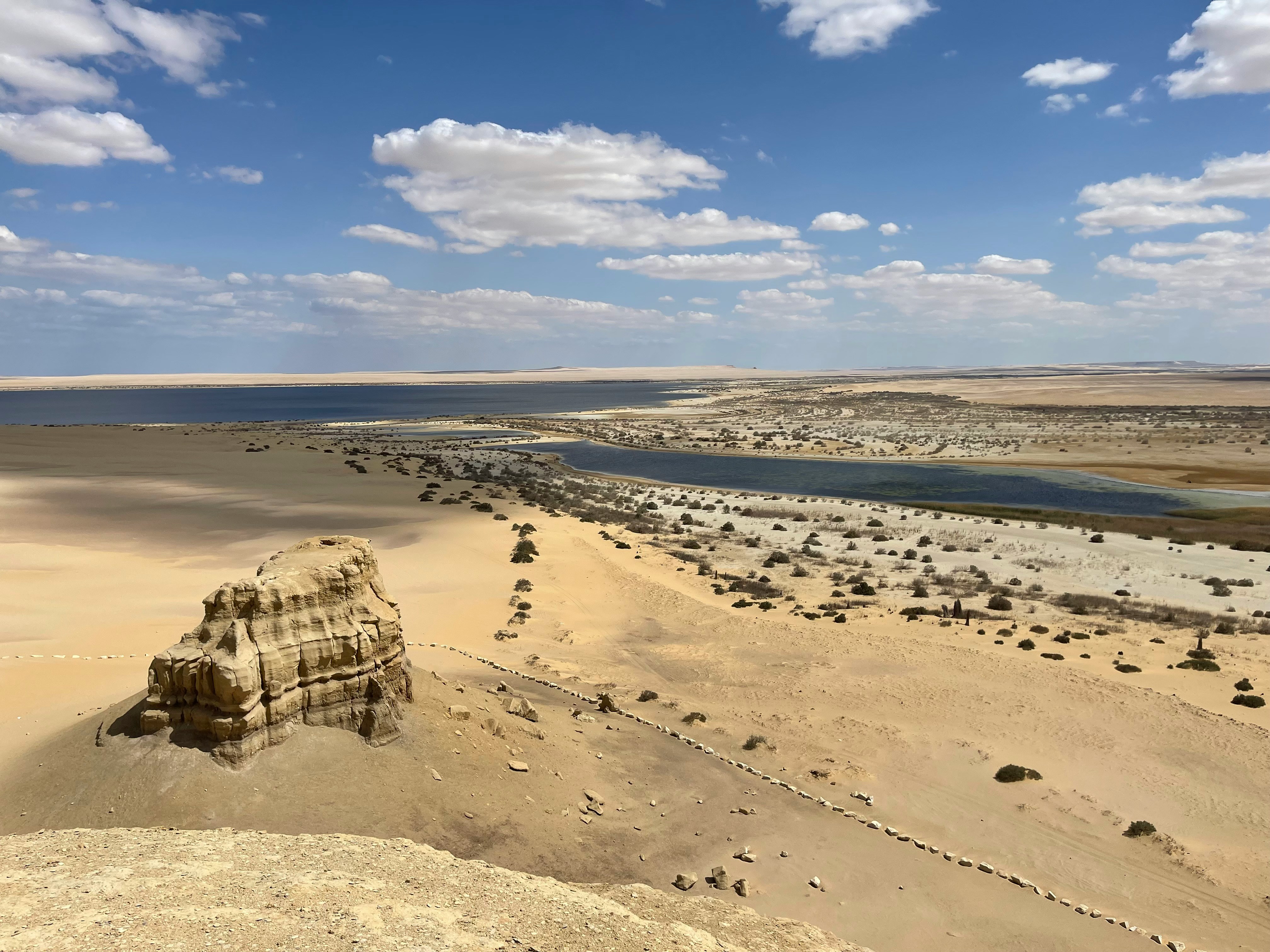
For those fascinated by prehistoric life, our Fayoum tour from Cairo is a must. You can explore the Valley of the Whales UNESCO site, where ancient whale skeletons lie in the desert sands, a testament to millions of years of evolution. The Magic Lake and Wadi El-Rayan waterfalls offer stunning natural beauty. It’s a different kind of history, one written in stone and fossils, and a fantastic addition to any Egypt desert tours adventure.
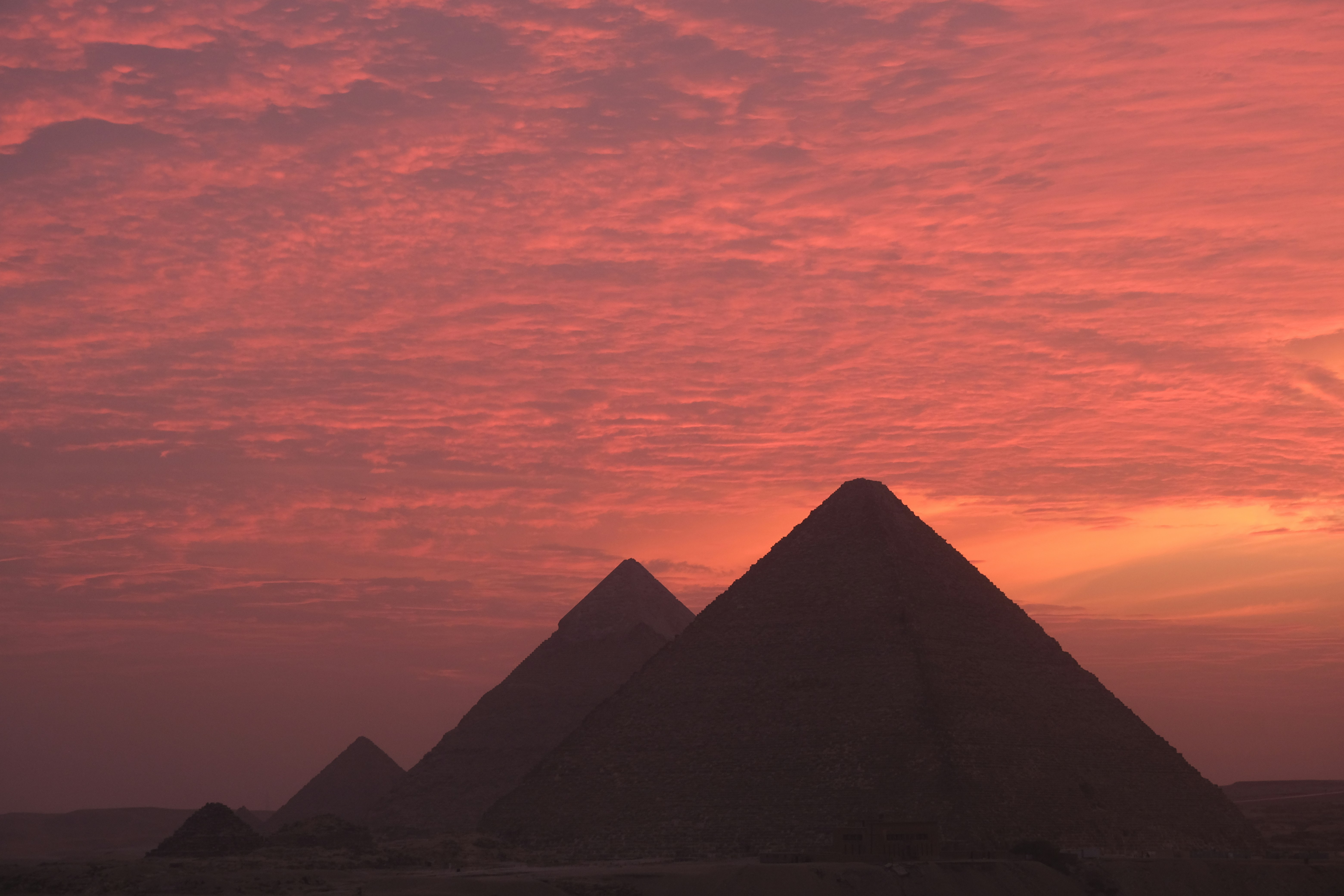
And of course, no trip to Egypt is complete without seeing the Pyramids of Giza and the Sphinx. Our Cairo & Giza private tours will take you to these iconic wonders, as well as the incredible Grand Egyptian Museum (GEM). We also offer tours to Saqqara and Dahshur to see the Step Pyramid and other early royal tombs, which are fascinating for their historical significance and architectural evolution.
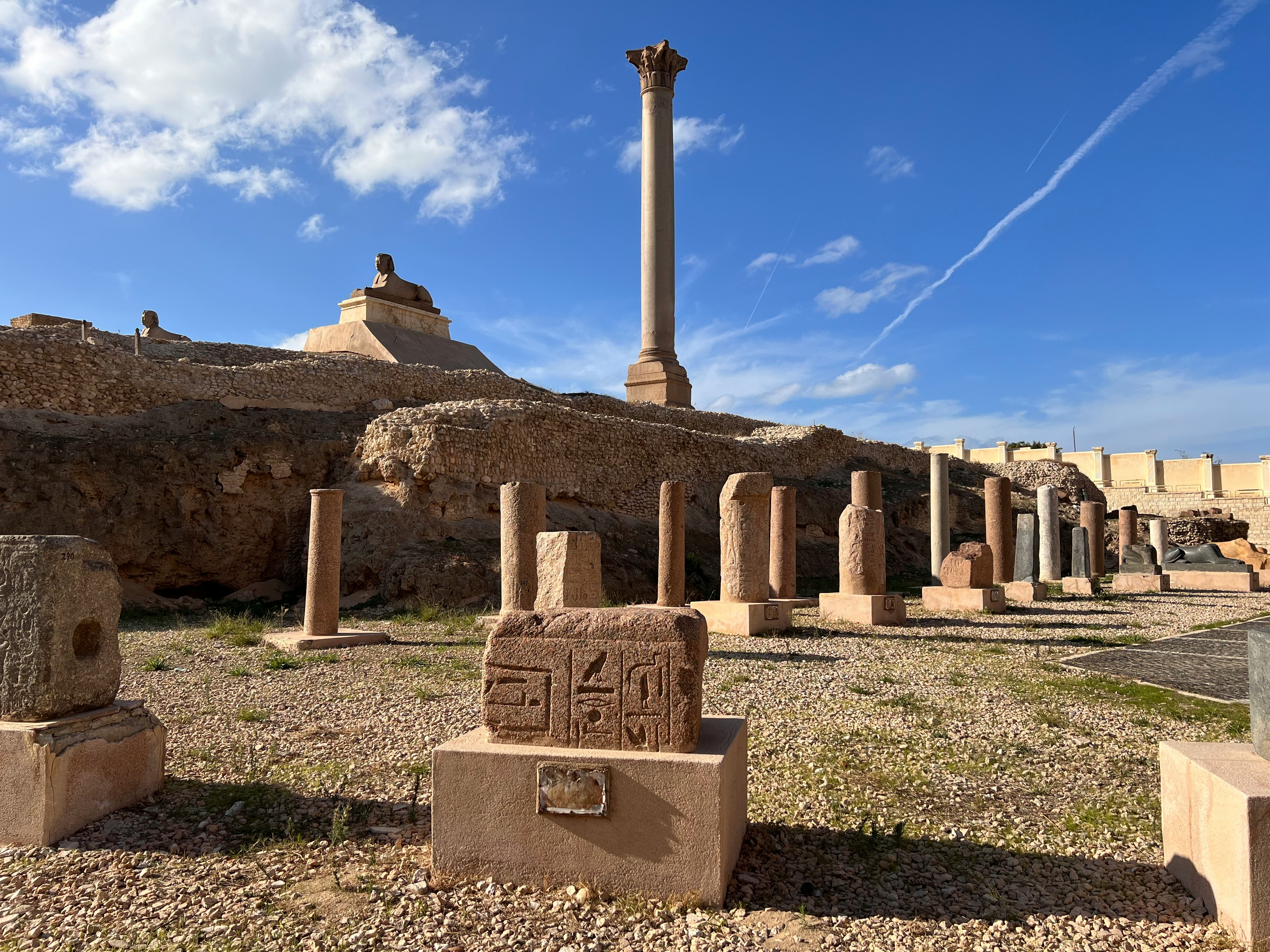
For a taste of Mediterranean charm, our Alexandria day tours offer a glimpse into Egypt’s Greco-Roman past, with visits to the Bibliotheca Alexandrina and Qaitbay Citadel. Each of these destinations provides a unique perspective on Egypt’s layered history and diverse landscapes.
The beauty of planning a trip with Bodda Tours is the flexibility. We can craft custom itineraries that weave together these incredible experiences. Whether you’re drawn to the monumental temples of Luxor and Aswan, the serene desert landscapes of Siwa and Fayoum, or the ancient wonders of Cairo, we ensure your journey is comfortable, authentic, and deeply enriching. Our private Egypt tours are designed to give you the most profound experience possible.
────────────────Why Choose Bodda Tours for Your Egypt Adventure?
Planning a trip to Egypt can feel overwhelming, I get it. You want to see everything, but you also want to feel safe, comfortable, and truly experience the culture. That’s where Bodda Tours comes in. We’re not a faceless company; we’re a team of locals, like me, who love our country and want to share its magic with you.
- 100% Private, Personalized Journeys: Forget crowded buses and fixed schedules. With Bodda Tours, it’s just you, your companions, and your guide. We go at your pace, focusing on what interests you most, whether it’s photography, history, food, or just soaking it all in.
- Genuine Local Insights: I was born and raised in Cairo, and my team knows Egypt like the back of our hands. We can share stories and perspectives you won’t find in guidebooks, giving you a real connection to the places you visit.
- Comfort is Key: We use modern, air-conditioned vehicles for all our tours, ensuring a comfortable ride no matter the destination, from the bustling streets of Cairo to the vastness of the desert. We offer door-to-door service, including airport pickups and hotel drop-offs.
- No Scams, No Hassles: We pride ourselves on transparency and honesty. You won't encounter hidden fees or unexpected charges with us. We’ve verified all our tours and partners to ensure a smooth and trustworthy experience. This means no hidden fees.
- No Tuktuk Fake Safaris in Siwa: This is important! In Siwa Oasis, some operators offer fake "tuktuk safaris" which are a scam and not a real desert experience. Bodda Tours ONLY uses professional drivers with real 4x4 jeeps for our desert adventures. Your safety and genuine experience are paramount.
- Direct Service, Better Value: We are not a reseller or a middleman. You book directly with Bodda Tours, meaning you get direct service from the people who care about your trip. This also means no agent markups or commission fees.
- Korean-Speaking Guides: For our Korean travelers, we offer expert Korean-speaking local guides. This means seamless communication, no language barriers, and a deeper understanding of the history and culture.
- We Make It Right: If something unexpected happens, or a delay occurs, we are committed to making it right. We stand by our service and will offer compensation if needed.
We’re here to help you create memories that will last a lifetime. Let us be your local friends showing you the best of Egypt.
Ready to Explore Egypt's Wonders? Contact Bodda Tours Today
Whether you dream of walking through the majestic Luxor Temple, exploring the serene Siwa Oasis, or marveling at the Pyramids of Giza, Bodda Tours is here to make it happen. We offer personalized private tours designed for comfort, authenticity, and unforgettable experiences. Reach out to us anytime between 07:00-22:00 daily. We’re excited to help you plan your perfect Egyptian adventure!
- WhatsApp: wa.me/201040541153
- KakaoTalk: open.kakao.com/o/smU92Hfi
- Email: info@boddatours.me
- Website: boddatours.me
Sources & References
- Egyptian Ministry of Tourism and Antiquities official website (for general information on heritage sites and tourism regulations).
- UNESCO World Heritage Centre - "Theban Necropolis" (for information on the historical significance and World Heritage status of Luxor).
- Wikipedia - "Luxor Temple" (for historical overview, architectural details, and timelines).