![[2026 Egypt Tours] Luxor & Aswan: Unlocking Upper Egypt's Secrets](https://boddatours.me/images/hq/luxor-hq.jpg)
Luxor & Aswan: Where Ancient Egypt's Soul Still Breathes
Imagine standing where pharaohs once walked, the sheer scale of history pressing in. That's the feeling I get every single time I'm in Luxor or Aswan. It’s not just about seeing old stones; it’s about feeling the weight of thousands of years, the whispers of dynasties, and the enduring power of human ambition.
If you're dreaming of an Egypt history tour that goes beyond the surface, Upper Egypt is where you need to be. This is the heartland, the cradle of civilization. I've been helping travelers explore these incredible sites for years, and honestly, they never lose their magic.
Let's talk about what makes Luxor tours and Aswan tours so special, and why you should consider a private experience with Bodda Tours to truly immerse yourself.
────────────────The East Bank of Luxor: Temples of Power and Worship
When you first arrive in Luxor, the sheer concentration of monumental architecture can be overwhelming, in the best possible way. The East Bank is dominated by the grand temples that were the spiritual and ceremonial centers of ancient Thebes, a city that was once the capital of Egypt.
Karnak Temple Complex: A City of Gods
This isn't just a temple; it's an archaeological site that grew over 2,000 years. Walking through Karnak is like stepping into a history book where every chapter is etched in colossal stone. I always tell my guests to take a deep breath here. Imagine priests performing rituals, pharaohs making offerings, and the entire Egyptian empire revolving around this sacred space.
The Hypostyle Hall, with its forest of gigantic papyrus-shaped columns, is particularly awe-inspiring. Standing beneath them, you feel utterly dwarfed. It's here that you truly grasp the scale of ancient Egyptian engineering and religious devotion. You can almost hear the echoes of ancient chants. Each pillar tells a story of pharaohs like Seti I and Ramesses II, who left their mark on this sacred ground.
Karnak was dedicated to the Theban triad: Amun-Re, his consort Mut, and their son Khonsu. It’s a UNESCO World Heritage site, and for good reason. The sheer amount of detail in the reliefs and hieroglyphs is astounding. They depict everything from military victories to religious ceremonies. The Avenue of Sphinxes, leading towards Luxor Temple, is a more recent addition to the experience, connecting these two powerhouses of the ancient city.
Luxor Temple: The Southern Sanctuary
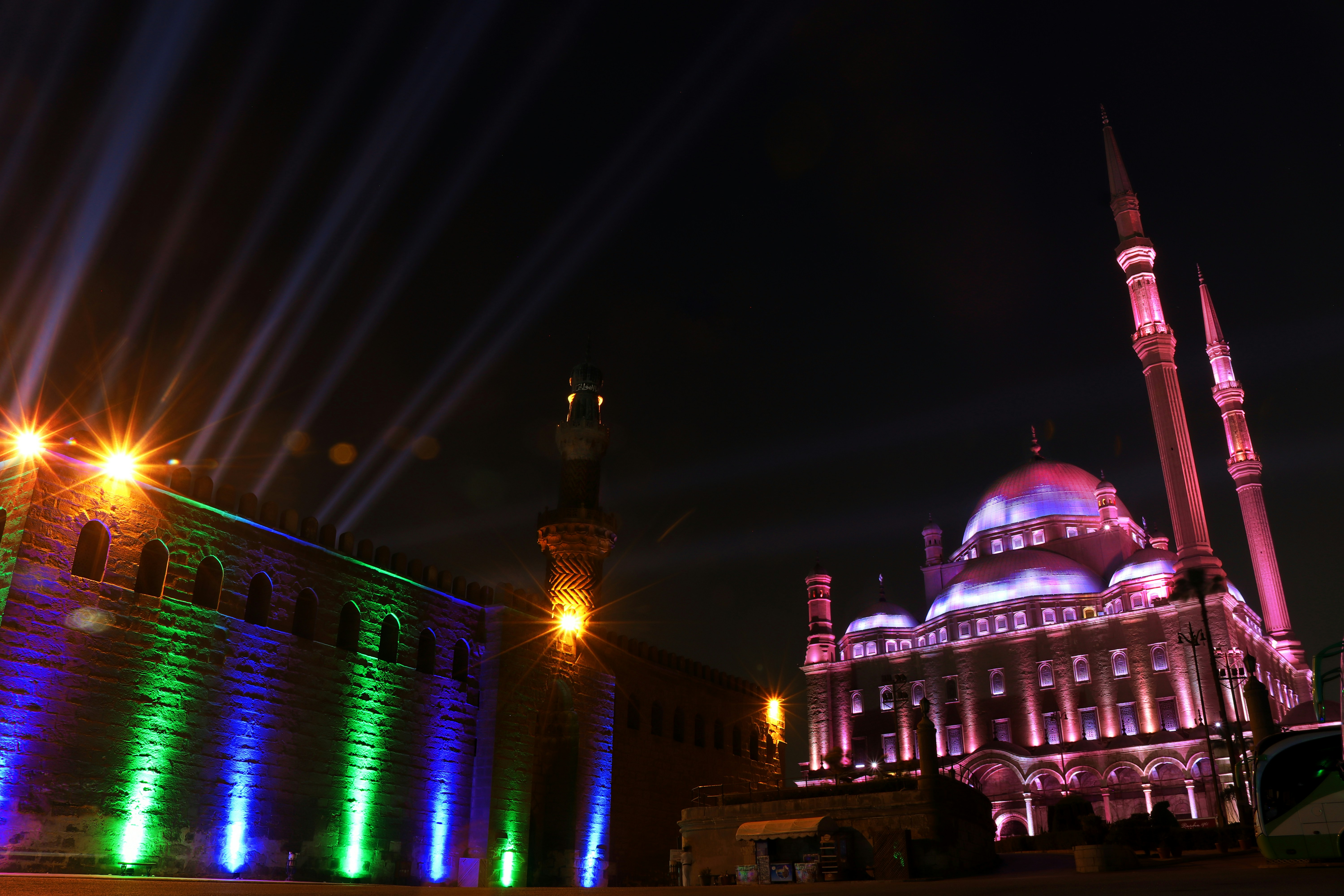
While Karnak was the administrative and religious center, Luxor Temple was primarily dedicated to the rejuvenation of kingship. It's particularly beautiful at sunset and after dark when it's illuminated, giving it an almost ethereal glow. The temple was built by Amenhotep III and Ramesses II, with later additions by Tutankhamun and Alexander the Great.
Imagine this temple bustling with life during the Opet Festival, a major ancient Egyptian holiday where the statues of the gods from Karnak were brought here to celebrate the divine renewal of the pharaoh. The courtyard of Ramesses II, with its colossal statues and towering obelisk (its twin is in Paris), is a breathtaking sight. You can trace the layers of history, from the Pharaonic structures to the Roman chapel built within its walls, and even a mosque that still stands today. This layered history is what makes Luxor so profound.
On the East Bank, you also have the Luxor Museum and the Mummification Museum, which offer fantastic insights into the artifacts and practices of ancient Egyptian life. These smaller museums provide a more intimate look at the civilization that built such grand monuments.
────────────────The West Bank of Luxor: Necropolis of the Pharaohs
If the East Bank was the city of the living and the gods, the West Bank was the realm of the dead, the necropolis where pharaohs and nobles were laid to rest, preparing for their journey into the afterlife.
Valley of the Kings: The Royal Tombs
This is probably what most people picture when they think of ancient Egypt: hidden tombs filled with treasures. And while many treasures are now in museums, the tombs themselves are the real treasure. The Valley of the Kings is where the New Kingdom pharaohs hid their burial places to prevent looting.
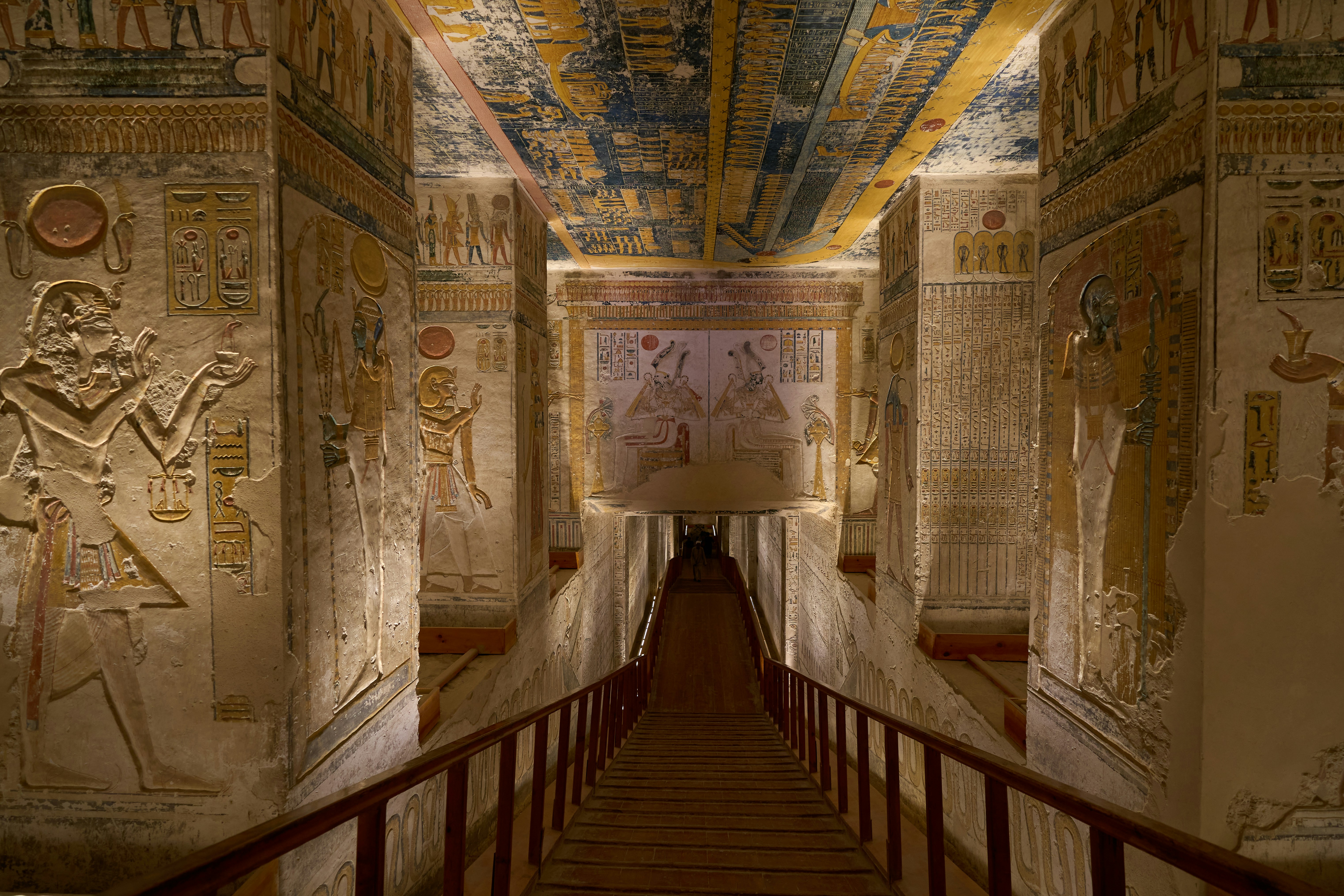
I've guided countless travelers through these tombs, and the sense of wonder never fades. Each tomb is a masterpiece of ancient art. The vibrant colors of the wall paintings, depicting scenes from the Book of the Dead and the pharaoh’s journey through the underworld, are incredibly well-preserved. It’s a direct window into ancient Egyptian beliefs about death and the afterlife. You can see scenes of the pharaoh being judged by Osiris, or sailing with Ra on his solar barque.
The most famous tomb, KV62, belongs to Tutankhamun. While smaller than some others, its discovery by Howard Carter in 1922, with its nearly intact treasures, captivated the world. Seeing the sarcophagus and the vividly decorated walls gives you a personal connection to this young pharaoh. Other tombs, like that of Ramesses VI (KV9) with its stunning astronomical ceiling, or Seti I (KV17) for its intricate details, offer different perspectives on royal burial rituals and artistic achievements. The sheer artistry and the spiritual significance of these underground chambers are truly unparalleled.
Hatshepsut's Mortuary Temple: A Terraced Marvel
Carved into the cliffs at Deir el-Bahari, Hatshepsut's temple is unlike any other. It's a stunning example of classical architecture, with three grand terraces connected by ramps. Queen Hatshepsut, one of Egypt's most powerful female pharaohs, commissioned this temple as a monument to her reign and her divine birth. It’s a testament to her strength and ambition, designed to impress and to assert her legitimacy.
The reliefs here are remarkable, depicting the divine birth of Hatshepsut, her trading expedition to the Land of Punt, and scenes of animal worship. The colonnades and courtyards create a sense of grandeur and harmony with the surrounding landscape. It’s a place that makes you appreciate the power and vision of female rulers in ancient Egypt. Standing in the court, looking out at the valley, you can’t help but feel a connection to this extraordinary queen.
Colossi of Memnon: Guardians of the Necropolis
As you approach the West Bank, you can’t miss these two colossal statues of Amenhotep III. They once guarded the entrance to his now-vanished mortuary temple. Standing over 18 meters tall, these statues have witnessed millennia of history. They are impressive sentinels, silent witnesses to the rise and fall of empires. Ancient travelers used to stop and listen for a 'singing' sound the northern statue made at dawn, a phenomenon attributed to wind or seismic activity, adding a layer of mystique to these ancient guardians.
The West Bank also includes the Valley of the Queens, where the wives and children of pharaohs were buried, and various noble tombs, each offering unique insights into the lives of the elite during different periods of Egyptian history. The sheer density of historical sites here is why a private tour is so beneficial, allowing you to explore at your own pace and truly absorb the atmosphere.
────────────────Aswan: The Gateway to Nubia and Southern Majesty
Moving south from Luxor, you reach Aswan, a city with a distinctly different, more relaxed vibe. It’s the gateway to Nubia, and its history is deeply intertwined with the ancient kingdoms to the south, as well as its strategic importance for trade and quarrying granite.
Philae Temple: An Island Jewel Rescued
One of the most beautiful and poignant sites in Aswan is Philae Temple, dedicated to the goddess Isis. This complex was painstakingly dismantled and moved to the island of Agilkia to save it from the rising waters of Lake Nasser after the construction of the High Dam. The relocation is a modern miracle that preserved an ancient wonder.
Approaching Philae by boat is an experience in itself. As the island comes into view, with its pylons and colonnades bathed in sunlight, you feel a sense of magic. The temple’s architecture is a blend of Pharaonic and Greco-Roman styles, reflecting the Ptolemaic and Roman periods when it was a major religious center. The reliefs here are exquisite, depicting Isis, Osiris, and Horus, as well as scenes of Roman emperors making offerings. Walking through its courtyards and sanctuaries, you can feel the lingering devotion to Isis, the mother goddess.
The sound and light show at Philae is also quite spectacular, bringing the history of the temple and its goddess to life against the evening sky. It’s a testament to the enduring legacy of ancient Egyptian religion and the dedication of those who saved this magnificent site.
Abu Simbel: The Colossal Masterpiece of Ramesses II
While technically a day trip from Aswan (or a longer journey from Luxor), Abu Simbel is an absolute must-see and a highlight of any Egypt history tour. These two massive rock-cut temples, carved into the mountainside, were built by Ramesses II in the 13th century BC. Their sheer scale is mind-boggling.
The Great Temple, dedicated to Amun-Re, Ptah, and Ramesses II himself, is guarded by four colossal statues of Ramesses seated on his throne. They are enormous, and standing before them makes you feel incredibly small. Inside, the halls and chambers are adorned with detailed reliefs depicting Ramesses' military victories, particularly the Battle of Kadesh, and his devotion to the gods. The most astonishing feature is the temple’s alignment: on February 22nd and October 22nd, the rising sun penetrates the sanctuary and illuminates the seated statues of the gods, leaving only Ptah, the god of darkness, in shadow. This feat of ancient astronomical and engineering precision is simply breathtaking.
The smaller Temple of Nefertari, dedicated to the goddess Hathor and Ramesses’ beloved wife, is equally stunning, with statues of Nefertari and Ramesses at the entrance. It's rare to find a temple dedicated to a queen of such prominence. Abu Simbel, like Philae, was also moved in its entirety in a UNESCO-led effort to save it from the Aswan High Dam’s rising waters, a monumental feat of engineering and preservation in the 1960s. It’s a powerful symbol of ancient Egyptian grandeur and modern ingenuity.
The Nubian Villages: A Glimpse into a Rich Culture
A boat trip along the Nile from Aswan often includes a visit to a Nubian village. These villages, with their brightly painted houses and unique architecture, offer a wonderful contrast to the ancient ruins. Nubian culture is ancient and vibrant, with its own language, traditions, and music. Meeting the friendly locals, seeing their homes, and perhaps enjoying some traditional Nubian hospitality is a deeply rewarding experience.
You can learn about their way of life, their traditional crafts, and their history, which stretches back thousands of years, predating even the pharaohs. Many Nubian families keep crocodiles as pets (in safe enclosures, of course!), a practice that has ancient roots and is fascinating to witness. It’s a chance to connect with the living heritage of Egypt.
Aswan also offers opportunities for a relaxing felucca (traditional sailboat) ride on the Nile, visiting the Unfinished Obelisk in the ancient granite quarries, and exploring the Elephantine Island. The slower pace of life here, combined with the stunning natural beauty of the Nile and the rich cultural heritage, makes Aswan a truly special place.
────────────────Planning Your Luxor & Aswan Private Tour with Bodda Tours
Traveling through Upper Egypt is an epic journey, and I believe the best way to experience it is with a private tour. This isn't just about skipping lines; it's about connection.
Why Choose Bodda Tours for Your Luxor & Aswan Adventure?
I founded Bodda Tours because I wanted to offer travelers the kind of authentic, personal experience that I love sharing with friends. When you travel with us, you're not just a client; you're a guest.
- 100% Private Tours, Absolute Comfort: Forget crowded buses and fixed schedules. With Bodda Tours, it's just you and your travel companions. We provide clean, modern, air-conditioned vehicles for door-to-door service. This means you can stop for photos whenever you like, linger longer at a site that captivates you, or take a break when you need it. Your pace, your preferences.
- Korean-Speaking Local Guides for Seamless Communication: Language barriers can be a real hassle. That’s why Bodda Tours offers incredibly knowledgeable and friendly Korean-speaking local guides. They don’t just recite facts; they share stories, cultural insights, and make sure you feel completely comfortable and understood. This is a game-changer for many travelers.
- No Scams, No Surprises – Just Verified Experiences: I've heard too many stories of travelers getting ripped off or having bad experiences with unofficial guides. At Bodda Tours, we work only with verified, professional guides and ensure all our tours are legitimate. We promise no hidden fees and complete transparency.
- No Tuktuk Fake Safaris in Siwa (and no pressure tactics here either!): While this is more relevant for Siwa, the principle applies everywhere. We offer genuine experiences. No gimmicks, no upsells you don't want. You book directly with us, real local Egyptians who care about your trip, not a reseller taking a cut.
- Direct Booking, Direct Service from Local Experts: Bodda Tours is me and my team – local Egyptians who know this country inside out. You’re not dealing with a middleman. This means better service, more authentic insights, and a genuine connection to the place.
- Custom Itineraries Tailored to You: Love photography? Want to explore specific historical periods? Interested in local cuisine? Let us know! We craft itineraries that match your interests, whether it’s spending more time capturing the light on Karnak or seeking out unique souvenirs.
- Real Traveler Reviews Available on Request: We’re proud of the experiences we provide. Just ask, and I’ll happily share recent guest reviews so you can see firsthand what others have enjoyed.
- We Make It Right: If something unexpected happens, or a delay occurs, we are committed to making it right for you, which can include compensation. Your peace of mind is our priority.
The wonders of Luxor and Aswan are immense, spanning millennia of history, art, and human endeavor. To truly appreciate them, to feel their power and understand their stories, a personalized approach is essential. A private tour ensures you can absorb the majesty without feeling rushed or lost in a crowd.
When to Visit Luxor & Aswan
The best time to visit Upper Egypt is during the cooler months, from October to April. The weather is pleasant, making sightseeing comfortable. Summer (June to August) can be extremely hot, so if you prefer cooler temperatures, aim for the shoulder seasons or winter.
What to Wear:
Pack light, breathable clothing. Cotton and linen are ideal. Comfortable walking shoes are a must. Given the religious significance of temples, it’s respectful to dress modestly, covering shoulders and knees. A hat and sunglasses are essential for sun protection.
How to Get There from Cairo:
The most convenient way is by overnight sleeper train from Cairo to Luxor, or a domestic flight to Luxor Airport (LXR) or Aswan Airport (ASW). I can arrange airport pickups and transfers for you, making the transition seamless. From Luxor to Aswan, you can take a train, a Nile cruise, or a private car. Bodda Tours can coordinate all your transportation needs between cities.
────────────────Ready to Explore Egypt's Ancient Heart? Contact Bodda Tours Today
Experiencing the grandeur of Luxor and Aswan is a journey of a lifetime. Let me and my team at Bodda Tours craft a private, unforgettable adventure for you. We’re here to make sure your trip is seamless, enriching, and filled with wonder.
- WhatsApp: wa.me/201040541153
- KakaoTalk: open.kakao.com/o/smU92Hfi
- Email: info@boddatours.me
- Website: boddatours.me
Sources & References
- UNESCO World Heritage Centre. (n.d.). Ancient Thebes with its Necropolis. Retrieved from [UNESCO World Heritage Centre website - e.g., whc.unesco.org/en/list/87]
- Egyptian Ministry of Tourism and Antiquities. (n.d.). Luxor Attractions. Retrieved from [Official Egyptian Ministry of Tourism website - e.g., www.egypt.travel/en/destinations/upper-egypt/luxor]
![[2026 Egypt History Tours] Nile Cruise Luxor Aswan: 3-Night Journey Through Pharaonic Time (Valley of Kings & Philae Temple)](https://boddatours.me/images/hq/westbank-hq.jpg)
![[2026 Egypt Tours] Siwa Oasis Honest Review (Desert Safari & History)](https://boddatours.me/images/hq/siwa-salt-lake-hq.jpg)