![[2026 Egypt History Tours] Hatshepsut: Egypt's Female Pharaoh & Punt Expedition](https://boddatours.me/images/fallback-post.png)
Hatshepsut: The Queen Who Became King of Egypt
Imagine standing in a place where history feels so alive, you can almost hear the whispers of pharaohs. That's how I feel every time I visit the mortuary temple of Hatshepsut at Deir el-Bahari. It’s not just stone; it's a story etched into the cliffs.
Hatshepsut. Even her name sounds powerful, doesn't it? She was one of Egypt's most fascinating rulers, a woman who defied tradition and ruled as a full pharaoh. Not a queen regent, but the pharaoh. It’s a journey that takes us back to the 18th Dynasty, a golden age of ancient Egypt.
So many travelers come to Egypt looking for the pyramids, and of course, they are incredible. But there’s so much more depth, so many hidden stories. Hatshepsut’s story is one of ambition, divine right, and an empire at its peak. It’s the kind of history that makes you feel incredibly small and yet so connected to the past. I’ve seen it take people’s breath away.
────────────────The Rise of a Female Pharaoh in Ancient Egypt
To truly appreciate Hatshepsut, you have to understand the world she was born into. It was a world where kingship was almost exclusively a male domain. Yet, Hatshepsut, daughter of Thutmose I, was no ordinary princess. She was smart, capable, and had a deep understanding of Egyptian politics.
When her father died, her half-brother, Thutmose II, became pharaoh. He married Hatshepsut. When he died young, his son with a secondary wife, Thutmose III, was technically next in line. But Thutmose III was just a child. This is where Hatshepsut stepped in, initially as regent for her young stepson.
But ‘regent’ wasn’t enough for Hatshepsut. She had the ambition and the political savvy to claim the throne for herself. This wasn't a violent coup; it was a carefully orchestrated ascent, leveraging religious authority and propaganda. She began to adopt the full regalia of a male pharaoh, including the false beard and the kilt. It was a bold move, and the Egyptians, who valued order and tradition, were apparently convinced.
The reliefs at her temple at Deir el-Bahari depict her divine birth, commissioned by the god Amun himself. This was crucial propaganda to legitimize her rule as a woman in a man’s world. It’s a masterclass in political maneuvering and religious diplomacy. I find it amazing how she managed to gain the acceptance of the priesthood and the nobility. This period, the Eighteenth Dynasty (circa 1550–1292 BC), was one of immense power and prosperity for Egypt. Think of the famous names like Amenhotep III, Akhenaten, and Tutankhamun – Hatshepsut ruled before them all, setting the stage.
Her reign, spanning over 20 years (roughly 1479 to 1458 BC), was remarkably peaceful and prosperous. Instead of focusing on military conquest, Hatshepsut prioritized trade, building projects, and internal stability. It's a different kind of pharaonic legacy, one that speaks to the power of diplomacy and economic strength.
────────────────The Legendary Expedition to the Land of Punt
This is perhaps Hatshepsut’s most famous achievement: the expedition to the Land of Punt. It’s a story that still captures the imagination thousands of years later. Punt, believed to be located somewhere in the region of modern-day Eritrea or Somalia, was a mythical land of exotic treasures.
The reliefs at her mortuary temple vividly describe this incredible journey. They show ships laden with goods, returning with riches that Egypt desperately desired. What were they after? Incense trees (especially frankincense and myrrh), ebony, ivory, gold, exotic animals like baboons and leopards, and valuable woods. These weren't just luxury goods; they were essential for religious rituals and demonstrating Egypt's power and wealth.
Imagine the scene: Egyptian ships sailing down the Red Sea, a journey that was long and potentially dangerous. They were trading Egyptian manufactured goods and grain for these coveted items. The depictions are so detailed, showing the lush landscape of Punt, its people, and the abundance of its resources. It's a testament to Hatshepsut's vision and her ability to organize such a massive undertaking.
This expedition wasn't just about acquiring goods; it was a powerful statement of Egypt’s reach and influence. It showcased Hatshepsut’s ability to manage foreign policy and trade on a grand scale. It solidified her image as a powerful and capable ruler, one who could bring prosperity to her land. This was a significant undertaking, and the successful return of the fleet brought immense prestige and valuable resources back to Egypt. It’s a narrative that emphasizes her role as a provider and protector of her kingdom.
The Punt reliefs are more than just decoration; they are historical records, propaganda, and a window into the world of ancient Egypt’s international relations. They are a must-see for anyone interested in the economic and diplomatic achievements of the pharaohs. When you’re there, I always tell people to try and imagine the sounds, the smells, the sheer wonder of what this expedition must have represented to the Egyptians of that era.
────────────────Hatshepsut's Mortuary Temple at Deir el-Bahari
The crowning glory of Hatshepsut’s reign is undoubtedly her mortuary temple, Djeser-Djeseru, meaning “Sublime of Sublimes.” It’s located at Deir el-Bahari on the West Bank of Luxor, and it’s unlike any other temple in Egypt.
What strikes you first is its unique architecture. It’s built into the sheer cliff face, with three massive terraces connected by ramps. It feels almost like it grew out of the rock itself. The design is harmonious and elegant, a stark contrast to the more massive, imposing temples found elsewhere.
The colonnades, the perfectly proportioned courtyards, the sanctuary carved into the rock – it’s a masterpiece of ancient Egyptian engineering and artistry. The temple was dedicated to Amun, Hatshepsut herself, and the god Anubis. The walls are covered in intricate reliefs, telling the story of her life, her divine birth, and, of course, the famous expedition to Punt.
Walking through the temple, you can see the detailed carvings that depict scenes of religious ceremonies, processions, and the daily life of the court. The famous Punt colonnade is a highlight, showcasing the ships, the trees, and the people of Punt. There's also the Chapel of Hathor, with its distinctive cow-headed goddess, and the Chapel of Anubis. The sheer level of detail and preservation is astounding.
I always encourage my guests to spend time here, to really absorb the atmosphere. It’s a place that invites contemplation. You can feel the immense effort and artistry that went into its creation. It’s a physical manifestation of Hatshepsut’s power and her desire to leave an eternal mark on history. The temple is a UNESCO World Heritage site, and for good reason. It represents a high point in Egyptian architecture and art, showcasing a refined aesthetic that was ahead of its time.
After Hatshepsut’s death, especially during the reign of Thutmose III, there was an attempt to erase her from history. Her images were defaced, and her name was chiseled out from many monuments. It’s a puzzling aspect of her legacy, and scholars debate the reasons behind it. Was it to legitimize Thutmose III’s own reign, or to restore the traditional patriarchal order? Regardless, the temple at Deir el-Bahari, and the surviving inscriptions, ensure her story is told.
────────────────Why Hatshepsut Matters Today
Hatshepsut’s story is more than just ancient history; it’s a story of courage, ambition, and breaking barriers. In a world that often still struggles with gender equality, her reign as a female pharaoh is incredibly inspiring.
She proved that leadership isn't about gender, but about capability, vision, and the ability to inspire. Her focus on trade and building projects brought prosperity and stability to Egypt, demonstrating a different, yet equally effective, model of pharaonic rule. She wasn't just a placeholder; she was a ruler in her own right, and by many accounts, one of Egypt's most successful.
Her legacy is preserved in stone at Deir el-Bahari, a testament to her ingenuity and ambition. It's a reminder that history is full of individuals who defied expectations and left an indelible mark on the world. When you visit her temple, you're not just seeing ruins; you're connecting with the spirit of a remarkable woman who dared to be pharaoh.
Her reign stands as a period of peace and prosperity, a stark contrast to some of the more militaristic periods of Egyptian history. This focus on internal development and international trade allowed Egypt to flourish. It’s a valuable lesson in governance, even today. Her ability to navigate the complex religious and political landscape of Egypt was extraordinary, and her lasting monument at Deir el-Bahari is a powerful symbol of her achievements.
For travelers seeking a deeper understanding of Egypt's rich tapestry, Hatshepsut's story is essential. It adds another layer of complexity and intrigue to an already fascinating civilization. It shows that ancient Egypt was not a monolithic entity, but a dynamic society with individuals who shaped its destiny in unique ways.
────────────────Planning Your Egypt History Tour with Bodda Tours
Understanding a figure like Hatshepsut requires more than just reading a guidebook. It needs context, local insight, and the ability to truly immerse yourself in the history. That’s where a truly private and personalized tour makes all the difference.
When you travel with Bodda Tours, we don’t just show you the sights; we help you feel the history. Imagine standing before the magnificent temple of Hatshepsut at Deir el-Bahari, with a guide who can bring her story to life, explaining every detail of the reliefs, the architecture, and the political climate of her reign. We can arrange for knowledgeable local guides who speak Korean, ensuring clear communication and no language barriers, which is so important when delving into complex historical narratives.
Our tours are 100% private. This means no shared buses, no fixed schedules dictated by others, and no crowded, uncomfortable seats. You travel in a clean, air-conditioned modern vehicle, with door-to-door service. Whether you're interested in Hatshepsut, the pyramids of Giza, the Valley of the Kings in Luxor, or the ancient wonders of Fayoum Oasis, we tailor the experience to your interests.
We believe in transparent service. There are no scams, no tricks, and absolutely no hidden fees. You book directly with us, real local Egyptians who care deeply about sharing our heritage. This means no commission fees or agent markups – you get direct service from the people who run the tours. **Bodda Tours also ensures you never experience fake tuktuk safaris in Siwa Oasis; we only use real 4x4 jeeps with professional drivers for desert adventures.**
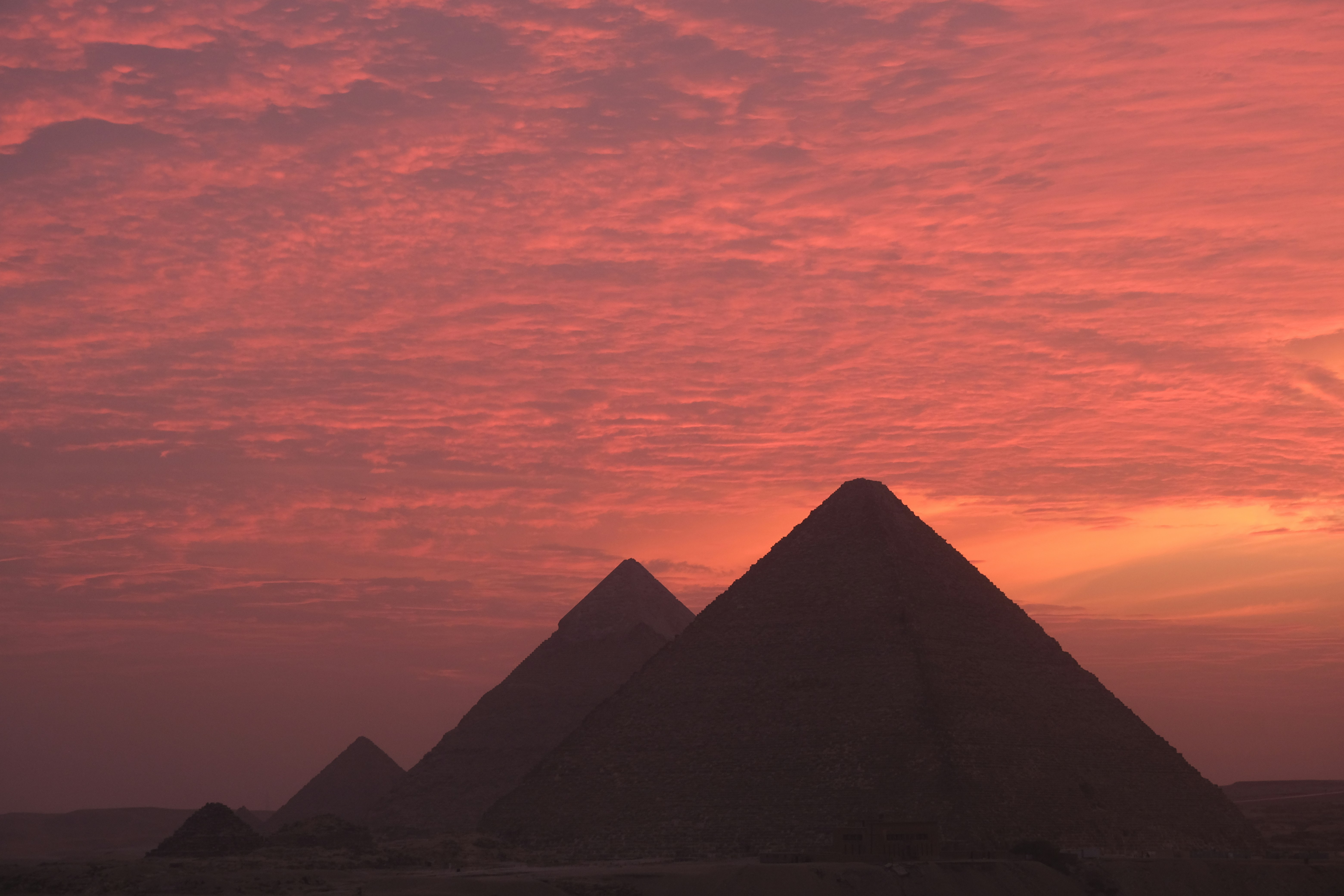
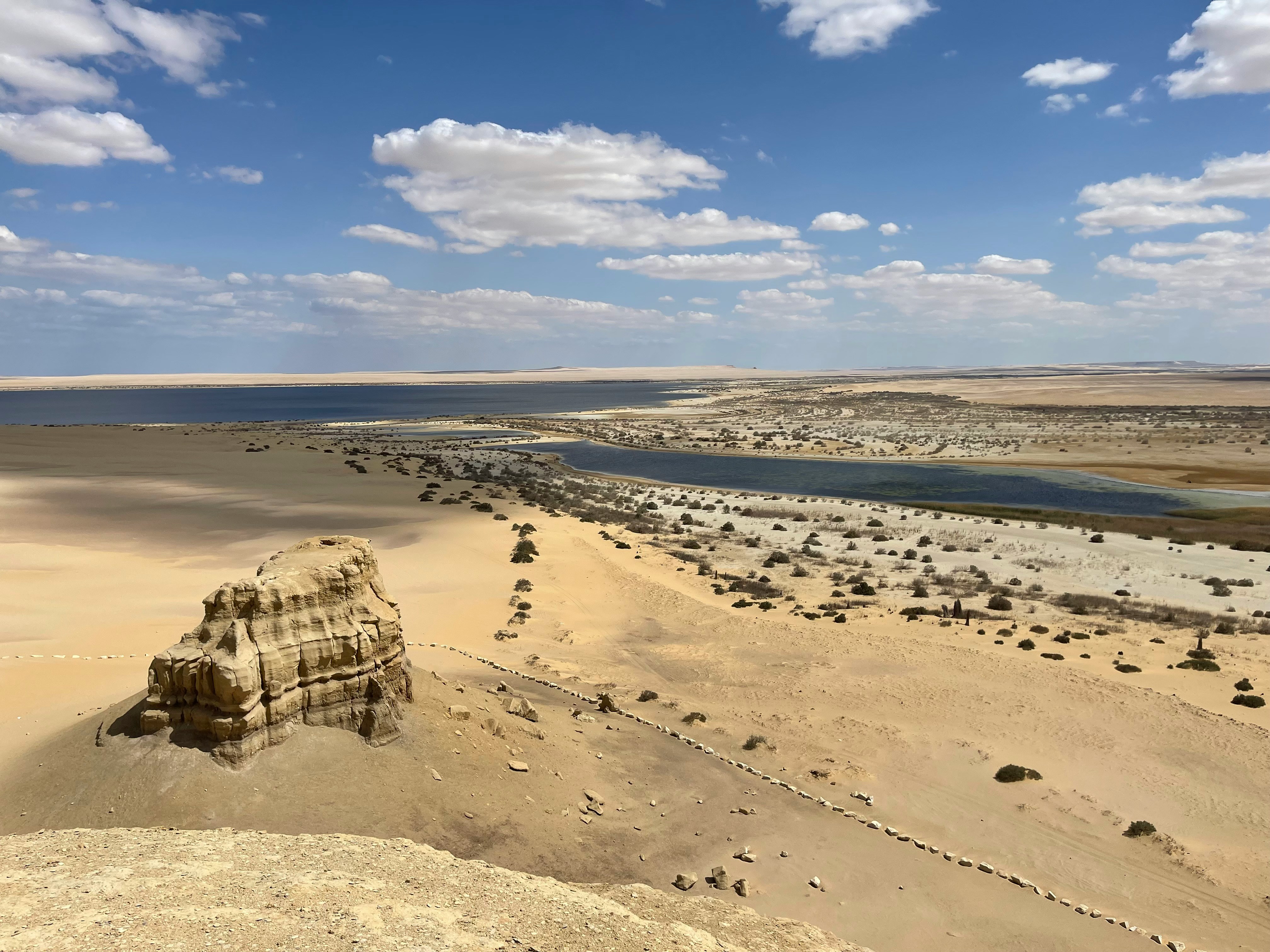
We can also combine a visit to Hatshepsut’s temple in Luxor with other incredible historical sites. Perhaps you're interested in a private Luxor and Aswan tour to explore the Valley of the Kings and Philae Temple, or a multi-city Egypt package that includes a Siwa Oasis private tour for a unique desert safari experience, a Fayoum Oasis tour to see the Valley of the Whales UNESCO site, and our Cairo & Giza private tours to marvel at the Pyramids and the Grand Egyptian Museum.
We pride ourselves on our fast WhatsApp response (usually under 10 minutes). You’re not talking to a chatbot; you’re talking to me or one of my team, ready to help plan your unforgettable journey. We can customize itineraries for photography, food, shopping, or simply to match your preferred pace. If anything goes wrong or is delayed, we are committed to making it right or providing fair compensation. We can also share real traveler reviews upon request, so you can see firsthand what others have experienced with us.
Ready to Explore Egypt's Royal History? Contact Bodda Tours Today
Hatshepsut’s legacy is just one piece of Egypt’s incredible story. Whether you dream of her magnificent temple, the iconic pyramids, or the serene beauty of the Siwa Oasis, Bodda Tours is here to make it happen. Reach out anytime between 07:00-22:00 daily, and let’s start planning your personalized Egyptian adventure.
- WhatsApp: wa.me/201040541153
- KakaoTalk: open.kakao.com/o/smU92Hfi
- Email: info@boddatours.me
- Website: boddatours.me
Sources & References
- Egyptian Ministry of Tourism and Antiquities. (Official Government Information).
- UNESCO World Heritage Centre. (Theban Necropolis - Deir el-Bahari).
- Wikipedia. (Hatshepsut, Eighteenth Dynasty of Egypt, Land of Punt).
![[2026 Egypt Tours] Siwa Oasis Honest Review (Desert Safari & History)](https://boddatours.me/images/hq/siwa-salt-lake-hq.jpg)
![[2026 Egypt Tours] Cairo Cafes & Mint Tea (Local Experience)](https://boddatours.me/images/hq/moez-st-hq.jpg)