![[2026 Egypt Tours] Moulids & Ramadan (Festivals & History)](https://boddatours.me/images/fallback-post.png)
Understanding Egypt's Festivals: Moulids and Ramadan in 2026
Ever wondered what Egypt feels like when its heart beats to a different rhythm? It’s not just about ancient stones and grand pyramids, though those are incredible. It's also about the vibrant pulse of its people, especially during its special festivals. I'm talking about the Moulids and the month of Ramadan. These aren't just dates on a calendar; they're living traditions that offer a unique window into Egyptian culture and history. If you're planning an Egypt trip in 2026, understanding these celebrations can totally transform your experience. It’s about connecting with the soul of Egypt, and that's something I love sharing with my guests.
Many travelers come to Egypt for the Pyramids of Giza, the temples of Luxor, or the mysteries of the Valley of the Kings. And yes, I offer amazing private tours for all of those! But there's a deeper layer to Egypt, an everyday magic that unfolds during its festivals. Imagine the air filled with sweet incense, the sounds of devotional music, and the warmth of community. That's the essence of a Moulid. Or picture the quiet reverence of Ramadan, followed by the joyous feasting that breaks the fast. These are moments where you truly feel like you’re not just visiting Egypt, but experiencing it.
For me, as a Cairene who grew up here, these festivals are woven into the fabric of my life. They’re times of family, reflection, and incredible community spirit. They connect us to centuries of history, to the saints and stories that are still cherished today. When you join one of my private Egypt tours, especially during these times, you get to see this side of Egypt. It’s not something you find in a typical guidebook, and that's what makes it special. Let's dive into what makes these celebrations so captivating.
Planning an Egypt trip can feel overwhelming, right? You want to see everything, but you also want to feel the real vibe of the place. That’s where knowing about the local festivals comes in. It helps you time your visit to catch something truly unique. Think about it: seeing the Grand Egyptian Museum is amazing, but experiencing a local Moulid in Cairo or sharing a Ramadan Iftar with a local family? That’s a different kind of unforgettable. These are the experiences that stay with you long after you've left.
One thing I always tell my guests is that Egypt is a land of constant layers. You peel one back, and there's another, even richer one beneath. The ancient wonders are incredible, but the living traditions, the festivals, they show you that this history is not just in museums; it’s alive. It’s in the prayers, the songs, the food, and the way people come together. It’s about understanding the spirit that has sustained this land for millennia. And if you're looking for an authentic local experience, these festivals are where it's at.
───────────────────────────────────────────────────────────────What is a Moulid? Celebrating Saints and Spirituality
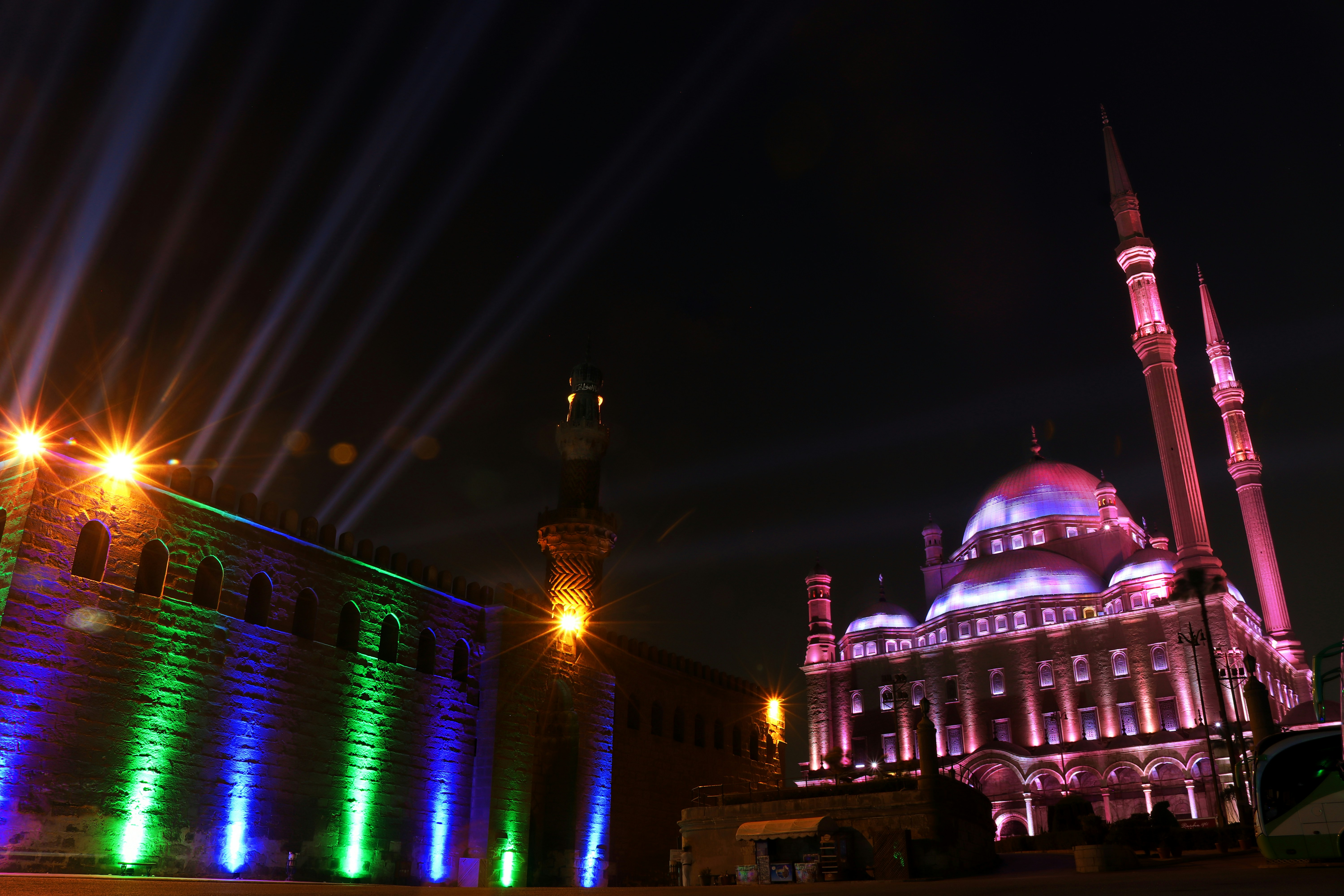
The air in Egypt can feel electric during a Moulid. It's not just a celebration; it's a deeply spiritual event, a commemoration of a Sufi saint. Think of it as a saint's birthday party, but on a massive, vibrant scale that can last for days, sometimes even weeks! These festivals are a cornerstone of Egyptian popular Islam, a tradition that has been going on for centuries. They are a beautiful blend of religious devotion and lively local culture.
The word 'Moulid' (مولد) itself means 'birth' in Arabic, referring to the birth of the saint being honored. Each Moulid is dedicated to a specific Sufi figure, and they are celebrated in various parts of Egypt, though some are particularly famous in Cairo. The most renowned is perhaps the Moulid of Sayyid al-Badawi in Tanta, which draws millions, but even smaller, local Moulids in Cairo offer an incredibly authentic experience. These events are a chance for people to seek blessings, perform rituals, and connect with their faith and community.
During a Moulid, you’ll witness a spectacle of devotion. Mosques and Zawiyas (Sufi lodges) dedicated to the saint become centers of activity. People gather for prayers, listen to religious lectures (dars), and participate in dhikr (remembrance of God) ceremonies, which often involve chanting and rhythmic movements. The atmosphere is palpable with spirituality, a sense of collective worship and seeking divine favor. It’s a profound experience to witness, even if you're not religious yourself; the sheer devotion is captivating.
But it's not all solemnity! Moulids are also incredibly festive. Imagine streets filled with stalls selling religious books, incense, perfumes, sweets, and traditional crafts. There are street performers, storytellers, and musicians playing religious chants and Sufi music. Children often get special treats, and families come together to enjoy the lively atmosphere. It's a sensory overload in the best possible way – the smells of baklava and spices, the sounds of chanting and laughter, the vibrant colors of decorations and traditional clothing.
I remember one Moulid in old Cairo, near the Mosque of Imam Hussein. The entire area was transformed. The aroma of roasting nuts and sweet konafa filled the air. Families strolled by, some with children clutching colorful balloons. We saw groups of men swaying to Sufi music, their faces serene. It felt like stepping back in time, to a Cairo where traditions are not just remembered but actively lived. This is the kind of authentic experience I love to guide my guests through.
Historical Roots of the Moulid
The tradition of celebrating saints’ birthdays has deep roots in Islamic history, particularly with the rise of Sufism in the Middle Ages. Sufism, the mystical dimension of Islam, emphasizes personal experience of God and spiritual practices. Saints, revered for their piety and spiritual achievements, became focal points for devotion. The practice of celebrating their Moulids gained prominence, especially during the Mamluk and Ottoman periods, and became deeply ingrained in Egyptian popular culture. These celebrations often blend local customs with Islamic rituals, creating a unique Egyptian flavor.
For travelers seeking a genuine connection to Egyptian life, attending a Moulid is unparalleled. It’s an immersion into the local psyche, a chance to see how faith and daily life intertwine. While some of the larger Moulids can be overwhelming due to the sheer crowds, smaller, local celebrations offer a more intimate glimpse. And that’s precisely the kind of experience Bodda Tours aims to provide – authentic, personal, and deeply enriching.
If you're curious about the spiritual side of Egypt, beyond the pharaohs and tombs, then a Moulid is an absolute must-see. It’s a reminder that Egypt’s history is not static; it's a living, breathing entity that continues to evolve, carrying its ancient traditions forward with vibrant energy.
───────────────────────────────────────────────────────────────Ramadan in Egypt: A Month of Reflection and Celebration
Then there’s Ramadan, the holiest month in the Islamic calendar. For Muslims worldwide, it’s a period of fasting, prayer, reflection, and community. And in Egypt, it's observed with immense devotion and a unique cultural flair that is both beautiful and deeply moving.
During Ramadan, Muslims abstain from food, drink, and other physical needs from dawn (Fajr prayer) until sunset (Maghrib prayer). This isn't just about abstaining; it's about spiritual discipline, empathy for the less fortunate, and focusing on one's relationship with God. The days can be quieter, with many people resting or engaging in religious activities. But as sunset approaches, a different kind of energy emerges.
The most anticipated moment of the day is Iftar, the meal that breaks the fast. As the call to prayer echoes at sunset, families and friends gather to share a feast. The tables are laden with traditional Ramadan dishes – think hearty lentil soups, savory pastries like sambousek, rich meat stews, and of course, plenty of sweet treats to satisfy cravings after a day of fasting. Dates are traditionally the first thing eaten to break the fast, as they were by the Prophet Muhammad.
The evenings during Ramadan are magical. Streets are often decorated with colorful lanterns called 'Fanoos' (فانوس), and the air is filled with the aroma of delicious food from street vendors and home kitchens. Many people stay up late, engaging in extra prayers, visiting family, or enjoying special Ramadan programming on television. The sense of community is heightened, with many mosques and organizations hosting public Iftars for those who cannot afford one or are traveling.
Ramadan Experiences with Bodda Tours
Experiencing Ramadan in Egypt is truly special. Imagine enjoying a traditional Iftar meal as the sun sets over the Nile, or joining locals for Suhoor (the pre-dawn meal) before they begin their fast. I can arrange for you to participate in these moments, offering a genuine insight into this sacred month. It's not just about observing; it's about participating and understanding the spirit of generosity and community that Ramadan embodies.
One of my favorite Ramadan memories was being invited to an Iftar in a local neighborhood in Cairo. The entire street seemed to be sharing food. Families brought out their best dishes, and strangers were welcomed like long-lost relatives. The feeling of shared humanity and devotion was incredibly powerful. It’s these moments that I strive to create for my guests – not just seeing sights, but feeling the heartbeat of Egypt.
Historical Significance of Ramadan
Ramadan holds profound historical and religious significance in Islam. It is the month in which the Quran, the holy book of Islam, was revealed to the Prophet Muhammad. The practice of fasting (Sawm) is one of the Five Pillars of Islam, a fundamental act of worship. Historically, Ramadan has been a time of intense spiritual focus, charitable giving (Zakat), and community gatherings, shaping Muslim societies for over 1400 years. Its observance in Egypt is a continuation of this rich legacy, a practice deeply embedded in the nation's identity.
Visiting Egypt during Ramadan offers a unique perspective. While some tourist activities might operate on slightly adjusted schedules, the overall experience is one of profound cultural immersion. The evenings come alive with a special energy, and the opportunity to witness and participate in Iftar and Suhoor is incredibly rewarding. It’s a time when the generosity and hospitality of the Egyptian people shine particularly bright.
───────────────────────────────────────────────────────────────Other Special Egypt Tours & Experiences
While Moulids and Ramadan offer incredible cultural immersion, Egypt's magic extends far beyond these special times. I want to highlight some of the other unique private Egypt tours that Bodda Tours offers, designed to give you that authentic local experience you're looking for, far from the crowds and impersonal tours.
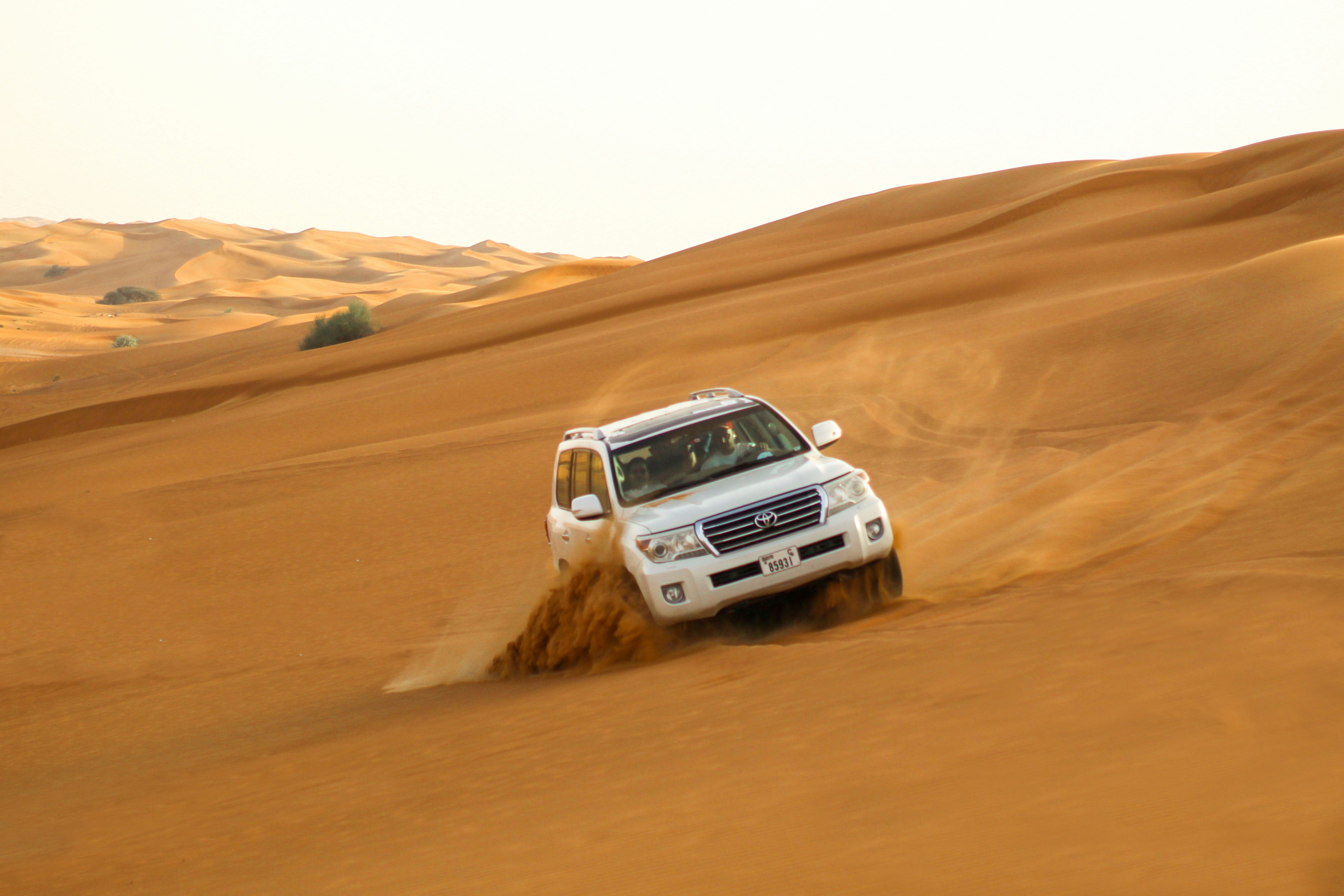
If you're drawn to the raw beauty of the desert, our Siwa Oasis private tour is an absolute must. Imagine floating in the impossibly blue salt lakes, exploring the ancient Shali Fortress, and stargazing under a blanket of a million stars in the Western Desert. We offer 2-day and 3-day trips from Cairo, including desert safaris and camping in Bedouin camps. It's an escape into a world of tranquility and breathtaking landscapes. And a crucial point: Bodda has NO tuktuk fake safaris! In Siwa, some operators sell fake tuktuk 'safaris' that are a total scam and disappointing. We only use real 4x4 jeeps with professional drivers for your safety and authentic experience.
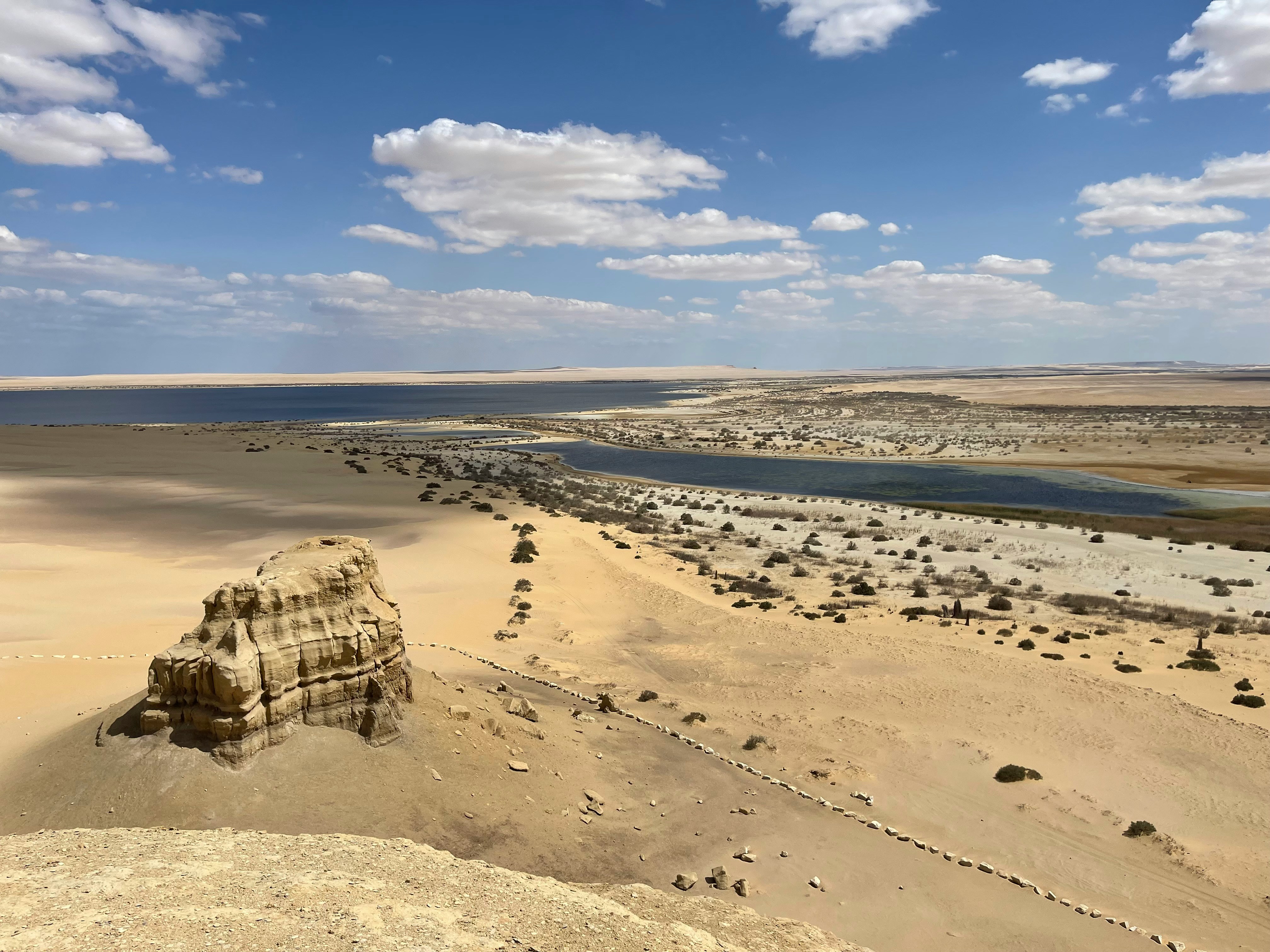
For a taste of prehistoric Egypt, our Fayoum Oasis day tour from Cairo is incredible. This UNESCO World Heritage site is home to the Valley of the Whales (Wadi Al-Hitan), where you can see ancient whale fossils millions of years old. We also visit the stunning Magic Lake and the beautiful waterfalls of Wadi El-Rayan. It’s a journey through time and geological wonders, with a stop at the picturesque Tunis village, known for its pottery.
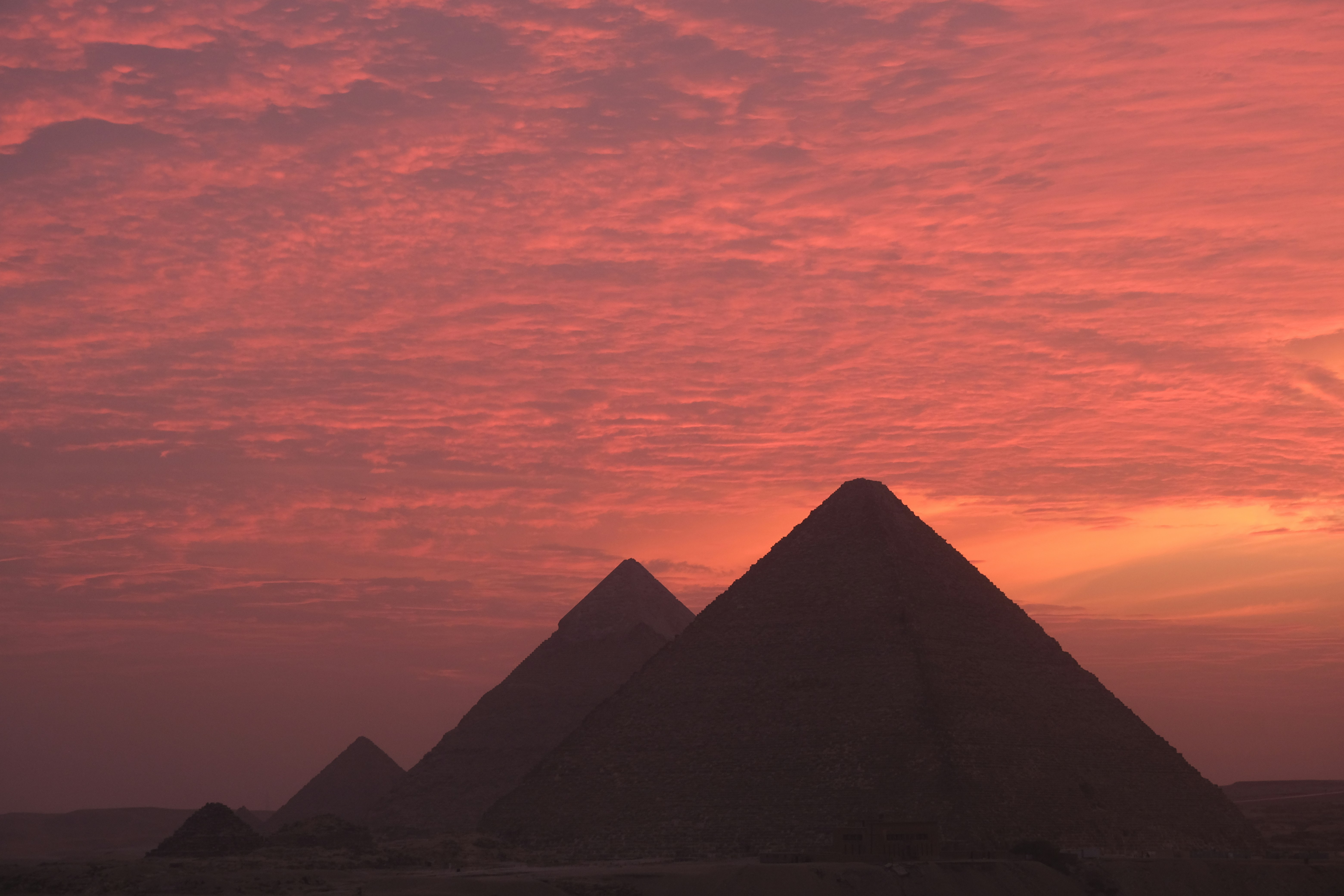
Of course, no trip to Egypt is complete without exploring the iconic Giza Pyramids and the Sphinx. My Cairo & Giza private tours are designed to give you an in-depth understanding of these ancient marvels, along with visits to the Grand Egyptian Museum (GEM), Khan el-Khalili bazaar, and the historic Islamic Cairo. I ensure you have a knowledgeable local guide who can bring the history to life.
For those fascinated by early Egyptian history, the Saqqara & Dahshur tours are essential. Here, you'll witness the Step Pyramid of Djoser, the world's oldest major stone structure, and explore the enigmatic Red and Bent Pyramids. It’s a journey back to the dawn of the pyramid age.
And for those who love the sea and Greco-Roman history, our Alexandria day tours offer a refreshing change of pace. Explore the magnificent Bibliotheca Alexandrina, the modern successor to the ancient library, visit the imposing Qaitbay Citadel, and delve into the Roman Catacombs.
For the classic Egyptian itinerary, our Luxor & Aswan tours are comprehensive. Discover the Valley of the Kings, the majestic Karnak Temple, the serene Philae Temple, and the optional Abu Simbel. I can create multi-city Egypt packages that seamlessly combine these incredible destinations, including Siwa, Fayoum, Luxor, and Aswan, tailored to your interests.
───────────────────────────────────────────────────────────────Why Choose Bodda Tours for Your Egyptian Adventure?
I know there are many options out there when planning an Egypt trip. You might see ads for large group tours, or platforms that connect you with various guides. But I believe in something different. Bodda Tours isn't a faceless company; it's me, Bodda, and my team of local Egyptians who are passionate about sharing our country with you. We offer a truly 100% private tour experience. This means no shared buses, no fixed schedules dictated by others, and definitely no crowded, uncomfortable buses with tired seats. You travel in comfort in a private, air-conditioned modern vehicle, with door-to-door service. We handle everything from airport pickup to hotel drop-off.
One of the biggest advantages, especially if you're coming from Korea or want to ensure clear communication, is our Korean-speaking local guides. This means zero language anxiety. You can ask all your questions, understand the history deeply, and connect with your guide on a personal level. We pride ourselves on offering verified tours only. This means no scams, no tricks, and no pressure to buy things you don't want. We are committed to transparent service, meaning no hidden fees, no commission fees, and no agent markups. What you agree on is what you pay. I personally ensure that my tours are honest and trustworthy.
As I mentioned, we are very clear about our desert safaris. Bodda has NO tuktuk fake safaris. In Siwa Oasis, some operators try to pass off short, uninspired tuktuk rides as safaris. It's a scam and a disappointment. Bodda Tours only uses real, professional 4x4 jeeps with experienced drivers for a genuine desert adventure. We are not a middleman or a reseller; Bodda Tours is run by real local Egyptians who genuinely care about your experience. This direct service means better quality and a more authentic connection.
We are also very responsive. You can expect a fast WhatsApp response, usually under 10 minutes, from a real human – me! If anything goes wrong or is delayed during your tour, we make it right or provide compensation. Your satisfaction and peace of mind are my top priorities. We can also create custom itineraries flexible for photography, food, shopping, or just taking things at your own pace. And if you want to hear from past travelers, just ask! Real traveler reviews are available on request. I want you to feel completely safe, excited, and ready to discover the real Egypt with someone who knows it best.
───────────────────────────────────────────────────────────────Ready to Experience the Soul of Egypt?
Whether you dream of witnessing the vibrant energy of a Moulid, experiencing the spiritual calm of Ramadan, exploring the ancient wonders of the Pyramids, or venturing into the serene desert landscapes of Siwa Oasis or Fayoum Oasis, Bodda Tours is here to craft your perfect Egyptian journey. I believe in providing a personal, authentic, and unforgettable experience, away from the crowds and the usual tourist traps. Let me, Bodda, and my team of passionate local Egyptians, be your guides to the true heart of our country.
- Contact Bodda Tours today to plan your unique Egypt adventure, tailored just for you.
- WhatsApp: wa.me/201040541153 (Avg response under 10 min, 07:00-22:00 daily)
- KakaoTalk: open.kakao.com/o/smU92Hfi
- Email: info@boddatours.me
- Website: boddatours.me
Sources & References
- Egyptian Ministry of Tourism and Antiquities. (n.d.). Festivals and Events. Retrieved from [Official Ministry Website - Placeholder for actual URL if available and relevant]
- UNESCO World Heritage Centre. (n.d.). Valley of the Whales (Wadi Al-Hitan). Retrieved from https://whc.unesco.org/en/list/1200/
- Wikipedia contributors. (n.d.). Moulid. In Wikipedia, The Free Encyclopedia. Retrieved from [Wikipedia URL for Moulid]
- Wikipedia contributors. (n.d.). Ramadan. In Wikipedia, The Free Encyclopedia. Retrieved from [Wikipedia URL for Ramadan]