![[2026 Egypt Tours] Mastaba Tombs: Unseen Royal Neighbors (Old Kingdom Secrets)](https://boddatours.me/images/fallback-post.png)
Unlocking the Secrets of the Mastaba Tombs: Egypt's Old Kingdom Foundations
Ever wondered what came before the iconic pyramids? I've always been fascinated by how ancient Egyptians built their civilization from the ground up. It wasn't just about pharaohs and grand monuments; there's a whole other layer of history, the stories of the nobles and officials who served them. These are the stories held within the Mastaba tombs, the original royal neighborhoods, if you will, that paved the way for the colossal pyramids we see today.
When people think of ancient Egypt, their minds usually jump straight to Giza. And don't get me wrong, the Pyramids are absolutely breathtaking. But if you want to *truly* understand the evolution of Egyptian burial practices and the social structure of the Old Kingdom, you need to look a little deeper. You need to explore the ancient necropolises, especially around Saqqara, where these incredible mastabas stand as silent witnesses to millennia of history.
I remember my first time wandering through the labyrinthine corridors of a mastaba, the air thick with the scent of dust and ages. It's a feeling that’s hard to describe – a profound connection to the past. You’re not just looking at old stones; you're stepping into the homes and eternal resting places of people who shaped Egypt's destiny. It’s an experience that makes history feel alive.
If you're looking for private Egypt tours that go beyond the usual checklist, delving into the heart of ancient Egyptian society, then exploring the mastabas is an absolute must. It’s where the foundational ideas for Egypt's grandest architectural feats were born.
Let's talk about what makes these structures so special and why a visit to the mastaba fields, especially with a knowledgeable local guide, is an unforgettable part of any Egypt history tour.
────────────────The Dawn of Egyptian Monumental Architecture: What is a Mastaba?
Imagine the early days of Egyptian civilization, long before the smooth, triangular faces of the pyramids dominated the horizon. How did they honor their dead, especially those of high status? The answer lies in the mastaba tombs. These were the dominant tomb structures for royalty and the elite from the Early Dynastic Period (around 3100���2686 BCE) right through to the Old Kingdom (around 2686–2181 BCE).
The name 'mastaba' actually comes from the Arabic word for 'bench,' and you can see why. From above, these tombs look like rectangular, flat-topped structures, much like a mudbrick bench. They were typically built from mudbrick or, for the more important individuals and later periods, from quarried stone blocks. Think of them as the original, ground-level palaces for the afterlife.
But a mastaba was far more than just a simple mound. It was a sophisticated architectural complex designed to house the deceased and facilitate their eternal journey. Each mastaba had two main parts:
- The Superstructure: This is the visible part, the rectangular building above ground. It contained a chapel or offering hall where relatives and priests could leave offerings for the deceased. This was crucial for sustaining the 'ka' (life force) in the afterlife.
- The Substructure: Buried deep beneath the superstructure was the burial chamber. This was where the sarcophagus containing the mummy was placed. Access to this chamber was often via a deep shaft, sealed after burial to protect the body from tomb robbers.
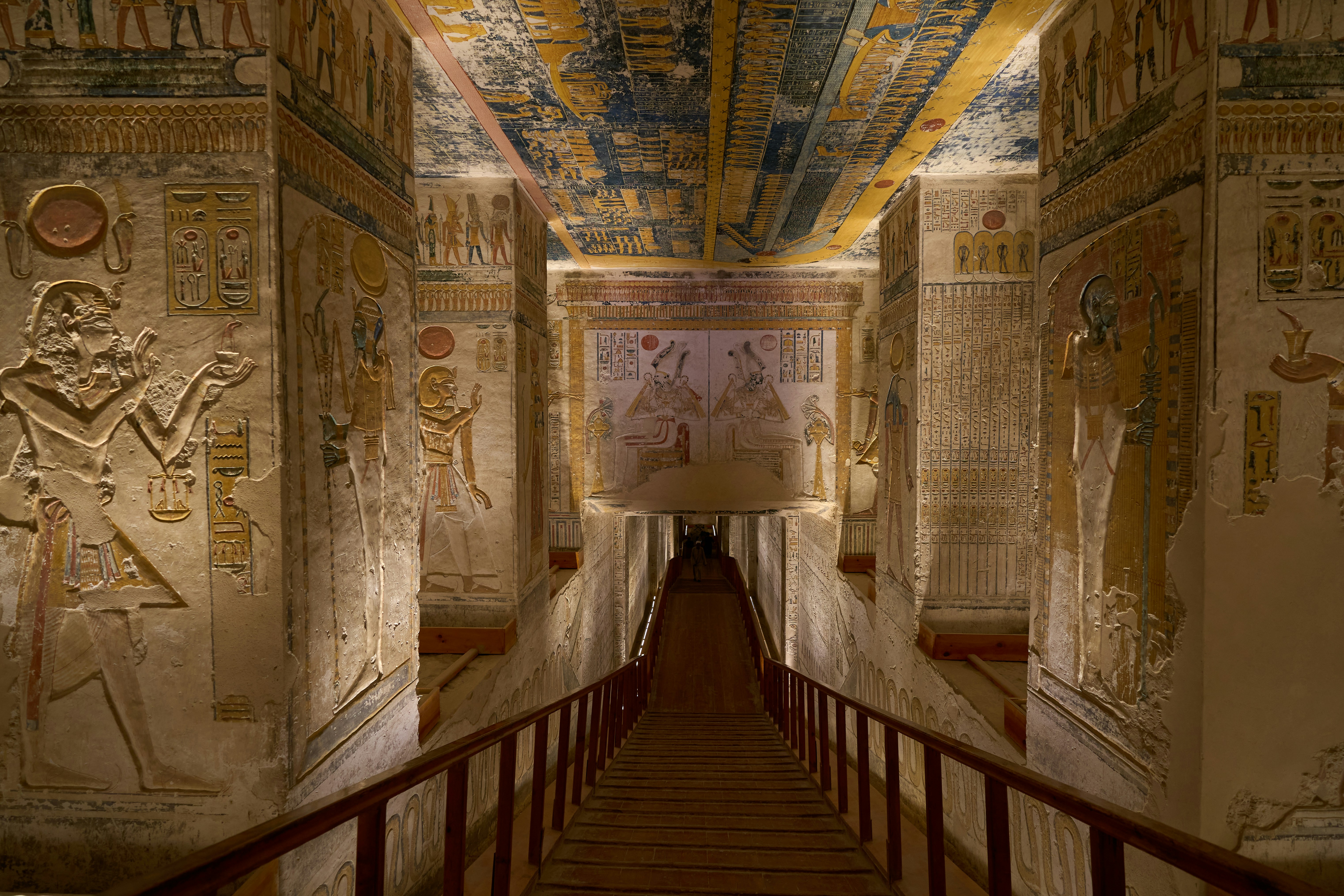
The walls of the chapel were often elaborately decorated with reliefs and paintings depicting scenes of daily life, agricultural activities, and religious rituals. These weren't just pretty pictures; they were believed to magically provide for the deceased in the afterlife. If you’re interested in understanding the daily lives of ancient Egyptians, not just their kings, the artwork in these mastabas is an invaluable window.
These structures represent a crucial step in the development of Egyptian funerary architecture. They show a clear progression from simpler burial pits to more complex, permanent structures. The ideas and engineering principles developed in building mastabas directly influenced the construction of the first pyramids, most notably the Step Pyramid of Djoser at Saqqara.
────────────────A Glimpse into the Old Kingdom Elite: Who Was Buried Here?
Visiting the mastaba tombs isn't just about admiring ancient architecture; it's about connecting with the people who lived and died during one of Egypt's most formative periods. These weren't just tombs for anyone; they were reserved for the highest echelons of society below the pharaoh himself.
During the Old Kingdom, Egyptian society was highly stratified. At the very top was the divine pharaoh, believed to be a god on Earth. Immediately below him were the viziers, the chief ministers, and other high-ranking officials, nobles, priests, and scribes. These were the individuals who managed the vast administrative, economic, and religious machinery of the state. They were the architects of the pharaoh's power and the keepers of its secrets.
Think about people like Imhotep, the brilliant architect, physician, and high priest who is credited with designing the Step Pyramid of Djoser. He would have been buried in a mastaba fitting his immense prestige. Or consider the numerous nomarchs (governors of provinces), overseers of granaries, or royal scribes who held immense influence. Their mastabas, clustered together in vast cemeteries like those at Saqqara and Dahshur, formed elaborate cities of the dead.
The size and decoration of a mastaba often reflected the owner's status. The grandest ones, belonging to viziers or royal family members, were massive complexes with intricate chapels, false doors (believed to be portals for the spirit), and sometimes even subsidiary tombs for family members. The wall carvings in these tombs tell us so much about their lives: scenes of them presiding over court, inspecting royal estates, hunting in the marshes, or enjoying banquets with their families. It’s a rich tapestry of aristocratic life.
For travelers seeking a deeper understanding of ancient Egyptian social structure, exploring these tombs offers a unique perspective. It shows that the Old Kingdom was built not just by pharaohs, but by a complex bureaucracy of talented individuals. These individuals dedicated significant resources to ensuring their legacy and their comfort in the afterlife, hence the elaborate nature of their tombs.
If you’re planning an Egypt history tour, understanding the role of these officials through their burial sites provides a more nuanced picture of this ancient civilization.
────────────────Saqqara: The Ultimate Mastaba Necropolis
When we talk about mastabas, one name immediately comes to mind: Saqqara. This vast ancient burial ground, located about 30 kilometers south of Cairo, is arguably the most important site for understanding early Egyptian monumental architecture and the evolution of tomb building. It's a place I love bringing my guests to because it feels like stepping onto a historical timeline.
Saqqara served as the primary necropolis for the ancient Egyptian capital of Memphis for thousands of years. This means it's packed with an incredible density of tombs, from the earliest dynasties right through to the Roman period. But for us, the real treasures are the Old Kingdom mastabas, especially those found in the vast fields west of the Step Pyramid.
The most famous mastabas here belong to the highest officials of the 5th and 6th Dynasties. These are the ones with the most stunning reliefs and the most complex layouts. Imagine walking through tombs like:
- The Mastaba of Ti: This is a classic example, renowned for its incredibly detailed and well-preserved reliefs depicting scenes of daily life, agriculture, and craftsmanship. You can almost hear the sounds of the workshops and the bustling markets.
- The Mastaba of Ptahhotep and Akhethotep: These adjacent mastabas are famous for their high-quality carvings and the depiction of elaborate offerings and scenes of the deceased in the afterlife. The artistry here is simply breathtaking.
- The Mastaba of Mereruka: This is one of the largest mastabas at Saqqara, belonging to a vizier during the 6th Dynasty. It has over 30 chambers, each decorated with vivid scenes. It's like a small city of the dead!
What makes Saqqara so special is that you can see the direct lineage from the mastaba to the pyramid. The Step Pyramid itself, built for Pharaoh Djoser by the genius Imhotep, is essentially a series of mastabas stacked on top of each other. It's a monumental leap, but the mastaba form is clearly the foundation.
Exploring Saqqara with a knowledgeable guide is essential. The sheer scale of the site and the intricate details within each tomb can be overwhelming. A good guide can point out the most significant features, explain the iconography, and bring the lives of the people buried there back to life. It's not just about seeing the tombs; it's about understanding the stories they tell.
If you're planning a Siwa Oasis tour from Cairo, I highly recommend combining it with a deep dive into the history closer to the capital. Saqqara offers that profound historical context that makes the whole Egyptian experience so much richer.
────────────────Beyond Saqqara: Mastabas in Other Necropolises
While Saqqara is the undisputed star when it comes to Old Kingdom mastabas, these significant burial structures aren't confined to just one location. The influence of this tomb type spread across Egypt, particularly in the areas surrounding the capital and other important administrative centers.
Other key sites where you can find impressive mastabas include:
- Dahshur: This site is famous for its pyramids, including the Bent Pyramid and the Red Pyramid, built by Pharaoh Sneferu. However, Dahshur also contains mastabas of royal family members and high officials who were buried in the vicinity of the royal necropolis. These mastabas often share the same quality of construction and decoration as those found at Saqqara, reflecting the close proximity to royal burials.
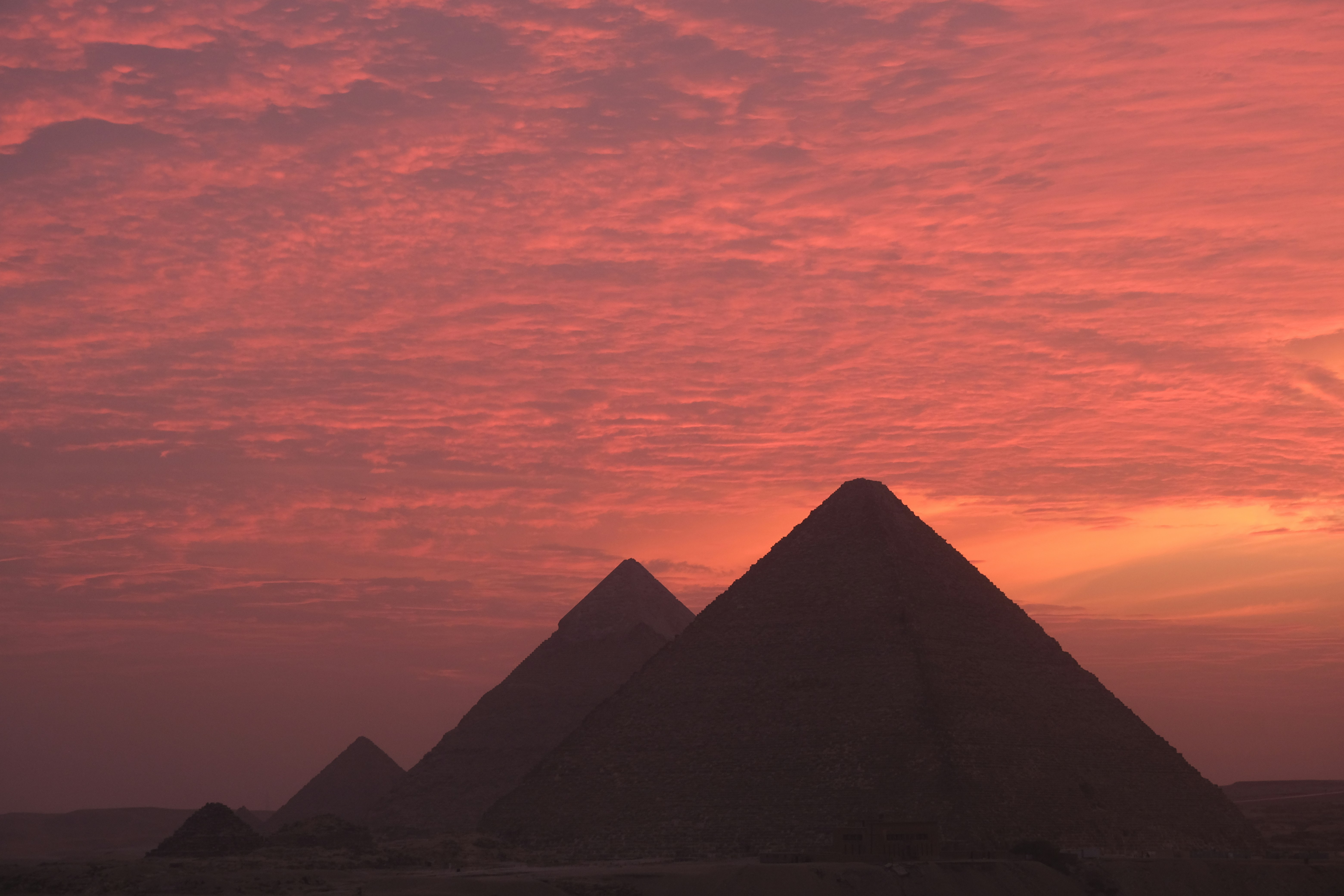
- Giza Plateau: While the Giza pyramids themselves are the main attraction, the areas surrounding them are filled with smaller pyramids and extensive mastaba cemeteries. These belong to the courtiers, priests, and family members of the pharaohs buried in the great pyramids. Walking through the mastaba fields at Giza, just a stone's throw from the Great Pyramid, gives you a sense of the entire royal court's resting place.
- Abusir: Located between Saqqara and Giza, Abusir was a royal necropolis during the 5th Dynasty. It features several important pyramids and a collection of well-preserved mastabas belonging to high-ranking officials of that period. Some of the reliefs found here are exceptionally fine, offering detailed insights into administration and religious practices.
These additional sites provide a broader understanding of how the mastaba tomb tradition was integrated into the larger funerary landscapes of Old Kingdom Egypt. They show a consistent approach to honoring the elite, regardless of the specific location of the royal pyramids.
When you plan your private Egypt tours with me, we can tailor the itinerary to include these fascinating sites. For instance, a comprehensive Saqqara & Dahshur tour can give you a fantastic overview of both pyramid development and the associated elite burials. It's about piecing together the full picture of ancient Egyptian life and death.
These mastabas, though perhaps less famous than the pyramids, are vital for understanding the social hierarchy, religious beliefs, and artistic achievements of the Old Kingdom. They represent the foundations upon which Egypt's most enduring monuments were built.
────────────────The Transition: From Mastaba to Pyramid
The evolution from the humble mastaba to the colossal pyramid is one of the most remarkable architectural journeys in human history. It’s a story of innovation, ambition, and a deep-seated belief in the divine power of the pharaoh.
As I mentioned, the Step Pyramid of Djoser at Saqqara is the pivotal monument in this transition. It’s essentially a mastaba that kept growing. Imhotep, Djoser's brilliant vizier, didn't just build a single mastaba; he stacked several mastabas of decreasing size on top of each other. This created the iconic stepped effect, a design that was revolutionary for its time.
Why the change? Several factors likely contributed:
- Imperial Ambition: As the pharaonic state consolidated power, rulers sought more grandiose ways to express their divine authority and eternal legacy.
- Religious Beliefs: The stepped design was thought to represent a staircase or ramp to the heavens, facilitating the pharaoh's ascent to the realm of the gods.
- Architectural Experimentation: The success of the Step Pyramid encouraged further experimentation. Builders learned from the challenges of stacking such massive structures, refining their techniques.
This experimentation led to the smooth-sided pyramids we recognize today. Pharaoh Sneferu, father of Khufu (builder of the Great Pyramid), was a key figure in this development. He built three major pyramids:
- The Meidum Pyramid: Initially a step pyramid, it was later modified to have smooth sides, but its outer casing collapsed, leaving a distinctive tower-like core.
- The Bent Pyramid at Dahshur: This is a fascinating example of architectural trial and error. The builders clearly realized the angle was too steep mid-construction and adjusted it, resulting in the characteristic 'bent' shape.
- The Red Pyramid at Dahshur: This was Sneferu's final, successful attempt at a smooth-sided pyramid. It’s named for the reddish hue of its stone and is considered the first true pyramid.
Following Sneferu's innovations, his son Khufu commissioned the Great Pyramid of Giza, the pinnacle of Old Kingdom pyramid construction. The knowledge and techniques honed in building mastabas and early step pyramids were essential for achieving this monumental feat.
Understanding this progression is key for anyone interested in Egypt history tours. It shows how ancient Egyptians were constantly innovating, pushing the boundaries of what was possible. The mastabas are the silent ancestors, the essential precursors to the pyramids that have captivated the world for millennia.
────────────────The Artistic Legacy: Reliefs and Paintings in Mastabas
One of the most captivating aspects of visiting the mastaba tombs is the incredible artwork found within their chapels. These reliefs and paintings offer an unparalleled glimpse into the daily lives, beliefs, and aspirations of the Old Kingdom elite. They are not just decorative; they are vital historical documents, rendered in stone and pigment.
The primary purpose of this artwork was to ensure the deceased's continued well-being in the afterlife. The scenes depicted were believed to magically manifest, providing an eternal supply of food, drink, and earthly pleasures. This is why you see such detailed representations of:
- Agricultural Scenes: Ploughing, sowing, harvesting, threshing grain, tending to livestock. These show the importance of agriculture as the backbone of the Egyptian economy and the owner's connection to the land.
- Craftsmanship and Labor: Depictions of artisans at work – potters, metalworkers, carpenters, boat builders. This highlights the deceased's management of resources and skilled labor.
- Hunting and Fishing: Scenes of the owner participating in expeditions into the marshes or deserts, often with his family. These were not just leisure activities but also symbolised mastery over the natural world.
- Feasting and Banquets: Elaborate scenes of the deceased and his family being served by servants, enjoying food and drink. This underscores the desire for earthly pleasures to continue into eternity.
- Religious Rituals and Offerings: Priests presenting offerings, the deceased performing rituals, or scenes of funerary processions. These connect the tomb to the broader religious framework.
The style of these reliefs is characteristic of Old Kingdom art: precise, often formal, with figures depicted in profile with the torso facing forward. Yet, within this formal style, there’s a remarkable dynamism and naturalism, especially in the depictions of animals and everyday activities.
The quality of the carving and painting varied with the owner's status. The tombs of the highest officials boast incredibly fine limestone carvings, often with painted details that bring the scenes to life. Even in simpler mastabas, the intention to provide for the afterlife through art is evident.
For anyone interested in Egypt history tours, spending time in the chapels of these mastabas is like attending a masterclass in ancient Egyptian life. You can spend hours poring over the details, deciphering the scenes, and imagining the world these people inhabited. It’s a much more intimate and personal connection to history than you might find in the grand, impersonal scale of the pyramids.
────────────────Best Time to Visit Mastaba Tombs & Practical Tips
Visiting the mastaba tombs, especially those at Saqqara and Dahshur, is an incredible experience. To make sure you get the most out of it, here are a few tips:
- Best Time to Visit: The ideal time to visit Egypt, and by extension the mastaba sites, is during the cooler months, typically from October to April. The weather is pleasant, making outdoor exploration comfortable. Summer months (June to August) can be extremely hot, especially at open-air archaeological sites like Saqqara.
- What to Wear: Egypt is a conservative country. While tourist sites are more relaxed, it’s respectful to dress modestly. Lightweight, breathable clothing is best for the climate. Think long trousers or skirts, and tops that cover your shoulders. Comfortable walking shoes are a must, as you'll be doing a lot of walking on uneven terrain. A hat and sunglasses are essential for sun protection.
- Hydration: Always carry plenty of water, especially when visiting sites like Saqqara. The Egyptian sun can be intense, and staying hydrated is crucial.
- Photography: Photography is generally allowed in most mastaba fields, but there might be restrictions inside certain tombs or for specific areas. It's always best to check with your guide or local authorities. Some sites may charge a small fee for using a camera or video recorder.
- Respectful Exploration: Remember these are ancient burial sites. Treat them with respect. Avoid touching the reliefs or hieroglyphs, and refrain from littering.
When you book a private Egypt tour with Bodda Tours, these practicalities are all taken care of. I ensure our vehicles have excellent air conditioning for your comfort between sites, and my guides are experts at navigating these locations efficiently and informatively.
The experience of walking through these ancient structures is profound. It’s a quiet, contemplative journey into the past, far removed from the hustle and bustle of modern life. Seeing the intricate details up close, imagining the rituals that took place, and understanding the lives of the people buried there is truly special.
���───────────────Why Choose Bodda Tours for Your Egypt History Adventure?
If you're looking to explore Egypt's rich history, particularly the fascinating world of the mastaba tombs and the foundations of pyramid building, you want an experience that’s authentic, comfortable, and deeply informative. This is exactly what I created Bodda Tours to provide.
Here’s why I believe Bodda Tours is the right choice for your journey:
- 100% Private Tours: Forget crowded buses and fixed schedules. With Bodda Tours, you get a private vehicle and a dedicated guide just for you and your travel companions. This means flexibility to explore at your own pace, linger where you're most fascinated, and ask all the questions you want without disturbing others. It’s your tour, your way.
- Korean-Speaking Local Guides: As a native Egyptian who has worked extensively with Korean travelers, I understand the importance of clear communication. Our Korean-speaking guides ensure there are no language barriers, allowing you to connect deeply with the history and culture without any anxiety.
- Comfort-Focused Service: We provide modern, air-conditioned vehicles for all our tours, ensuring your journey between sites is as comfortable as possible. We offer door-to-door service, picking you up from your hotel and dropping you back off, making your exploration seamless.
- No Scams, No Tricks: I personally vet all the tours and guides associated with Bodda Tours. We are committed to transparent service with absolutely no hidden fees. You can trust that the experience you book is the experience you will receive.
- Authentic Local Experience: Bodda Tours is not a reseller or a middleman. It's me, Bodda, a local Egyptian who genuinely cares about sharing my country's wonders with you. You book directly with the people who run the tours, ensuring genuine service and value.
- No Commission Fees, No Agent Markups: Because we operate directly, we can offer fair pricing without the extra costs associated with agents or third-party platforms. What you see is what you pay.
- Customizable Itineraries: Whether you're a photography enthusiast wanting extra time at specific sites, a history buff eager for deeper dives, or someone who prefers a relaxed pace, we can tailor your itinerary to perfectly match your interests.
- Real Traveler Reviews: Don't just take my word for it. We're happy to share recent guest reviews so you can see the authentic experiences others have had with Bodda Tours.
- Commitment to Making it Right: If anything unexpected happens or a delay occurs, we are committed to ensuring your trip remains enjoyable and will work to make things right or provide compensation.
- No Fake Safaris: In places like Siwa Oasis, some operators unfortunately offer "tuktuk safaris" which are often a scam and don't provide a real desert experience. With Bodda Tours, for our desert tours, we only use professional 4x4 jeeps with experienced drivers for a safe and genuine adventure.
Exploring the mastaba tombs is a journey into the very foundations of Egyptian civilization. It’s about understanding the people, the society, and the architectural genius that led to the pyramids. Let me help you discover these incredible historical treasures in comfort and with genuine local insight.
────────────────Ready to Explore Egypt's Ancient Foundations? Contact Bodda Tours Today
The world of the mastaba tombs is waiting to reveal its secrets. If you’re ready to step back in time and experience the true depth of Egypt’s Old Kingdom history, I’d love to help you plan your perfect trip. Whether you dream of exploring Saqqara’s ancient necropolis, uncovering the details of daily life in the reliefs, or combining this with other incredible destinations like Siwa Oasis or the Fayoum Oasis, Bodda Tours is here to make it happen with comfort and authenticity.
Reach out anytime between 07:00-22:00 daily. I promise a fast response – no chatbots, just me or a member of my team ready to assist you.
- WhatsApp: wa.me/201040541153
- KakaoTalk: open.kakao.com/o/smU92Hfi
- Email: info@boddatours.me
- Website: boddatours.me
Sources & References
- Egyptian Ministry of Tourism and Antiquities. (n.d.). Saqqara Necropolis.
- UNESCO World Heritage Centre. (n.d.). Memphis and its Necropolis – the Pyramid Fields from Giza to Dahshur.
- Wikipedia. (n.d.). Mastaba.
- Wikipedia. (n.d.). Saqqara Necropolis.