![[2026 Egypt Tours] Dendera Temple: Hathor's Divine Light (Upper Egypt)](https://boddatours.me/images/fallback-post.png)
Dendera Temple: Hathor's Celestial Sanctuary (Upper Egypt)
Imagine standing where ancient Egyptians once worshipped, bathed in the warm glow of a sun that has witnessed millennia. That’s the feeling that washes over you at Dendera Temple, a place that feels almost impossibly preserved. It's a true gem, tucked away in Upper Egypt, and honestly, it's one of my favorite spots. Why? Because it feels alive with history, not just a ruin. It’s a testament to the divine feminine, to Hathor, the goddess of love, beauty, music, and motherhood, and you can feel her presence everywhere.
When people think of Egypt tours, their minds often jump straight to the Pyramids of Giza or the temples of Luxor and Aswan. And those are incredible, don’t get me wrong. But Dendera offers something a little different, something more intimate and remarkably intact. It’s a place that whispers stories of ancient rituals, astronomical understanding, and profound devotion. If you’re looking for a truly special stop on your private Egypt tours, especially if you’re already planning a trip to Luxor or Aswan, Dendera is an absolute must-visit.
I’ve guided countless travelers through its halls, and every single time, their faces light up with awe. It’s not just about seeing ancient stones; it’s about connecting with a civilization that understood the cosmos, art, and spirituality in ways we can only begin to comprehend. Dendera isn't just another temple; it's a portal to a time when the gods walked among mortals, and Hathor’s light shone brightest.
────────────────Unveiling Hathor's Divine Presence
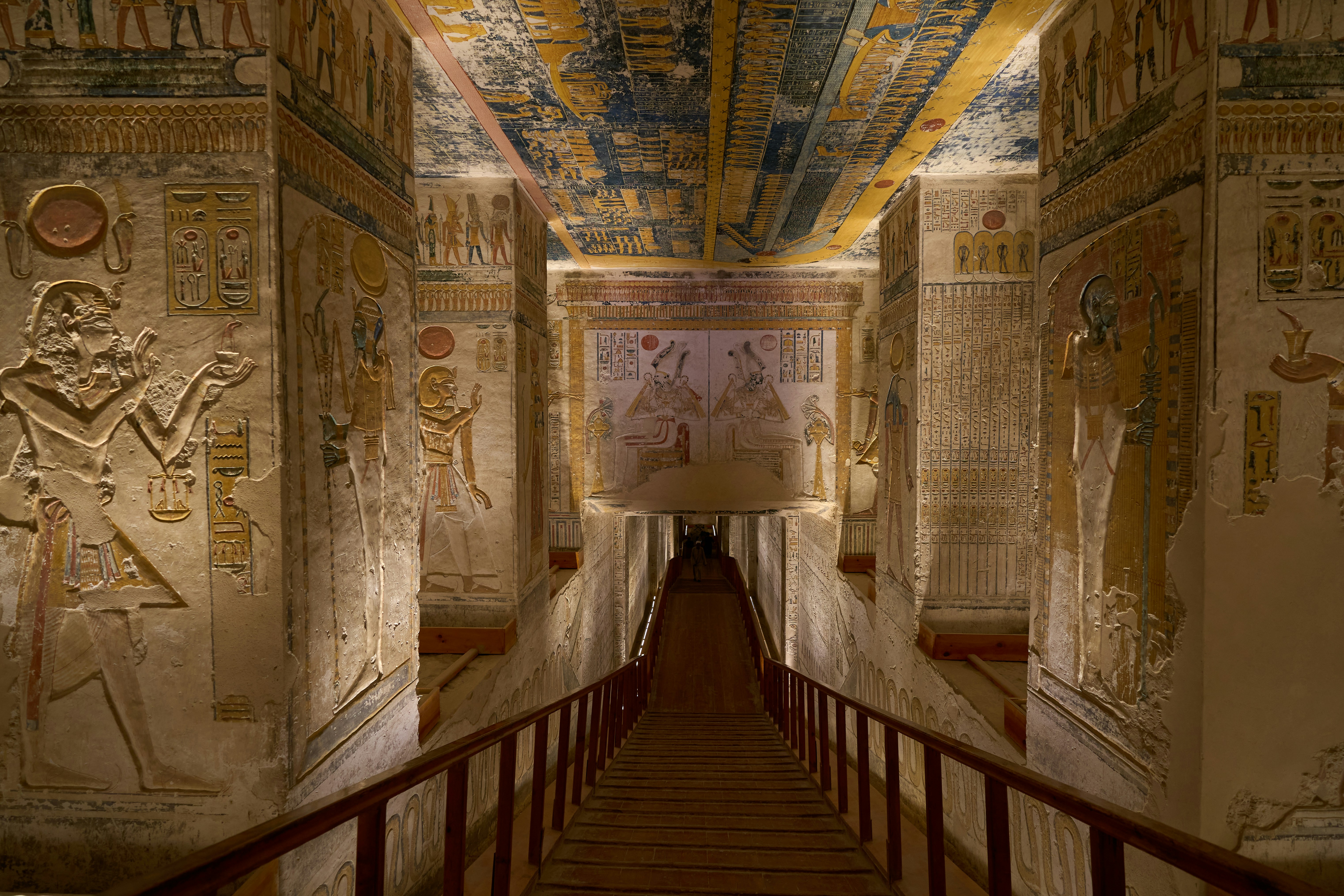
The sheer beauty and preservation of Dendera Temple are what hit you first. Unlike many other ancient sites that have suffered the ravages of time and conquest, Dendera stands almost as if it were built yesterday. This is largely thanks to its unique location, buried for centuries under sand, which acted as a protective blanket. The complex is dedicated to Hathor, one of the most important deities in the ancient Egyptian pantheon. She was revered as the mother of the pharaoh, the goddess of joy, love, motherhood, and music. Her imagery is everywhere, from the serene faces carved into the columns to the sistrum (a sacred rattle) held in many depictions.
Walking into the main temple, you're immediately struck by the hypostyle hall. Its massive columns are adorned with intricate reliefs, and looking up at the ceiling, you’ll find some of the most stunning astronomical depictions in Egypt. This isn't just decoration; these are celestial maps, showing the zodiac and the movements of the stars and planets. The ancient Egyptians were incredible astronomers, and Dendera is a prime example of their sophisticated understanding of the cosmos. It’s a reminder that these temples were not just places of worship but also centers of learning and cosmic observation.
One of the most fascinating aspects of Dendera is the roof terrace. Accessible via a winding staircase, it offers a breathtaking panoramic view of the surrounding area and the Nile. Here, you can see the *mammisi*, or birth house, a structure where the divine birth of the pharaoh was celebrated. It’s a powerful symbol of royal legitimacy and the connection between the pharaoh and the gods. The feeling of being on that roof, under the vast Egyptian sky, is something truly special. It’s a moment where you can almost hear the echoes of ancient priests performing their rituals, observing the stars, and honoring Hathor.
────────────────A Deep Dive into Dendera's History and Significance
The history of Dendera stretches back to the Old Kingdom, but the Ptolemaic and Roman periods saw the construction of the magnificent temple complex we see today. This means that while it’s dedicated to an ancient Egyptian goddess, the architecture and much of the style reflect the Greco-Roman influence that dominated Egypt after Alexander the Great's conquest. This blend of cultures is visible in the temple's design, its reliefs, and even the names of some of the deities. For instance, Hathor was often equated with the Greek goddess Aphrodite.
The temple we explore today was largely built during the reign of Ptolemy XII Auletes (father of Cleopatra VII) and completed by the Roman Emperor Tiberius. Imagine the dedication and resources poured into such a monumental project, spanning centuries and different ruling dynasties. This continuity is a testament to the enduring power and importance of Hathor and the religious traditions she represented. It’s a living connection to the past, a narrative etched in stone that tells a story of faith, power, and cultural exchange.
The temple is also famous for its crypts. These underground chambers contain beautifully preserved reliefs and inscriptions that were once hidden from view. They were believed to hold sacred objects and texts related to temple rituals. Exploring these crypts gives you a glimpse into the inner workings of the ancient priesthood and the mysteries they guarded. It’s a reminder that what we see on the surface is often just a fraction of the profound symbolism and ritual that took place within these sacred walls. For anyone interested in Egypt history tours, understanding this layered history is crucial.
The UNESCO World Heritage Centre recognizes the immense historical and cultural value of sites like Dendera. While the main temple is the star, the complex also includes other structures like the Temple of the Ramanum, a sanatorium, and a sacred lake, all contributing to its significance as a religious and healing center. The sheer scale and detail of the craftsmanship are astonishing, reflecting a deep understanding of architecture, art, and theology.
────────────────Experiencing Dendera Today: What to Expect
The journey to Dendera is part of the adventure. It’s usually visited as a day trip from Luxor, making it an ideal addition to a Luxor tours itinerary. The drive itself offers glimpses of rural Egyptian life along the Nile, a stark contrast to the grandeur of the temples. I always advise my guests to wear comfortable shoes because you’ll be doing a lot of walking and exploring, both inside the temple and on the roof terrace.
What you’ll see is a remarkably intact temple complex. The main temple is the highlight, with its imposing facade, grand hypostyle hall, and beautifully decorated chambers. The reliefs are incredibly detailed, depicting offerings, religious ceremonies, and mythological scenes. The colors, though faded in places, are still visible in some areas, giving you an idea of how vibrant the temple must have been in antiquity. The ceiling zodiacs are a major draw, and looking at them, you can't help but marvel at the ancient Egyptians' astronomical knowledge.
Don't miss the chance to climb to the roof terrace. The views are spectacular, and you can get a closer look at the architecture and the *mammisi*. It’s a great spot for photography, offering a different perspective on the temple and the surrounding landscape. The sheer scale of the temple becomes even more apparent from this vantage point. I find that many travelers are surprised by how much there is to see and appreciate at Dendera, often exceeding their expectations.
When it comes to what to wear, I always recommend modest clothing out of respect for the local culture and the sacred nature of the site. Lightweight, breathable fabrics are best, as Upper Egypt can get quite hot, especially during the summer months. Long sleeves and trousers or skirts are a good idea to protect yourself from the sun and to show respect. A wide-brimmed hat and sunglasses are also essential for comfort.
Is Dendera worth visiting? A resounding yes from me. It offers a unique window into ancient Egyptian religion and culture, showcasing a level of preservation that is rare. It’s a place that truly inspires wonder and leaves a lasting impression on everyone who walks its ancient stones. For those seeking authentic private Egypt tours that go beyond the usual, Dendera is a treasure.
────────────────Why Choose Bodda Tours for Your Egypt Adventure?
When you’re planning a trip to Egypt, especially if you want to experience its history and culture deeply, choosing the right tour operator makes all the difference. I started Bodda Tours because I saw a need for genuine, local experiences that focus on comfort, authenticity, and safety. We’re not a big corporation; we’re a team of Egyptians who love our country and want to share its magic with you.
Here’s why I believe Bodda Tours stands out:
- 100% Private Tours, Your Way: Forget crowded buses and fixed schedules. With Bodda Tours, every trip is private. This means your itinerary is flexible, your pace is your own, and your comfort is paramount. We use clean, modern, air-conditioned vehicles for door-to-door service.
- No Language Barriers, Just Connection: A key part of our service is offering Korean-speaking guides. This is a huge advantage, ensuring clear communication and a deeper understanding of the history and culture, without any language anxiety.
- Authenticity, No Scams: We’ve all heard stories about tourist traps. At Bodda Tours, we guarantee verified tours only. We pride ourselves on transparency and honesty. For instance, in places like Siwa Oasis, some operators might try to sell you fake “tuktuk safaris.” Bodda has NO tuktuk fake safaris; we only use real, professional 4x4 jeeps for desert adventures.
- Direct Service, Local Care: We are not middlemen or resellers. Bodda Tours is run by real local Egyptians who are passionate about Egypt. When you book with us, you book directly with the people providing the service. This means better quality and genuine care.
- Transparent and Fair: We believe in honest pricing. There are no commission fees, no agent markups, and no hidden charges. What you agree on is what you get.
- Real Reviews, Real Experiences: We're happy to share recent guest reviews. Hearing from travelers who have experienced our tours firsthand is the best way to understand our commitment to quality.
- Customization is Key: Whether you're a photography enthusiast, a foodie, a history buff, or just want to take things slow, we can tailor your itinerary to your specific interests and pace.
- Making it Right: If anything unexpected happens or there’s a delay, our priority is to ensure your trip remains enjoyable. We are committed to making it right, which can include compensation where appropriate.
We believe that a private tour with a trusted local operator like Bodda Tours transforms a trip from good to unforgettable. It’s about experiencing Egypt not just as a tourist, but as a welcomed guest.
────────────────Planning Your Visit to Dendera Temple
When planning your private Egypt tours, especially for a destination like Dendera, timing is everything. The best time to visit Dendera Temple is generally between October and April. During these months, the weather is cooler and more pleasant, making exploration comfortable. Summer months (June to August) can be extremely hot in Upper Egypt, so if you’re traveling during this period, an early morning visit is highly recommended.
How to Get There: Dendera Temple is located near the town of Dendera, about 60 kilometers north of Luxor. The most convenient way to visit is as a day trip from Luxor. Bodda Tours provides private, air-conditioned vehicles for this journey, ensuring a comfortable ride of approximately 1 to 1.5 hours each way. Other options include hiring a taxi or taking a local bus to Dendera, but these can be less comfortable and more time-consuming.
Nearby Attractions: While Dendera is a destination in itself, it pairs wonderfully with other sites in the Luxor area. If you're on a comprehensive Luxor tours package with Bodda Tours, you'll likely be visiting the Valley of the Kings, Karnak Temple, Luxor Temple, and the Colossi of Memnon. We can also arrange visits to Abydos Temple, which is another magnificent and historically significant site located north of Dendera, offering further insight into ancient Egyptian religious practices and pharaonic power.
Dendera offers a unique perspective on ancient Egyptian spirituality and artistry. Its completeness and the beauty of its reliefs make it a standout experience, especially when explored with a knowledgeable guide who can bring its stories to life. It’s a place that truly captures the imagination and leaves you with a profound appreciation for the wonders of ancient Egypt.
Ready to Explore Dendera and More? Contact Bodda Tours Today
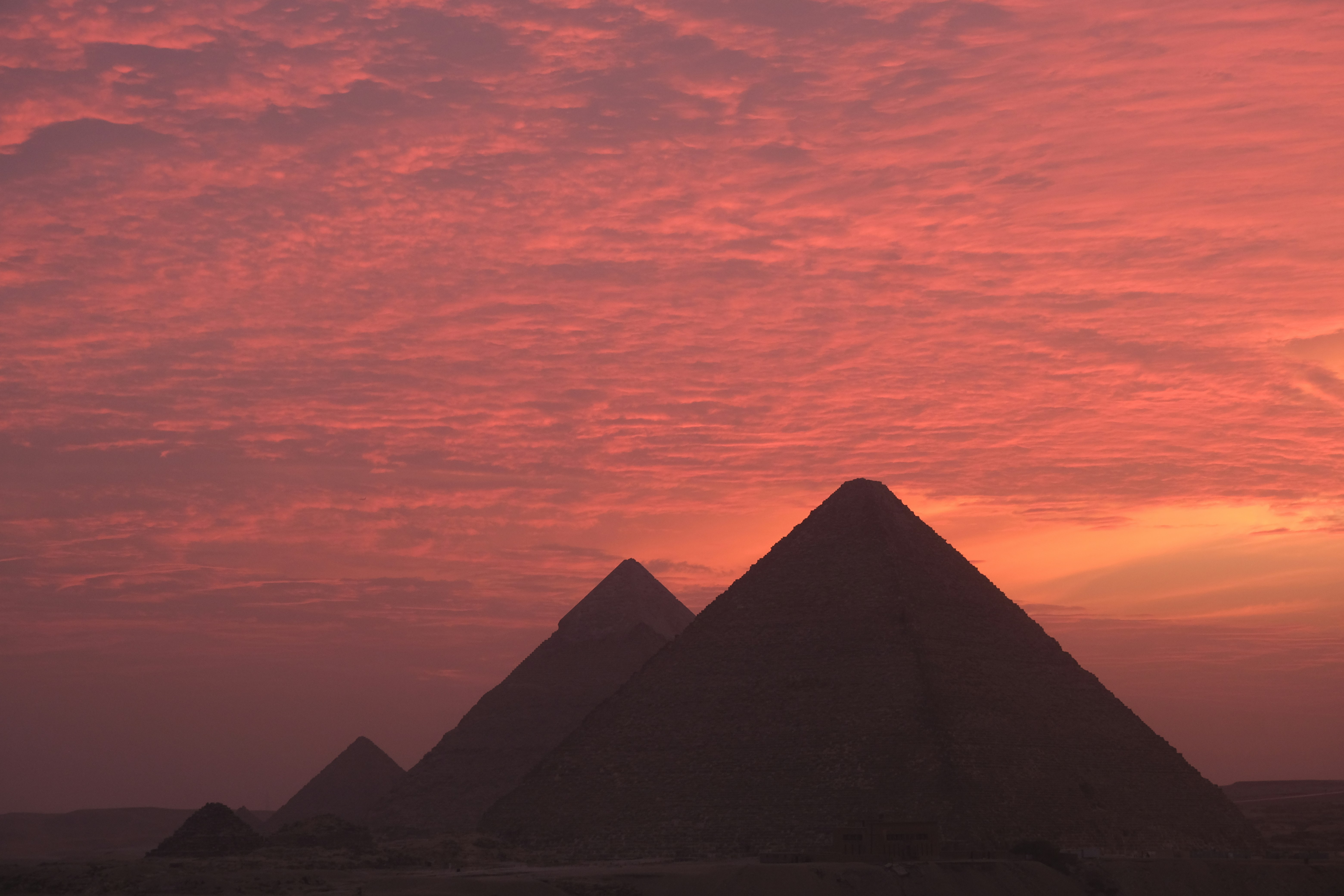
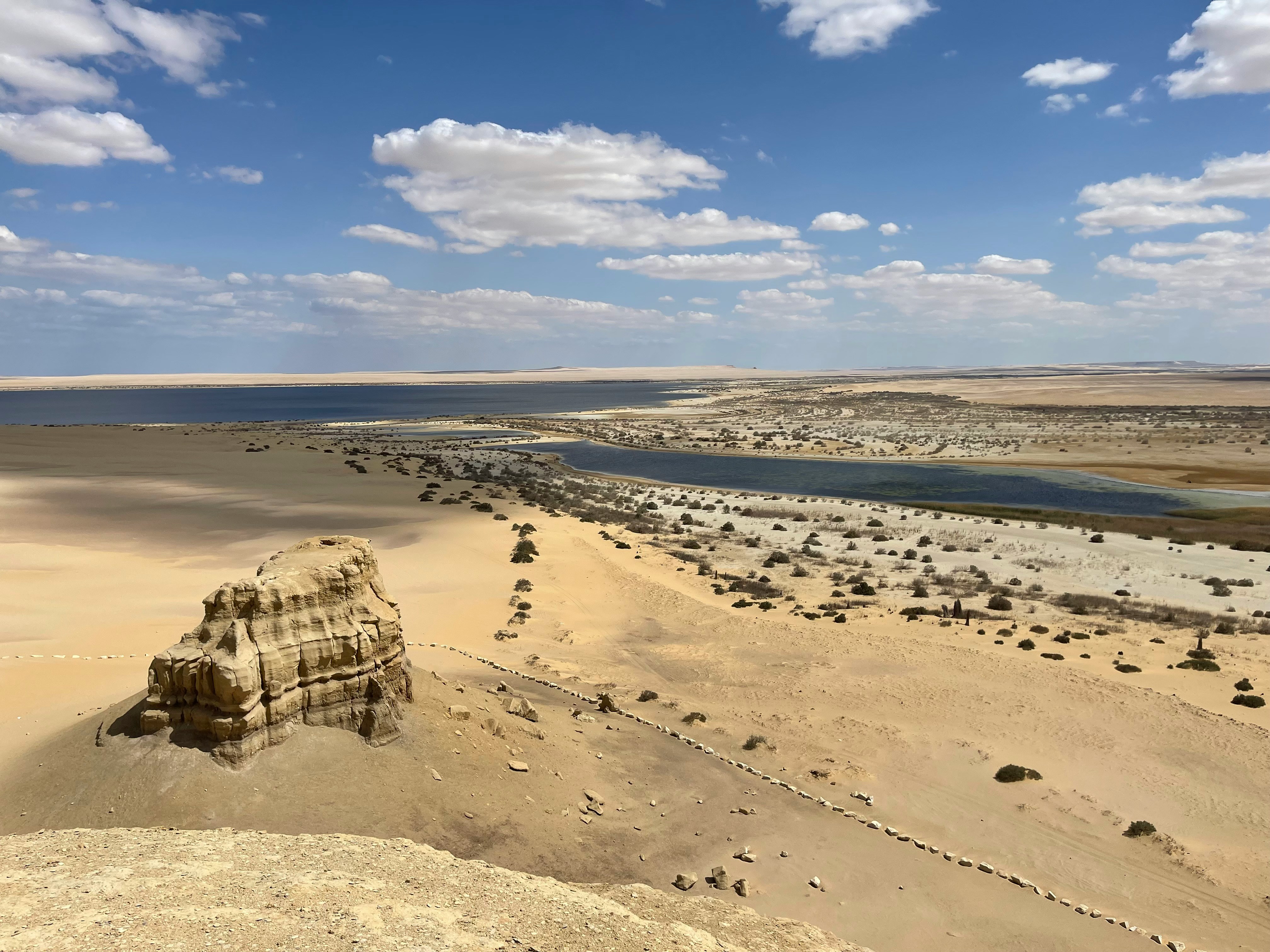
Whether you dream of exploring the celestial ceilings of Dendera, the desert landscapes of Siwa Oasis, the ancient wonders of Fayoum Oasis, or the iconic Pyramids of Giza, Bodda Tours is here to craft your perfect Egyptian adventure. We pride ourselves on offering authentic, comfortable, and unforgettable private tours with a personal touch. Reach out to us anytime between 07:00-22:00 daily, and let's start planning your journey into the heart of Egypt.
- WhatsApp: wa.me/201040541153
- KakaoTalk: open.kakao.com/o/smU92Hfi
- Email: info@boddatours.me
- Website: boddatours.me
Sources & References
- Egyptian Ministry of Tourism and Antiquities official website (general information on Egyptian heritage sites).
- UNESCO World Heritage Centre - Tentative Lists: Dendera. (Information on the historical and cultural significance of the site).
- Wikipedia - Dendera Temple Complex. (For historical background and architectural details).