![[2026 Egypt Tours] Deir el-Medina History (Valley of the Kings Village)](https://boddatours.me/images/fallback-post.png)
Deir el-Medina: The Village of Tomb Builders
Imagine a place where ordinary people, not pharaohs, built extraordinary tombs. That’s Deir el-Medina. It’s a feeling of stepping into a forgotten world, a community that was crucial yet often overlooked. I've always been captivated by this place, not just for its history, but for the very human stories it holds. This isn't just another ancient site; it's a window into the lives of the skilled artisans who literally carved out eternity for Egypt's greatest rulers.
For many travelers exploring the wonders of Luxor, the focus is rightly on the grand temples and magnificent tombs of the pharaohs. But tucked away on the west bank of the Nile, just a stone's throw from the iconic Valley of the Kings, lies Deir el-Medina, a UNESCO World Heritage site that offers a unique and deeply personal perspective on ancient Egyptian life. This was the village where the artists, craftsmen, and laborers lived, the very people responsible for creating the breathtaking masterpieces that draw millions to Luxor each year. Visiting Deir el-Medina feels different. It’s more intimate. You walk through the remains of their homes, see their personal tombs, and get a sense of their daily routines, their hopes, and their challenges. It's a powerful reminder that history isn't just made by kings and queens; it's built by the hands of everyday people.
My first visit to Deir el-Medina was a revelation. I'd seen the grandiosity of Karnak and the awe-inspiring scale of the Valley of the Kings, but here, I felt a connection. I could almost hear the chatter of families, the hammering of chisels, the laughter of children. It’s a place that grounds the epic narratives of ancient Egypt in the reality of human existence. If you’re looking for a truly special experience that goes beyond the usual tourist trail, Deir el-Medina is an absolute must. It adds a layer of understanding to your Egypt trip that you won't find anywhere else. It’s a testament to the fact that even the most magnificent achievements are the result of dedicated, collective human effort.
────────────────The Lives of the Tomb Builders
What was it *really* like to live in ancient Egypt, not as a pharaoh, but as one of the skilled hands that built their eternal resting places?
Deir el-Medina, meaning "Monastery of the City" in Arabic, was originally known as Set Maat, "The Place of Truth," a name that reflects the importance of order and justice in their society. This purpose-built village, inhabited from the New Kingdom (around 1550 BCE) until the reign of Ramesses XI (around 1070 BCE), was home to the elite craftsmen, artists, scribes, and laborers who worked on the royal tombs in the Valley of the Kings and the Valley of the Queens. These weren't just casual workers; they were highly skilled professionals, organized and protected, and their village was a self-contained community with its own administration, even a police force.
The archaeological remains of Deir el-Medina offer an unparalleled glimpse into the domestic lives of these ancient Egyptians. The village was laid out in a grid pattern, with rows of mud-brick houses. While many have eroded over millennia, archaeologists have managed to reconstruct the layout and even furnish some of them with replica artifacts, giving visitors a vivid sense of how people lived. The houses typically had three to four rooms, including a main living area, bedrooms, and a kitchen. Some also had small courtyards. Imagine waking up here, the sun rising over the Theban hills, knowing your work would contribute to the eternal glory of Egypt.
Life wasn't all work, though. Evidence from Deir el-Medina suggests a vibrant social life. There were taverns, bakeries, and even a chapel dedicated to various deities. The tomb paintings and reliefs found within the village's own tombs are particularly revealing. Unlike the grand, formal art of the royal tombs, the art in the tombs of Deir el-Medina often depicts scenes of daily life, family gatherings, and religious devotion, offering a more personal and relatable view of their beliefs and customs. I find these personal touches incredibly moving. They show us that the people who built these monumental structures were just that: people, with lives, families, and emotions.
The village was strategically located and well-guarded to protect the secrets of the royal tombs and prevent theft. The workers were provided with rations of bread, beer, and other necessities, and their contributions were vital to the pharaohs' quests for immortality. It’s a remarkable testament to the sophisticated organization and social structure of ancient Egypt that such a dedicated workforce could be sustained for centuries. When you’re walking through the remains of their homes, you're walking in the footsteps of the people who literally brought the afterlife into being for Egypt's most powerful rulers.
────────────────The Tombs of Deir el-Medina: A Personal Legacy
Their own final resting places reveal more about their lives than any royal decree.
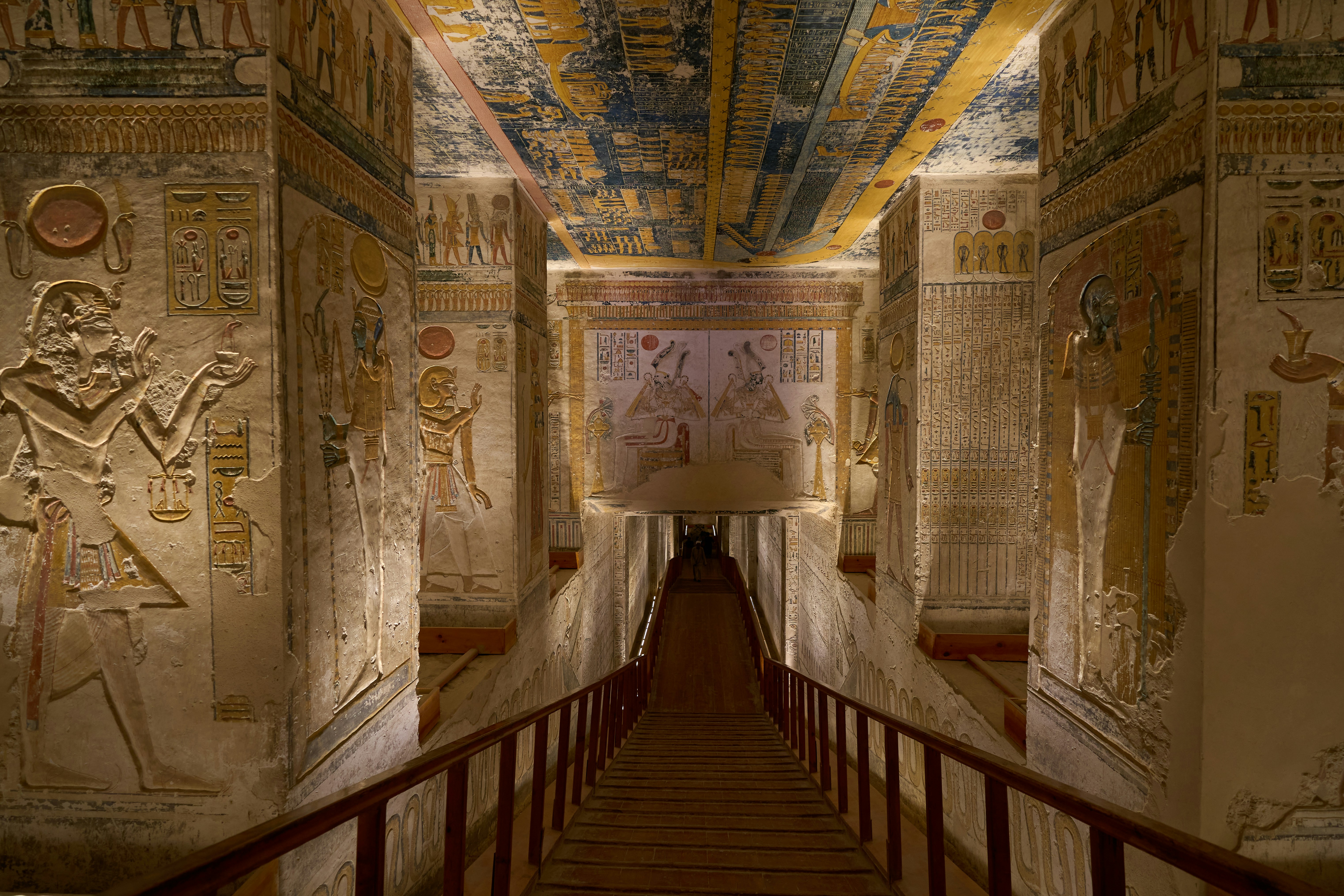
While the pharaohs were buried in the opulent tombs of the Valley of the Kings, the artisans of Deir el-Medina were also granted the privilege of having their own tombs within the village necropolis. These tombs, though smaller and less ostentatious than those of the royalty, are incredibly rich in detail and offer invaluable insights into their beliefs about the afterlife and their social standing. The quality of the decoration in some of these tombs rivals that found in royal burials, showcasing the immense skill and pride these craftsmen took in their work, even in death.
One of the most famous tombs is that of Sennedjem, a servant in the Place of Truth during the reign of Ramesses II. His tomb is remarkably well-preserved, with vibrant paintings depicting scenes of Sennedjem and his wife, Ly, worshipping deities, participating in funerary rituals, and enjoying the afterlife. The colors are still incredibly vivid, and the detail in the depictions of clothing, jewelry, and even food is astounding. It truly feels like stepping into a vibrant painted world, a testament to their belief in the continuity of life beyond death.
Another significant tomb is that of Inherkhau, a foreman who lived during the reign of Ramesses IV. His tomb is notable for its depictions of his daily activities, including supervising work, offering sacrifices, and receiving visitors. These scenes provide a detailed record of his responsibilities and social interactions. The tomb walls are covered in hieroglyphic inscriptions that detail his life and career, offering a personal narrative that is often missing from the grander, more impersonal inscriptions in royal tombs. It’s these personal narratives that truly bring history to life for me.
The presence of these elaborate tombs within Deir el-Medina underscores the high status and respect accorded to these skilled laborers. They were not mere laborers; they were valued members of society whose contributions were recognized as essential. The quality of their own burials reflects their pride in their profession and their deep-seated religious beliefs. Visiting these tombs is a profound experience, offering a tangible connection to the individuals who shaped the visual landscape of ancient Egypt. It’s a reminder that beneath the monumental achievements, there were always people, with their own lives, dreams, and hopes for eternity. The artistry in their own tombs is a powerful statement of their identity and their legacy.
��───────────────Historical Context: The New Kingdom's Golden Age
Understanding Deir el-Medina means understanding the era it flourished in.
Deir el-Medina was at its peak during the New Kingdom (circa 1550–1070 BCE), a period often considered the golden age of ancient Egypt. This era witnessed Egypt's greatest territorial expansion, immense prosperity, and the construction of some of its most iconic monuments, including the temples at Karnak and Luxor, and the elaborate tombs in the Valley of the Kings. The pharaohs of the New Kingdom, such as Hatshepsut, Thutmose III, Akhenaten, Tutankhamun, and Ramesses the Great, were powerful rulers who commanded vast resources and armies.
It was during this period that the practice of burying pharaohs in elaborate rock-cut tombs in the Theban Necropolis became standard. This shift from pyramid burials to hidden tombs in the Valley of the Kings was a response to rampant tomb robbing in earlier periods. The security of these tombs became paramount, leading to the establishment of a dedicated and highly organized workforce at Deir el-Medina. The very existence of this organized village highlights the sophisticated state administration and economic power of the New Kingdom.
The theological and artistic developments of the New Kingdom also played a crucial role. The focus on the afterlife and the elaborate preparations for it, driven by the pharaohs' desire for eternal life and divine power, created a demand for the exceptional artistry and craftsmanship that the workers of Deir el-Medina provided. The religious beliefs of the time, centered on deities like Amun-Ra, Osiris, and Isis, permeated every aspect of life and death, and were vividly expressed in the art and architecture of the period.
The decline of the New Kingdom and the subsequent Third Intermediate Period saw a gradual erosion of central authority. This affected Deir el-Medina too, with evidence of strikes, increased tomb robbing, and eventual abandonment of the site. However, the legacy of the New Kingdom, and the vital role played by the people of Deir el-Medina, continues to resonate. Their work laid the foundation for our understanding of ancient Egyptian civilization, and their village offers a unique, human-scale perspective on this magnificent era. It’s a period where Egypt reached its zenith, and the artisans of Deir el-Medina were the silent, indispensable architects of that glory.
────────────────Visiting Deir el-Medina: Practical Tips
Thinking of making the journey? Here’s what you need to know.
Getting There: Deir el-Medina is located on the West Bank of Luxor, a short distance from the Valley of the Kings. The best way to visit is as part of a guided tour, which can arrange comfortable, air-conditioned transport from your hotel in Luxor. I highly recommend a private tour to truly absorb the details and history without the rush of a large group. You can also hire a taxi or take a local ferry across the Nile and then a taxi to the site.
Best Time to Visit: The best time to visit Luxor, and therefore Deir el-Medina, is during the cooler months, from October to April. The summer months (May to September) can be extremely hot, especially during the day. Visiting early in the morning or late in the afternoon can help you avoid the peak heat and crowds. I always advise my guests to try and visit as early as possible to truly appreciate the atmosphere.
What to Wear: Given the climate and the historical significance of the site, it’s important to dress respectfully and practically. Light, breathable clothing made of natural fabrics like cotton or linen is ideal. Long sleeves and pants can protect you from the sun. Comfortable walking shoes are essential as you'll be walking on uneven terrain. A hat and sunglasses are also highly recommended. Remember that this is a place of historical and archaeological importance, so modest attire is appreciated.
What to Expect: The site includes the remains of the village houses and several beautifully decorated tombs, including Sennedjem's and Inherkhau's. You'll need a separate ticket to enter the tombs of Deir el-Medina. The site is not as vast as some other archaeological areas, allowing for a focused and immersive experience. Allow at least 1-2 hours to explore properly, especially if you have a good guide to bring the stories to life.
Is it Worth Visiting? Absolutely. If you have an interest in ancient Egyptian history, art, and the daily lives of its people, Deir el-Medina is an unmissable experience. It offers a unique perspective that complements the grandeur of the royal tombs and temples, providing a more intimate and human connection to this incredible civilization. For travelers seeking deeper insights beyond the iconic landmarks, this is precisely the kind of hidden gem that makes an Egypt tour truly unforgettable.
────────────────Why Choose Bodda Tours for Your Egypt Adventure?
When you decide to explore the wonders of Egypt, you want an experience that is as authentic and seamless as possible. That's where I, Bodda, and Bodda Tours come in. We’re not a faceless corporation; we’re a team of passionate locals dedicated to showing you the real Egypt.
- 100% Private Tours: Forget crowded buses and fixed schedules. With Bodda Tours, every trip is private, tailored to your pace and interests. Enjoy the comfort of modern, air-conditioned vehicles and personalized door-to-door service.
- Korean-Speaking Local Guides: Communication is key. Our guides are fluent in Korean, ensuring clear understanding and a stress-free experience. They’re not just guides; they’re friends who share their deep knowledge and love for Egypt.
- No Scams, No Tricks: We pride ourselves on transparency. All our tours are verified, and we operate with honesty. You’ll never encounter hidden fees or commissions. What you agree on is what you get.
- Authentic Desert Experiences: If you're dreaming of a desert safari, especially in places like Siwa Oasis, be wary of fake tuktuk safaris. Bodda Tours only uses professional 4x4 jeeps with experienced drivers for genuine desert adventures.
- Direct Service, Local Expertise: I run Bodda Tours myself, and we are actual Egyptians who know and love our country. We aren't resellers or middlemen. You’re booking directly with the people who deliver the service, ensuring a personal touch and genuine care.
- Customizable Itineraries: Whether you're a photography enthusiast, a foodie, a history buff, or just want to take it all in at your own speed, we can create a custom itinerary just for you.
- Real Traveler Reviews: Don't just take my word for it. We're happy to share recent guest reviews so you can see the experiences others have had with us.
- Peace of Mind: If anything unexpected happens or a delay occurs, we are committed to making it right, often providing compensation. Your satisfaction is our priority.
Ready to Discover the Secrets of Deir el-Medina and More?
Let me help you craft an unforgettable journey through Egypt. Whether you're drawn to the ancient villages of tomb builders, the majestic pyramids, or the tranquil desert oases, Bodda Tours is your personal connection to the heart of Egypt. Reach out to me anytime between 07:00 and 22:00 daily to start planning your adventure.
- WhatsApp: wa.me/201040541153
- KakaoTalk: open.kakao.com/o/smU92Hfi
- Email: info@boddatours.me
- Website: boddatours.me
Sources & References
- UNESCO World Heritage Centre. (n.d.). *Ancient Thebes with its Necropolis*. Retrieved from [https://whc.unesco.org/en/list/87/](https://whc.unesco.org/en/list/87/)
- Bierbrier, M. L. (2008). *The Tomb Builders of the Pharaohs*. American University in Cairo Press.
- Wilfong, T. (2008). *Life, Death, and Afterlife in Ancient Egypt*. University of Michigan Press.