![[2026 Egypt Tours] Abydos & Royal Tombs (Sacred City of Osiris)](https://boddatours.me/images/fallback-post.png)
Abydos: Where Osiris Reigns Supreme
Imagine standing in a place so steeped in ancient belief that the very air hums with millennia of devotion. That's Abydos for you. It’s not just a historical site; it feels like stepping into the heart of ancient Egyptian spirituality, a place where the god Osiris was worshipped above all others. It’s a feeling that stays with you, a quiet awe that’s hard to describe but impossible to forget.
────────────────Understanding Abydos: Egypt's Sacred Necropolis
When people think of ancient Egypt, they often picture the pyramids of Giza or the temples of Luxor and Aswan. But Abydos holds a special, almost mystical place in Egyptian history. For thousands of years, it was the paramount site for the cult of Osiris, the god of the afterlife, the underworld, and rebirth. This wasn't just a minor deity; Osiris was central to the Egyptian understanding of existence and what comes after. Pilgrims from all over Egypt would journey to Abydos to pay homage, seeking blessings for their own passage into the afterlife. It was believed that to be buried in Abydos was to be close to Osiris himself, ensuring a favorable judgment and eternal life.
The history of Abydos stretches back to the earliest dynasties, making it one of the oldest religious and burial sites in Egypt. During the Early Dynastic Period (circa 3100–2686 BCE), Abydos was the royal burial ground for the first pharaohs. These early tombs, known as the U-series tombs, are some of the most important archaeological finds for understanding the very beginnings of unified Egypt. Pharaohs like Narmer, often credited with unifying Upper and Lower Egypt, were likely buried here. This connection to the dawn of Egyptian civilization gives Abydos an incredible depth of historical significance. It’s a direct link to the individuals who shaped the very foundation of this ancient empire.
Later, during the Middle Kingdom (circa 2055–1650 BCE) and the New Kingdom (circa 1550–1070 BCE), Abydos became an even more significant pilgrimage destination. The cult of Osiris flourished, and magnificent temples were built to honor him. The most famous of these is the Temple of Seti I, a breathtaking structure that has survived remarkably well. It's a masterpiece of New Kingdom architecture and art, and it's here that you'll find some of the most important historical texts and reliefs in all of Egypt. The Abydos King List, a crucial hieroglyphic inscription detailing the names of the pharaohs from the First Dynasty to Seti I's reign, is housed within this temple. This list is invaluable to historians trying to piece together the complex lineage of Egyptian rulers.
The feeling of being in Abydos is unlike anywhere else. It’s a place where the veil between worlds feels thinner. You can almost sense the millions of footsteps that have trod these grounds over the centuries, the prayers whispered, the hopes for eternity offered. It’s a profoundly spiritual and historically rich experience, far removed from the bustling crowds of more famous sites. For anyone seeking a deeper understanding of ancient Egyptian beliefs and the foundations of their civilization, Abydos is an essential destination.
────────────────Exploring the Wonders of Abydos: Key Sites
The Temple of Seti I
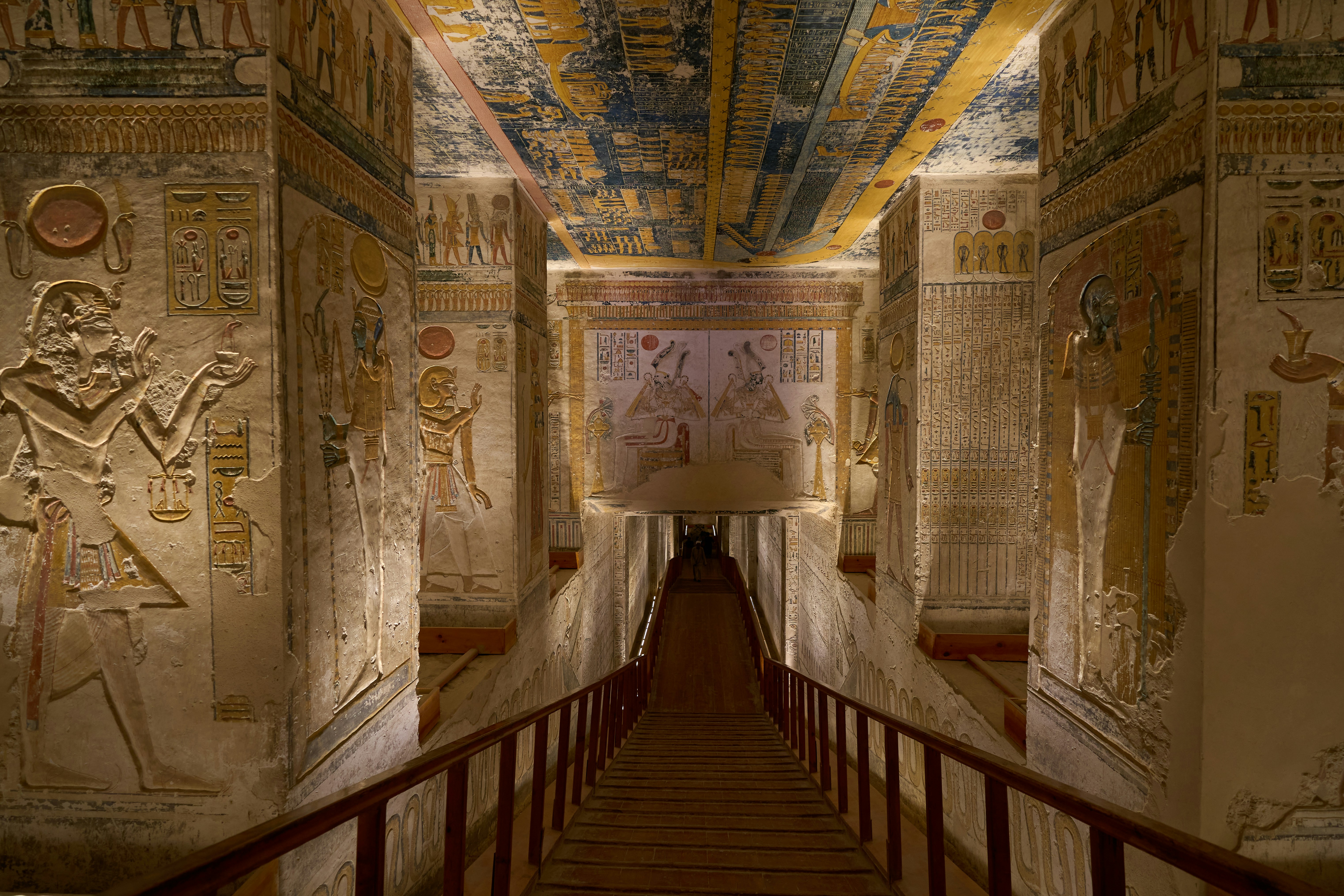
This is the crown jewel of Abydos, and honestly, it's breathtaking. Built by Seti I and completed by his son, Ramses II, this temple is one of the most beautifully preserved and artistically significant in Egypt. As you walk through its halls, you're surrounded by incredibly detailed reliefs carved into the limestone walls. These aren't just decorations; they're vibrant stories from Egyptian mythology and history. The scenes depicting Seti I making offerings to the gods, or engaging in sacred rituals, are so alive you can almost hear the ancient chants.
The famous Abydos King List is found here in the second hypostyle hall. It’s a royal cartouche sequence that lists seventy-six kings of Egypt from the First Dynasty down to Seti I. Imagine the relief and clarity this provided to later rulers who wished to connect themselves to the ancient lineage. It’s a vital piece of the puzzle for any Egyptologist. The temple also features a unique design with multiple sanctuaries dedicated to different gods, including Osiris, Isis, Horus, Amun-Ra, Ra-Horakhty, and Ptah. This shows the intricate pantheon and the importance of each deity within the state religion. The artistry, the historical records, and the sheer grandeur make the Temple of Seti I an unforgettable experience.
The Temple of Ramesses II (Adjacent to Seti I)
While Seti I's temple often steals the spotlight, the adjoining temple built by his son, Ramesses II, is also impressive. Although it's in a more ruined state, you can still appreciate its scale and the remnants of its former glory. Ramesses II, one of Egypt's most powerful and long-reigning pharaohs, added his own significant contributions, further solidifying Abydos as a major religious center. Walking between these two temples, you get a sense of the dynastic commitment to this sacred site and the continuous development of religious architecture over generations.
The Royal Tombs of the Early Dynastic Period
These are the true ancient hearts of Abydos. Located in an area known as Umm el-Qa'ab, these tombs date back to the very beginning of Egyptian history. Think about it: these are the final resting places of the rulers who founded the Egyptian state. Pharaohs like Aha, Djer, Djet, and Merneith are believed to be buried here. These structures are vastly different from the later pyramids. They are more like large, rectangular mastabas, built with mudbrick and containing multiple chambers. Excavations here have unearthed incredible artifacts that provide invaluable insights into the funerary practices, social structure, and early writing systems of the First Dynasty.
Visiting these tombs offers a profound connection to the absolute genesis of pharaonic civilization. It's a raw, foundational experience. While they may not have the immediate visual impact of later monumental architecture, their historical weight is immeasurable. They represent the very roots of Egyptian kingship and the enduring legacy of this ancient land.
The Osireion
Adjacent to Seti I's temple, the Osireion is a mysterious and significant structure. It's a large, underground tomb complex, thought to be a symbolic representation of Osiris's tomb. Its construction is massive, with huge stone blocks and a central burial chamber. The reliefs found here often depict scenes related to Osiris and his resurrection. The Osireion's exact purpose is still debated among archaeologists, but its connection to the cult of Osiris and the afterlife is undeniable. It adds another layer of intrigue and spiritual depth to the Abydos complex, making it a place of continuous fascination.
────────────────The Spiritual Significance of Abydos for Ancient Egyptians
To understand Abydos, you have to understand the Egyptian concept of the afterlife. For them, death wasn't an end but a transition. Osiris, murdered by his brother Set and then resurrected by his wife Isis, became the ultimate symbol of this transition. His story offered hope and a blueprint for eternal life. Abydos was the earthly embodiment of this divine promise.
Pilgrimage to Abydos was a central part of this belief system. It was believed that by visiting Abydos and participating in rituals there, one could gain favor with Osiris, ensuring a smooth journey through the underworld and a successful rebirth. The 'Festival of Khoiak' was a particularly important period, involving elaborate ceremonies and the creation of 'Osiris beds' – molds filled with fertile soil and seeds, which would sprout, symbolizing resurrection. The sheer number of stelae (inscribed stone slabs) found at Abydos, erected by individuals and families seeking blessings, testifies to the immense personal importance of this site.
Even for those who couldn't make the journey themselves, dedicating a stela or an offering at Abydos ensured their name would be remembered and their spiritual needs met. It was a way to connect with the divine power of Osiris from afar. The ancient Egyptians believed that the tomb was not just a burial place but a house for eternity, and the tomb at Abydos was considered the most auspicious place to be. This profound belief system fueled the development of Abydos into the magnificent religious center it became, drawing devotion for over three millennia.
────────────────Planning Your Visit to Abydos
Best Time to Visit
Like much of Egypt, the best time to visit Abydos is during the cooler months, typically from October to April. The desert sun can be intense, especially during the summer months of June, July, and August. During these warmer months, early morning or late afternoon visits are highly recommended to avoid the peak heat. The shoulder seasons of spring (April-May) and autumn (September-October) offer a pleasant balance of good weather and fewer crowds.
How to Get to Abydos
Abydos is located in Upper Egypt, not far from the modern city of Sohag. While it's not as easily accessible as Cairo or Luxor, it's definitely worth the journey for those interested in ancient Egyptian history and spirituality. The most common way to visit is as part of a longer tour itinerary, often combined with visits to Luxor and Aswan.
From Cairo: There are several options. You can take an overnight train from Cairo to Sohag, which takes around 10-12 hours. Alternatively, you can fly from Cairo to Sohag (SOH) or Luxor (LXR), followed by a road transfer. Flights to Sohag are less frequent than to Luxor. From Sohag or Luxor, a private car or taxi is the most convenient way to reach Abydos, which is about an hour's drive from Sohag and a little longer from Luxor.
From Luxor: This is the most popular starting point. A private car or taxi can take you to Abydos, making it feasible as a long day trip from Luxor, though an overnight stay in the area or combining it with a multi-day tour offers a more relaxed experience. Many travelers opt for a private tour that includes transportation from their Luxor hotel.
Private Tour Advantage: This is where a private tour really shines. Instead of navigating public transport or relying on fragmented taxi services, a private tour handles all the logistics. You get comfortable, air-conditioned transport directly from your accommodation, with a driver who knows the way and can wait for you at each site. This door-to-door service makes a significant difference in comfort and efficiency, especially in the Egyptian heat.
What to Expect at Abydos
The site of Abydos is spread out, with the main attractions being the temples of Seti I and Ramesses II, along with the Osireion and the Umm el-Qa'ab necropolis. You'll walk through ancient courtyards, pillared halls, and tomb complexes. The detailed carvings and hieroglyphs are the main focus, so be prepared to spend time admiring the artistry and deciphering (with a guide!) the stories told on the walls.
It's a place that rewards a slower pace. Unlike some busier sites, Abydos offers a sense of tranquility and allows for personal reflection. You’ll likely encounter fewer tourists than at Giza or Karnak, giving you a more intimate experience with the ancient world. The desert landscape surrounding Abydos adds to its remote and sacred atmosphere.
What to Wear
Given the religious significance of Abydos and the conservative nature of some surrounding communities, it's always best to dress respectfully. Lightweight, loose-fitting clothing that covers your shoulders and knees is recommended. Think long trousers or skirts, and shirts with sleeves. Comfortable walking shoes are essential, as you'll be doing a lot of walking on uneven surfaces. A hat and sunglasses are also crucial for protecting yourself from the strong Egyptian sun.
────────────────Is Abydos Worth Visiting?
Absolutely, yes. If you have a deep interest in ancient Egyptian history, religion, and art, Abydos is a must-see. It offers a unique glimpse into the foundations of Egyptian civilization and the profound beliefs surrounding life, death, and the divine. It’s a place that provides context and depth to the more famous sites, revealing the spiritual heart of ancient Egypt. For travelers seeking a less crowded, more profound historical and spiritual experience, Abydos is incredibly rewarding.
────────────────Why Choose Bodda Tours for Your Egypt Adventure?
When you decide to explore the incredible history and wonders of Egypt, especially a profound site like Abydos, you want someone local, someone who truly understands the land and its stories. That's where I come in with Bodda Tours.
- 100% Private Tours: Forget crowded buses and fixed schedules. With Bodda Tours, it's just you, your travel companions, and the ancient wonders. We provide private air-conditioned modern vehicles and door-to-door service, ensuring your comfort and flexibility.
- Real Local Expertise: I'm Bodda, and I've lived in Cairo my whole life. Bodda Tours is run by Egyptians who genuinely care about sharing our heritage. We are not a reseller or a middleman; you book directly with the people providing the service. This means authentic insights and a genuine connection to the culture.
- Korean-Speaking Guides: For many of my clients, especially those from Korea, language can be a concern. Bodda Tours offers Korean-speaking local guides, ensuring clear communication and a deeper understanding of the historical and cultural nuances. No language anxiety, just pure exploration.
- No Scams, No Tricks: This is super important. We are committed to verified tours only and transparent service. You won't find any hidden fees or unexpected charges with us. We believe in honest pricing and genuine experiences.
- No Tuktuk Fake Safaris: Especially in places like Siwa Oasis, some operators try to pass off short, unfulfilling tuktuk rides as 'safaris'. Bodda Tours uses real 4x4 jeeps with professional drivers for any desert excursions, ensuring a safe and authentic adventure. We believe in quality and honesty.
- Custom Itineraries: Your trip should be about what *you* want to see and do. Whether you're passionate about photography, want to explore local cuisine, or need time for shopping, we can customize your itinerary to fit your pace and interests.
- Peace of Mind: We understand that travel can sometimes have unexpected moments. If anything goes wrong or is delayed during your tour, we are committed to making it right or providing compensation. Your satisfaction and peace of mind are our top priorities.
- Direct Booking, Direct Service: When you book with Bodda Tours, you're booking directly with me and my team. This means no commission fees, no agent markups, and a direct line of communication for any questions or needs.
We offer a range of tours that can bring you face-to-face with Egypt's most incredible sites. Imagine a private Siwa Oasis tour from Cairo, exploring its unique desert landscapes, or a fascinating Fayoum Oasis day tour from Cairo, including the Valley of the Whales. If ancient wonders are your passion, our private Cairo & Giza tours, Saqqara & Dahshur tours, and comprehensive Luxor & Aswan tours are designed to immerse you in history. We can even craft multi-city Egypt packages combining the best of these experiences.
I’m personally invested in making sure your trip is not just a vacation, but a profound journey. Let's create something unforgettable together.
────────────────Ready to Explore Abydos and Beyond? Contact Bodda Tours Today
Whether you dream of the sacred city of Abydos, the otherworldly landscapes of Siwa Oasis, the ancient wonders of Giza, or the vibrant history of Luxor and Aswan, Bodda Tours is here to make it happen. Reach out anytime between 07:00-22:00 daily, and let's start planning your personalized Egyptian adventure.
- WhatsApp: wa.me/201040541153
- KakaoTalk: open.kakao.com/o/smU92Hfi
- Email: info@boddatours.me
- Website: boddatours.me
Sources & References
- Egyptian Ministry of Tourism and Antiquities Official Website. (n.d.). *Abydos*.
- UNESCO World Heritage Centre. (n.d.). *Ancient Thebes with its Necropolis*. (While Abydos is not listed separately as a standalone UNESCO site, it's intrinsically linked to the broader context of Pharaonic heritage in Upper Egypt).
- Wilkinson, R. H. (2003). *The Complete Gods and Goddesses of Ancient Egypt*. Thames & Hudson.
- Wikipedia. (n.d.). *Abydos, Egypt*.
Hey, thanks for reading! I hope this gives you a real feel for Abydos. It’s a special place, and I’d be honored to show you around if you decide to visit. Just reach out anytime!
Warmly, Bodda

![[2026 Egypt Tours] Siwa Oasis Honest Review (Desert Safari & History)](https://boddatours.me/images/hq/siwa-salt-lake-hq.jpg)
![[2026 Egypt Tours] Cairo Cafes & Mint Tea (Local Experience)](https://boddatours.me/images/hq/moez-st-hq.jpg)